LEADER 02175nam a22005415i 4500
001 827943
003 TR_AnAIT
005 20260131062300
007 cr nn 008mamaa
008 151114s2013 xxk| s |||| 0|eng d
020 |a9781137003904|9978-1-137-00390-4
024 7 |a10.1057/9781137003904|2doi
041 |aeng
049 |aTürk Tarih Kurumu Kütüphanesi
050 4|aHQ1190-1194
072 7|aJFFK|2bicssc
072 7|aSOC010000|2bisacsh
072 7|aJBSF11|2thema
082 04|a305.4201|223
090 |aDK/29043
100 1 |aHay, C.|eauthor.|4aut|4http://id.loc.gov/vocabulary/relators/aut
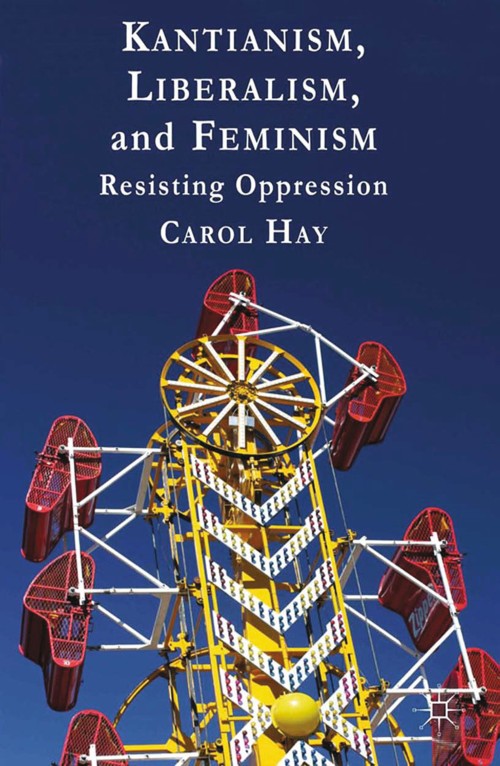
245 10|aKantianism, Liberalism, and Feminism|h[electronic resource] :|bResisting Oppression /|cby C. Hay.
250 |a1st ed. 2013.
264 1|aLondon :|bPalgrave Macmillan UK :|bImprint: Palgrave Macmillan,|c2013.
300 |aXIII, 202 p.|bonline resource.
336 |atext|btxt|2rdacontent
337 |acomputer|bc|2rdamedia
338 |aonline resource|bcr|2rdacarrier
347 |atext file|bPDF|2rda
520 |aIn this book Hay argues that the moral and political frameworks of Kantianism and liberalism are indispensable for addressing the concerns of contemporary feminism. After defending the use of these frameworks for feminist purposes, Hay uses them to argue that people who are oppressed have an obligation to themselves to resist their own oppression.
650 0|aFeminism.
650 0|aFeminist theory.
650 0|aPolitical science.
650 0|aPolitical science|xPhilosophy.
650 0|aSocial sciences|xPhilosophy.
650 0|aSex.
650 14|aFeminism and Feminist Theory.
650 24|aPolitical Theory.
650 24|aPolitical Philosophy.
650 24|aSocial Philosophy.
650 24|aGender Studies.
710 2 |aSpringerLink (Online service)
773 0 |tSpringer Nature eBook
776 08|iPrinted edition:|z9781137003898
776 08|iPrinted edition:|z9781349434442
776 08|iPrinted edition:|z9781349434459
856 40|uhttps://doi.org/10.1057/9781137003904
912 |aZDB-2-PSE
912 |aZDB-2-SXS
950 |aPalgrave Social Sciences Collection (SpringerNature-41146)
950 |aSocial Sciences (R0) (SpringerNature-43726)