LEADER 02203nam a22005535i 4500
001 828001
003 TR_AnAIT
005 20260131062024
007 cr nn 008mamaa
008 151222s2012 xxu| s |||| 0|eng d
020 |a9781137269720|9978-1-137-26972-0
024 7 |a10.1057/9781137269720|2doi
041 |aeng
049 |aTürk Tarih Kurumu Kütüphanesi
050 4|aHM706
050 4|aHM821-821.17
072 7|aJFS|2bicssc
072 7|aSOC050000|2bisacsh
072 7|aJBS|2thema
082 04|a305.5|223
090 |aDK/29101
100 1 |aWaters, T.|eauthor.|4aut|4http://id.loc.gov/vocabulary/relators/aut
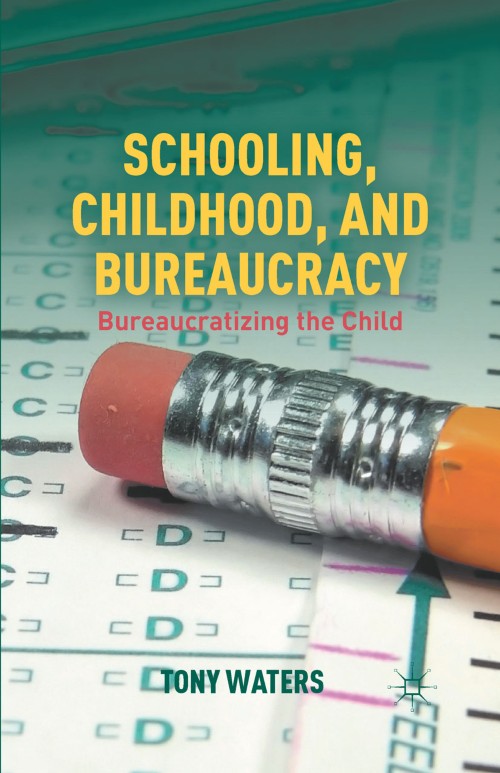
245 10|aSchooling, Childhood, and Bureaucracy|h[electronic resource] :|bBureaucratizing the Child /|cby T. Waters.
250 |a1st ed. 2012.
264 1|aNew York :|bPalgrave Macmillan US :|bImprint: Palgrave Macmillan,|c2012.
300 |aXII, 255 p.|bonline resource.
336 |atext|btxt|2rdacontent
337 |acomputer|bc|2rdamedia
338 |aonline resource|bcr|2rdacarrier
347 |atext file|bPDF|2rda
520 |aIn exploring the relationship between bureaucratic schooling and the individual child, Waters describes the persistence of educational inequality, child development, and the nature of bureaucracy. The conclusions point out how education bureaucracies frame both schooling and childhood as they relentlessly seek to create ever more perfect children.
650 0|aSocial structure.
650 0|aEquality.
650 0|aEducation and state.
650 0|aEducation.
650 0|aSociology|xMethodology.
650 0|aEducational sociology.
650 14|aSocial Structure.
650 24|aEducational Policy and Politics.
650 24|aEducation.
650 24|aSociological Methods.
650 24|aSociology of Education.
710 2 |aSpringerLink (Online service)
773 0 |tSpringer Nature eBook
776 08|iPrinted edition:|z9781137269713
776 08|iPrinted edition:|z9781349444069
776 08|iPrinted edition:|z9781349444076
856 40|uhttps://doi.org/10.1057/9781137269720
912 |aZDB-2-PSE
912 |aZDB-2-SXS
950 |aPalgrave Social Sciences Collection (SpringerNature-41146)
950 |aSocial Sciences (R0) (SpringerNature-43726)