LEADER 02867nam a22005655i 4500
001 829671
003 TR_AnAIT
005 20260131050930
007 cr nn 008mamaa
008 151123s2006 xxu| s |||| 0|eng d
020 |a9780230601994|9978-0-230-60199-4
024 7 |a10.1057/9780230601994|2doi
041 |aeng
049 |aTürk Tarih Kurumu Kütüphanesi
050 4|aLB1028.3
072 7|aJNV|2bicssc
072 7|aEDU000000|2bisacsh
072 7|aJNV|2thema
082 04|a371.33|223
090 |aDK/30762
100 1 |aShaffer, D.|eauthor.|4aut|4http://id.loc.gov/vocabulary/relators/aut
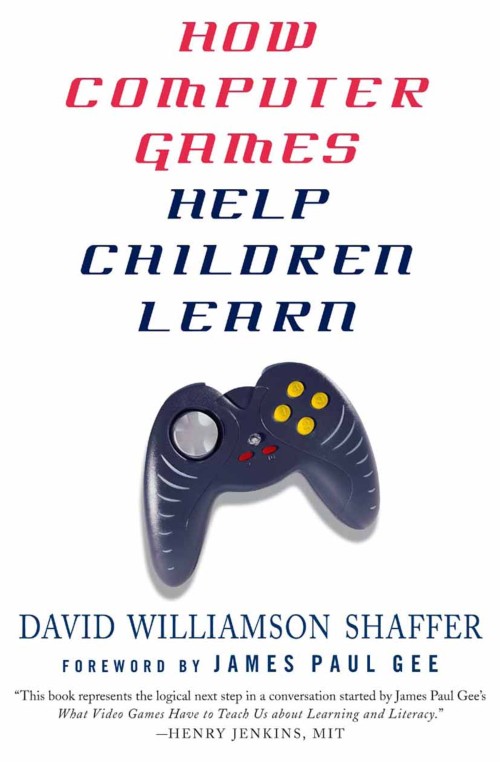
245 10|aHow Computer Games Help Children Learn|h[electronic resource] /|cby D. Shaffer.
250 |a1st ed. 2006.
264 1|aNew York :|bPalgrave Macmillan US :|bImprint: Palgrave Macmillan,|c2006.
300 |aXIII, 242 p. 9 illus.|bonline resource.
336 |atext|btxt|2rdacontent
337 |acomputer|bc|2rdamedia
338 |aonline resource|bcr|2rdacarrier
347 |atext file|bPDF|2rda
520 |aHow can we make sure that our children are learning to be creative thinkers in a world of global competition - and what does that mean for the future of education in the digital age? David Williamson Shaffer offers a fresh and powerful perspective on computer games and learning. How Computer Games Help Children Learn shows how video and computer games can help teach children to build successful futures - but only if we think in new ways about education itself. Shaffer shows how computer and video games can help students learn to think like engineers, urban planners, journalists, lawyers, and other innovative professionals, giving them the tools they need to survive in a changing world. Based on more than a decade of research in technology, game science, and education, How Computer Games Help Children Learn revolutionizes the ongoing debate about the pros and cons of digital learning.
650 0|aEducational technology.
650 0|aEducation.
650 0|aPersonality.
650 0|aDifference (Psychology).
650 0|aEducation and state.
650 0|aTeachers|xTraining of.
650 0|aComputers and civilization.
650 14|aDigital Education and Educational Technology.
650 24|aEducation.
650 24|aPersonality and Differential Psychology.
650 24|aEducational Policy and Politics.
650 24|aTeaching and Teacher Education.
650 24|aComputers and Society.
710 2 |aSpringerLink (Online service)
773 0 |tSpringer Nature eBook
776 08|iPrinted edition:|z9781403975058
776 08|iPrinted edition:|z9780230602526
776 08|iPrinted edition:|z9781349535743
856 40|uhttps://doi.org/10.1057/9780230601994
912 |aZDB-2-PSD
912 |aZDB-2-SXS
950 |aPalgrave Social & Cultural Studies Collection (SpringerNature-41148)
950 |aSocial Sciences (R0) (SpringerNature-43726)