LEADER 02143nam a22005415i 4500
001 829971
003 TR_AnAIT
005 20260131050257
007 cr nn 008mamaa
008 151208s2007 xxu| s |||| 0|eng d
020 |a9780230605060|9978-0-230-60506-0
024 7 |a10.1057/9780230605060|2doi
041 |aeng
049 |aTürk Tarih Kurumu Kütüphanesi
050 4|aHQ12-449
072 7|aJFSJ|2bicssc
072 7|aSOC032000|2bisacsh
072 7|aJBSF|2thema
082 04|a305.3|223
090 |aDK/31062
100 1 |aSiegel, D.|eauthor.|4aut|4http://id.loc.gov/vocabulary/relators/aut
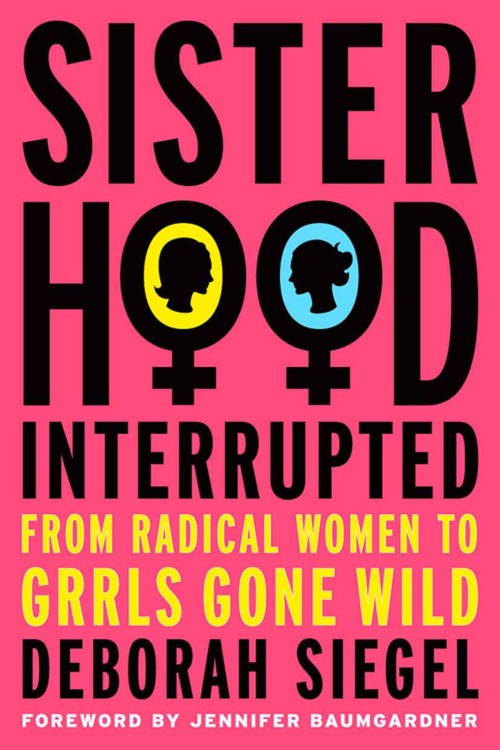
245 10|aSisterhood, Interrupted|h[electronic resource] :|bFrom Radical Women to Grrls Gone Wild /|cby D. Siegel.
250 |a1st ed. 2007.
264 1|aNew York :|bPalgrave Macmillan US :|bImprint: Palgrave Macmillan,|c2007.
300 |aXIV, 224 p.|bonline resource.
336 |atext|btxt|2rdacontent
337 |acomputer|bc|2rdamedia
338 |aonline resource|bcr|2rdacarrier
347 |atext file|bPDF|2rda
520 |aContrary to clichés about the end of feminism, Deborah Siegel argues that younger women are not abandoning the movement but reinventing it. After forty years, is feminism today a culture, or a cause? A movement for personal empowerment, or broad-scale social change? Have women achieved equality, or do we still have a long way to go?
650 0|aSex.
650 0|aPolitical science.
650 0|aUnited States|xHistory.
650 0|aHistory, Modern.
650 0|aFeminism.
650 0|aFeminist theory.
650 14|aGender Studies.
650 24|aPolitical Science.
650 24|aUS History.
650 24|aModern History.
650 24|aFeminism and Feminist Theory.
710 2 |aSpringerLink (Online service)
773 0 |tSpringer Nature eBook
776 08|iPrinted edition:|z9781403973184
776 08|iPrinted edition:|z9781403982049
776 08|iPrinted edition:|z9781349534418
856 40|uhttps://doi.org/10.1057/9780230605060
912 |aZDB-2-PSD
912 |aZDB-2-SXS
950 |aPalgrave Social & Cultural Studies Collection (SpringerNature-41148)
950 |aSocial Sciences (R0) (SpringerNature-43726)