LEADER 03819nam a22005655i 4500
001 839890
003 TR_AnAIT
005 20260715041738
007 cr nn 008mamaa
008 181023s2018 sz | s |||| 0|eng d
020 |a9783319920962|9978-3-319-92096-2
024 7 |a10.1007/978-3-319-92096-2|2doi
041 |aeng
049 |aTürk Dil Kurumu Kütüphanesi
050 4|aGN625-635
072 7|aJFC|2bicssc
072 7|a1F|2bicssc
072 7|aSOC008020|2bisacsh
072 7|aJBCC|x1F|2thema
082 04|a306.095|223
090 |aEK/5682
100 1 |aWong, Wendy Siuyi.|eauthor.|4aut|4http://id.loc.gov/vocabulary/relators/aut
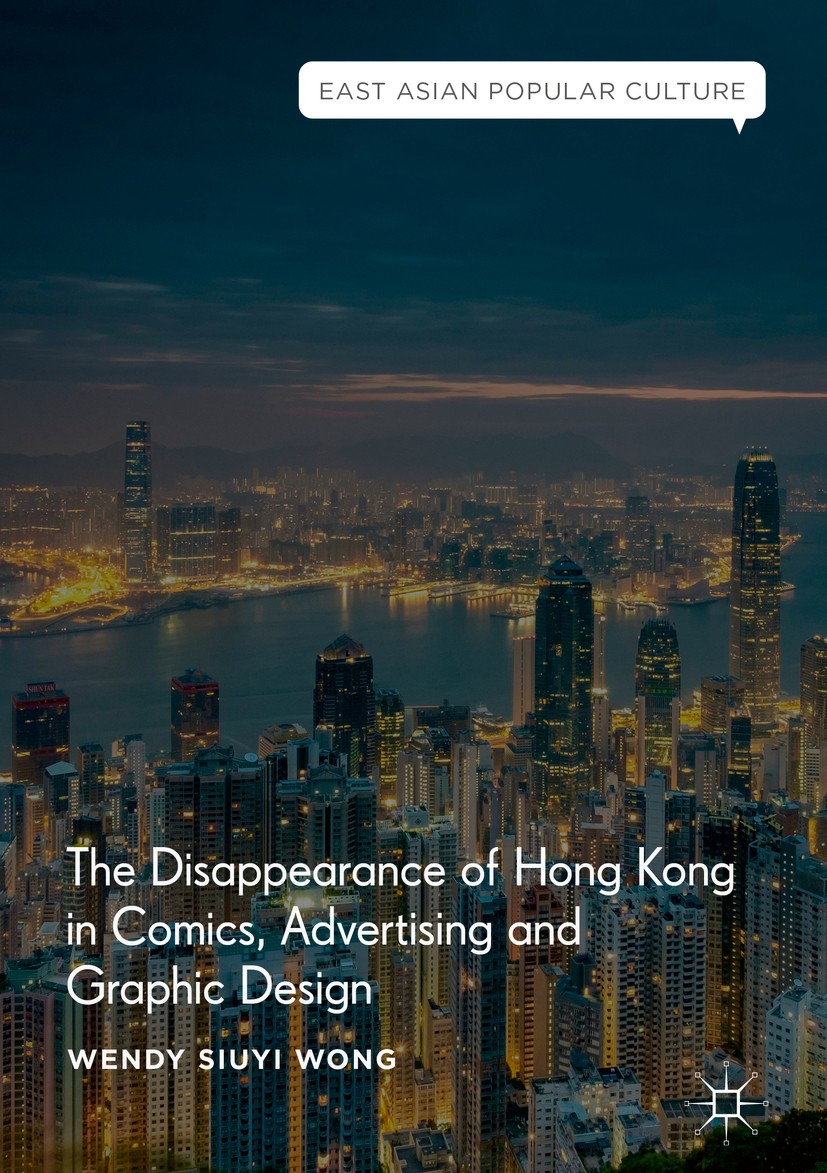
245 14|aThe Disappearance of Hong Kong in Comics, Advertising and Graphic Design|h[electronic resource] /|cby Wendy Siuyi Wong.
250 |a1st ed. 2018.
264 1|aCham :|bSpringer International Publishing :|bImprint: Palgrave Macmillan,|c2018.
300 |aXIX, 245 p. 48 illus., 25 illus. in color.|bonline resource.
336 |atext|btxt|2rdacontent
337 |acomputer|bc|2rdamedia
338 |aonline resource|bcr|2rdacarrier
347 |atext file|bPDF|2rda
490 1 |aEast Asian Popular Culture,|x2634-5943
505 0 |a1. Introduction: The unveiling of the disappearance -- 2. Tracing the origins of Hong Kong manhua: A case of culture of disappearance -- 3. Reinventing Hong Kong manhua: A case of the non-appearance -- 4. A history of Hong Kong comics in film adaptations: The appearance of self-identities -- 5. Construction of Hong Kong modern living: Household product and appliance advertisements in the pre-television era -- 6. Reconfiguring a new tradition of ideal family size: A case study of the Family Planning Association of Hong Kong, 1977–1982 -- 7. Transitory identity of Hong Kong: A Reading of Cathay Pacific Airways Television Commercials -- 8. Negotiating the marginalized identity of Hong Kong: A case in graphic design -- 9. An international design identity of Hong Kong: Colonization, decolonization, and recolonization -- 10. Not the same: Rethinking Chineseness in a global context through poster design.
520 |aThis book examines Hong Kong’s struggle against the disappearance of its unique identity under the historical challenges of colonialism, in addition to the more recent reimposition of Chinese authoritarian government control, as reflected in three under-researched forms of visual media: comics, advertising and graphic design. Each section of the book focuses on one of these three forms, and each chapter focuses on one stage of Hong Kong’s changing cultural identity. The articulative position of this book is on studies of visual cultural history and media communication. Its case studies will broaden readers’ own cultural knowledge for a more international understanding. The Disappearance of Hong Kong in Comics, Advertising and Graphic Design advances the development of its three key subjects in terms of identity, communication and cultural politics, aiming to reach a wide range of multidisciplinary readers.
650 0|aEthnology|xAsia.
650 0|aCulture.
650 0|aPopular Culture.
650 0|aCommunication.
650 0|aGraphic arts.
650 14|aAsian Culture.
650 24|aPopular Culture.
650 24|aMedia and Communication.
650 24|aGraphic Design.
710 2 |aSpringerLink (Online service)
773 0 |tSpringer Nature eBook
776 08|iPrinted edition:|z9783319920955
776 08|iPrinted edition:|z9783319920979
776 08|iPrinted edition:|z9783030063610
830 0|aEast Asian Popular Culture,|x2634-5943
856 40|uhttps://doi.org/10.1007/978-3-319-92096-2
912 |aZDB-2-LCM
912 |aZDB-2-SXL
950 |aLiterature, Cultural and Media Studies (SpringerNature-41173)
950 |aLiterature, Cultural and Media Studies (R0) (SpringerNature-43723)