LEADER 03567nam a22005535i 4500
001 840182
003 TR_AnAIT
005 20260715041150
007 cr nn 008mamaa
008 180922s2018 sz | s |||| 0|eng d
020 |a9783319959009|9978-3-319-95900-9
024 7 |a10.1007/978-3-319-95900-9|2doi
041 |aeng
049 |aTürk Dil Kurumu Kütüphanesi
050 4|aPN849.E87-.E872
072 7|aDS|2bicssc
072 7|a1D|2bicssc
072 7|aLIT004130|2bisacsh
072 7|aDS|x1D|2thema
082 04|a809.894|223
090 |aEK/3432
100 1 |aO'Sullivan, Michael.|eauthor.|4aut|4http://id.loc.gov/vocabulary/relators/aut
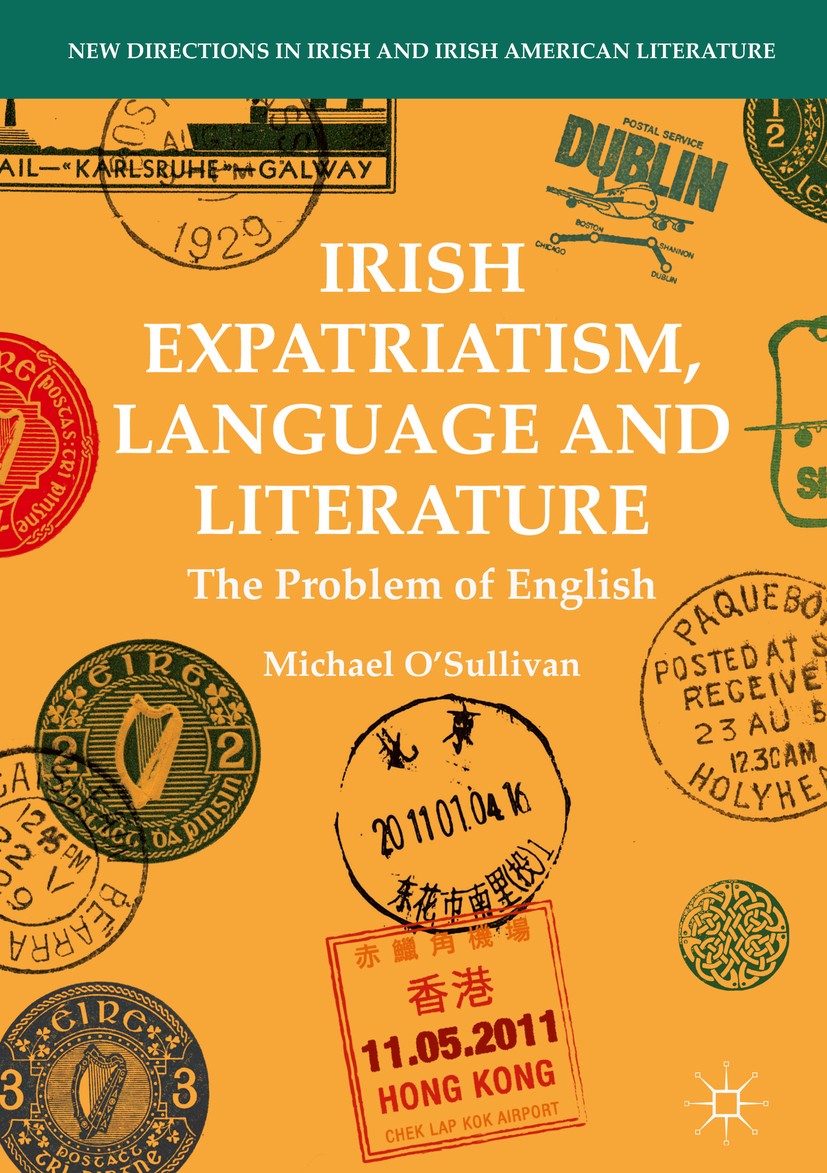
245 10|aIrish Expatriatism, Language and Literature|h[electronic resource] :|bThe Problem of English /|cby Michael O'Sullivan.
250 |a1st ed. 2018.
264 1|aCham :|bSpringer International Publishing :|bImprint: Palgrave Macmillan,|c2018.
300 |aVI, 228 p. 3 illus.|bonline resource.
336 |atext|btxt|2rdacontent
337 |acomputer|bc|2rdamedia
338 |aonline resource|bcr|2rdacarrier
347 |atext file|bPDF|2rda
490 1 |aNew Directions in Irish and Irish American Literature,|x2731-3190
505 0 |a1. Introduction -- 2. Swift: The Irish expat ‘at home’ with “our language” -- 3. Goldsmith: The Irish expat in London as “Chinaman” -- 4. Irish expat empire builders in China and Hong Kong: Robert Hart and John Pope Hennessy -- 5. Yeats: The expat buys property back home -- 6. Joyce: The expat and the ‘loss of English’ -- 7. Bowen: the unspeakable loneliness of the Anglo-Irish expat -- 8. Boland: can the expat find a ‘home’ in language? -- 9. A Forgotten Irish Cosmopolitanism: Goh Poh Seng’s Ireland -- 10. Social Network Expatriatism and new departures in John Boyne and Donal Ryan.
520 |aThis book examines how Irishness as national narrative is consistently understood ‘from a distance’. Irish Presidents, critics, and media initiatives focus on how Irishness is a global resource chiefly informed by the experiences of an Irish diaspora predominantly working in English, while also reminding Irish people ‘at home’ that Irish is the 'national tongue'. In returning to some of Ireland’s major expat writers and international diplomats, this book examines the economic reasons for their migration, the opportunities they gained by working abroad (sometimes for the British Empire), and their experiences of writing and governing in non-native English speaking communities such as China and Hong Kong. It argues that their concerns about belonging, loneliness, the desire to buy a place ‘back home’, and losing a language are shared by today’s generation of social network expatriates.
650 0|aEuropean literature.
650 0|aLiterature, Modern|x20th century.
650 0|aLiterature|xHistory and criticism.
650 0|aLiterature.
650 14|aEuropean Literature.
650 24|aTwentieth-Century Literature.
650 24|aLiterary History.
650 24|aWorld Literature.
710 2 |aSpringerLink (Online service)
773 0 |tSpringer Nature eBook
776 08|iPrinted edition:|z9783319958996
776 08|iPrinted edition:|z9783319959016
776 08|iPrinted edition:|z9783030071127
830 0|aNew Directions in Irish and Irish American Literature,|x2731-3190
856 40|uhttps://doi.org/10.1007/978-3-319-95900-9
912 |aZDB-2-LCM
912 |aZDB-2-SXL
950 |aLiterature, Cultural and Media Studies (SpringerNature-41173)
950 |aLiterature, Cultural and Media Studies (R0) (SpringerNature-43723)