LEADER 04088nam a22004935i 4500
001 840231
003 TR_AnAIT
005 20260715041121
007 cr nn 008mamaa
008 200320s2020 sz | s |||| 0|eng d
020 |a9783030337124|9978-3-030-33712-4
024 7 |a10.1007/978-3-030-33712-4|2doi
041 |aeng
049 |aTürk Dil Kurumu Kütüphanesi
050 4|aPN4699-5650
072 7|aJFD|2bicssc
072 7|aKNTJ|2bicssc
072 7|aLAN008000|2bisacsh
072 7|aJBCT4|2thema
082 04|a070.4|223
090 |aEK/3361
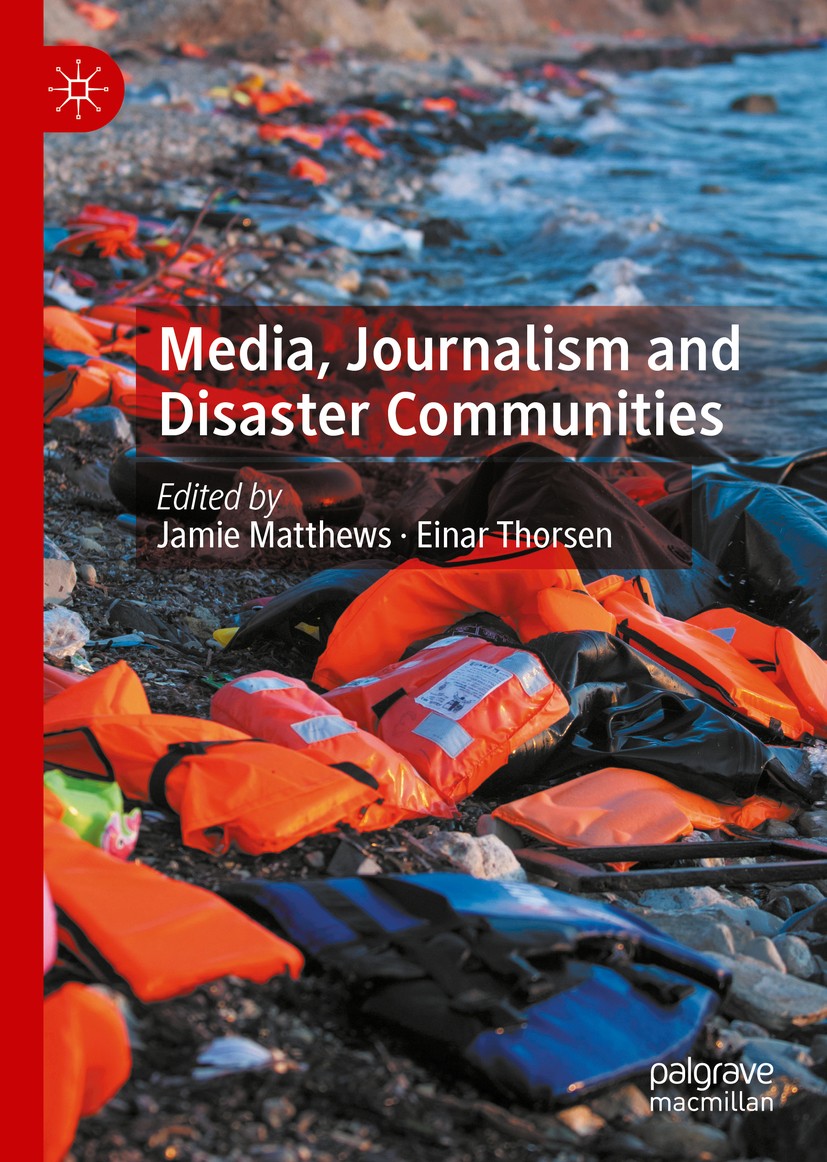
245 10|aMedia, Journalism and Disaster Communities|h[electronic resource] /|cedited by Jamie Matthews, Einar Thorsen.
250 |a1st ed. 2020.
264 1|aCham :|bSpringer International Publishing :|bImprint: Palgrave Macmillan,|c2020.
300 |aXV, 247 p. 9 illus.|bonline resource.
336 |atext|btxt|2rdacontent
337 |acomputer|bc|2rdamedia
338 |aonline resource|bcr|2rdacarrier
347 |atext file|bPDF|2rda
505 0 |a1. Introduction -- 2. Brazilian Local and National News Coverage of the Samarco Disaster: A Disaster for the Community, the Corporation or the Environment? -- 3. Reporting from the ‘inner circle’: afno manche and commitment to community in post-earthquake Nepal -- 4.Kesennuma’s Building for the Future and Ishinomaki’s Rolling Press: sharing localised news of recovery from Tōhoku’s disaster-affected communities -- 5. Drought is a disaster in the city: Local news media’s role in communicating disasters in Australia -- 6. Media and climate migration: Transnational and local reporting on vulnerable island communities -- 7. Changing the story of urban violence in El Salvador. The crónica, the community and voices from the ganglands -- 8. Oscillating between alienation and frustrated engagement: the study of Donbas residents’ response to conflicting narratives in the media -- 9. ‘Bloodbath, invasion, massacre’: Idoma Voice and the framing of the farmer-herder conflict in Benue State, Nigeria -- 10. Media and reconciliation: a study of media-led initiatives in post-IS Mosul -- 11. Is local journalism failing? – local voices in the aftermath of the Grenfell and Lakanal fire disasters -- 12. Attributes in Community and National News Coverage of the Parkland Mass Shootings -- 13. Informing refugee communities in Greece: What is possible within the parameters of the humanitarian structure? -- 14. When Media Fuel the Crisis: Fighting Hate Speech and Communal Violence in Myanmar.
520 |aThis book illuminates the concept of disaster communities through a series of international case studies. It offers an eclectic overview of how different forms of media and journalism contribute to our understanding of the lived experiences of communities at risk from, affected by, and recovering from disaster. This collection considers the different forms of media and journalism produced by and for communities and how they may recognise and speak to the different notions of community that emerge in disaster contexts – including vulnerabilities and consequences that arise from environmental destruction and geophysical hazards, the insecurity created by armed conflict and limitations on journalistic freedoms, and result from human (in)action and humanitarian crises.
650 0|aJournalism.
650 0|aCommunication in the environmental sciences.
650 14|aJournalism.
650 24|aEnvironmental Communication.
700 1 |aMatthews, Jamie.|eeditor.|4edt|4http://id.loc.gov/vocabulary/relators/edt
700 1 |aThorsen, Einar.|eeditor.|4edt|4http://id.loc.gov/vocabulary/relators/edt
710 2 |aSpringerLink (Online service)
773 0 |tSpringer Nature eBook
776 08|iPrinted edition:|z9783030337117
776 08|iPrinted edition:|z9783030337131
776 08|iPrinted edition:|z9783030337148
856 40|uhttps://doi.org/10.1007/978-3-030-33712-4
912 |aZDB-2-LCM
912 |aZDB-2-SXL
950 |aLiterature, Cultural and Media Studies (SpringerNature-41173)
950 |aLiterature, Cultural and Media Studies (R0) (SpringerNature-43723)