LEADER 03651nam a22005535i 4500
001 840242
003 TR_AnAIT
005 20260715041116
007 cr nn 008mamaa
008 210716s2021 sz | s |||| 0|eng d
020 |a9783030747763|9978-3-030-74776-3
024 7 |a10.1007/978-3-030-74776-3|2doi
041 |aeng
049 |aTürk Dil Kurumu Kütüphanesi
050 4|aPN171.4-239
072 7|aCBV|2bicssc
072 7|aLAN005000|2bisacsh
072 7|aCBV|2thema
082 04|a808.02|223
090 |aEK/3306
100 1 |aMay, Adrian.|eauthor.|4aut|4http://id.loc.gov/vocabulary/relators/aut
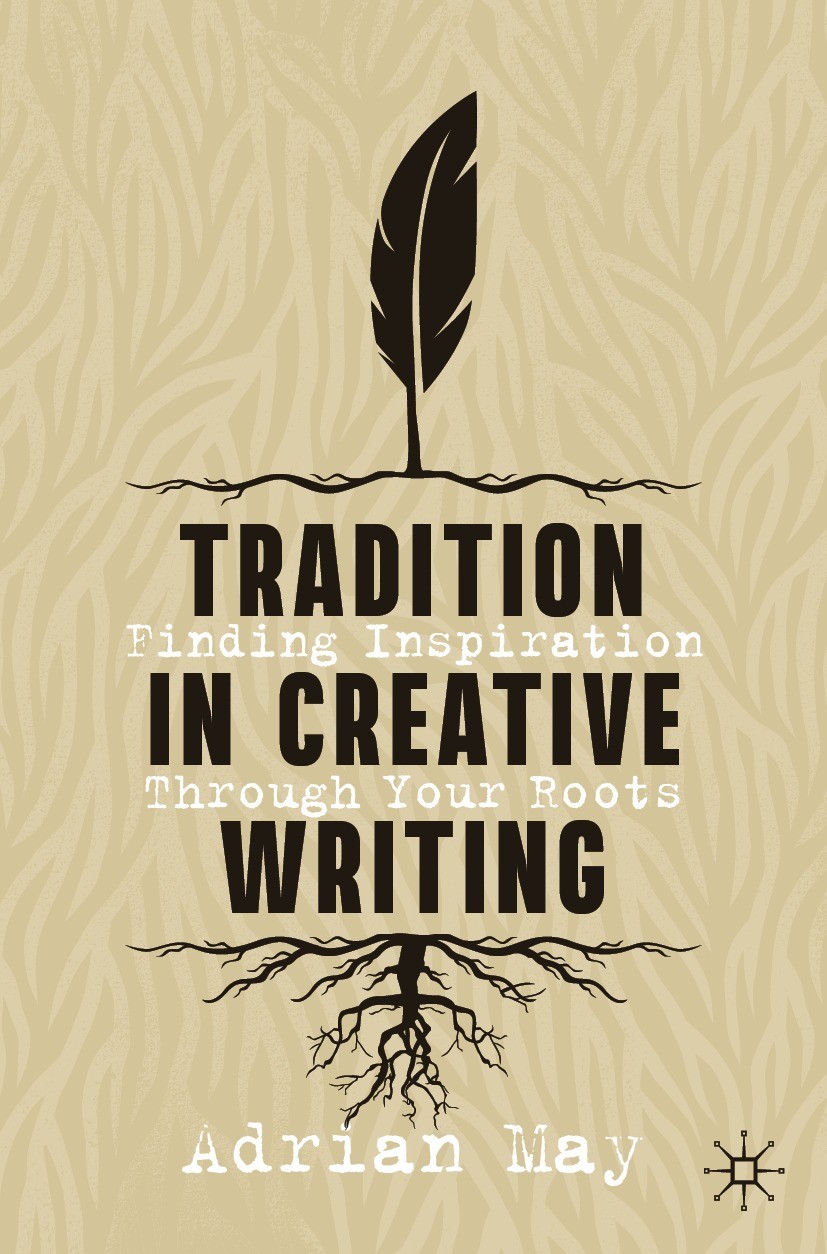
245 10|aTradition in Creative Writing|h[electronic resource] :|bFinding Inspiration Through Your Roots /|cby Adrian May.
250 |a1st ed. 2021.
264 1|aCham :|bSpringer International Publishing :|bImprint: Palgrave Macmillan,|c2021.
300 |aXII, 183 p. 1 illus.|bonline resource.
336 |atext|btxt|2rdacontent
337 |acomputer|bc|2rdamedia
338 |aonline resource|bcr|2rdacarrier
347 |atext file|bPDF|2rda
505 0 |aINTRODUCTION: The Hidden Wealth -- Chapter 1: Modern Traditionalists -- Chapter 2: Not Just History and Ancient Inspirations -- Chapter 3:Storytelling, Myth, Folklore and Magic -- Chapter 4: Folksong and Creativity -- Chapter 5: A Songwriter in the Tradition -- Chapter 6: Protest Songs and the Comic Connection -- Chapter 7: Tradition and Locality -- Chapter 8: Self and Family Trees -- Chapter 9: An English Apple: Nature and Tradition -- Chapter 10: Work, Craft and Creativity -- Chapter 11: Church Going? Religion and Community -- Chapter 12: The Radical Tradition Today -- Conclusions and Occlusions.
520 |aTradition in Creative Writing: Finding Inspiration Through Your Roots encourages writers to rediscover sources of creativity in the everyday, showing students how to see your writing as connected to your life. Adrian May addresses a key question for many beginning writers: Where do you get your ideas from? May argues that tradition does not mean anti-progress—but is instead a kind of hidden wealth that stems from literary and historical traditions, folk and songs, self and nature, and community. By drawing on these personal and traditional wellsprings of inspiration, writers will learn to see their writing as part of a greater continuum of influences and view their work as having innate value as part of that cultural and artistic ecology. Each chapter includes accessible discussion, literary and critical readings, creative examples, and writing exercises. While the creative examples are drawn from song lyrics and poetry, the writing exercises are appropriate for all genres. Undergraduates and practitioners will benefit from this guide to finding originality in writing through exploring sources of creative inspiration.
650 0|aCreative writing.
650 0|aEducation in literature.
650 0|aLiterary form.
650 0|aArt|xStudy and teaching.
650 0|aJournalism|xAuthorship.
650 0|aPenmanship.
650 14|aCreative Writing.
650 24|aLiterature and Pedagogy.
650 24|aLiterary Genre.
650 24|aCreativity and Arts Education.
650 24|aWriting and Reporting.
650 24|aWriting Skills.
710 2 |aSpringerLink (Online service)
773 0 |tSpringer Nature eBook
776 08|iPrinted edition:|z9783030747756
776 08|iPrinted edition:|z9783030747770
856 40|uhttps://doi.org/10.1007/978-3-030-74776-3
912 |aZDB-2-LCM
912 |aZDB-2-SXL
950 |aLiterature, Cultural and Media Studies (SpringerNature-41173)
950 |aLiterature, Cultural and Media Studies (R0) (SpringerNature-43723)