LEADER 04065nam a22005895i 4500
001 840356
003 TR_AnAIT
005 20260715040830
007 cr nn 008mamaa
008 220917s2022 sz | s |||| 0|eng d
020 |a9783031119613|9978-3-031-11961-3
024 7 |a10.1007/978-3-031-11961-3|2doi
041 |aeng
049 |aTürk Dil Kurumu Kütüphanesi
050 4|aPN715-749
072 7|aDSB|2bicssc
072 7|aLIT024000|2bisacsh
072 7|aDSB|2thema
082 04|a809.03|223
090 |aEK/3689
100 1 |aWittek, Stephen.|eauthor.|4aut|4http://id.loc.gov/vocabulary/relators/aut
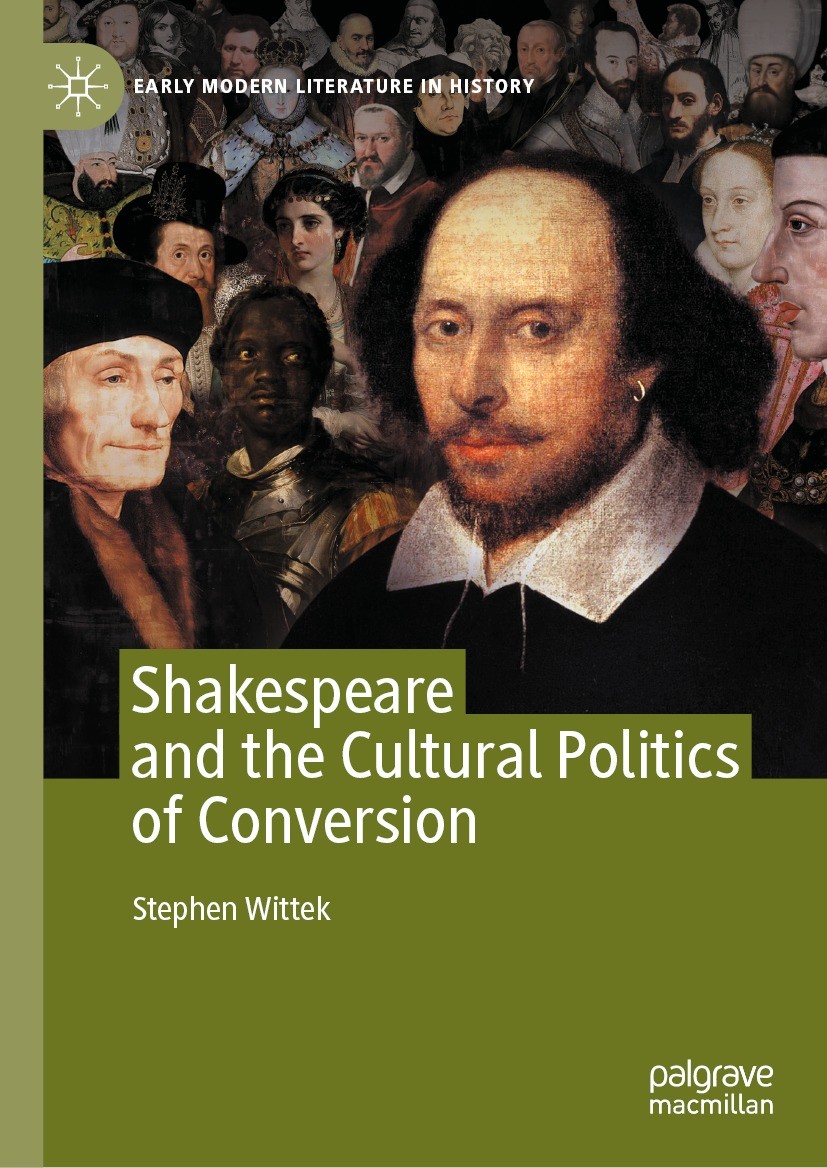
245 10|aShakespeare and the Cultural Politics of Conversion|h[electronic resource] /|cby Stephen Wittek.
250 |a1st ed. 2022.
264 1|aCham :|bSpringer International Publishing :|bImprint: Palgrave Macmillan,|c2022.
300 |aXIV, 200 p. 6 illus., 5 illus. in color.|bonline resource.
336 |atext|btxt|2rdacontent
337 |acomputer|bc|2rdamedia
338 |aonline resource|bcr|2rdacarrier
347 |atext file|bPDF|2rda
490 1 |aEarly Modern Literature in History,|x2634-5927
505 0 |aChapter 1: Introduction: Turning into Other Things -- Chapter 2: What We Talk About When We Talk About Conversion -- Chapter 3: Conversion, Coercion, and Persuasion in The Taming of the Shrew -- Chapter 4: The Politics of Conversion in Henry IV, Part 1 -- Chapter 5: Conversional Transactions in The Merchant of Venice -- Chapter 6: Citizenship and Conversion in Othello -- Chapter 7: Colonialism and Conversion in The Tempest.
520 |aShakespeare and the Cultural Politics of Conversion takes a close look at Shakespeare’s engagement with the flurry of controversy and activity surrounding the concept of conversion in post-Reformation England. For playhouse audiences during the period, conversional thought encompassed a diverse, fluid amalgamation of ideas, practices, and arguments centered on the means by which an individual could move from one category of identity to another. In an analysis that includes chapter-length readings of The Taming of the Shrew, Henry IV Part I, The Merchant of Venice, Othello, and The Tempest, Professor Stephen Wittek argues that Shakespearean drama made a unique and substantive intervention in public discourse surrounding conversion, and continues to speak meaningfully about conversional experience for audiences in the present age. It will be of particular benefit to students and scholars with an interestin theatrical history, performance theory, cultural studies, race studies, and gender studies. Stephen Wittek is Associate Professor in the Department of English at Carnegie Mellon University, USA. He is the author of The Media Players: Shakespeare, Middleton, Jonson, and the Idea of News (2015), and co-editor of two multi-authored collections: Performing Conversion: Cities, Theatre and Early Modern Transformations (2021) and Shakespeare and Virtual Reality (2021). His work has also appeared in journals including Studies in English Literature, Digital Humanities Quarterly, and Journal of Cognitive History.
650 0|aEuropean literature|xRenaissance, 1450-1600.
650 0|aLiterature|xHistory and criticism.
650 0|aDrama.
650 0|aReligion|xHistory.
650 0|aChristianity.
650 0|aReligion and politics.
650 14|aEarly Modern and Renaissance Literature.
650 24|aLiterary History.
650 24|aDrama.
650 24|aHistory of Religion.
650 24|aChristianity.
650 24|aPolitics and Religion.
710 2 |aSpringerLink (Online service)
773 0 |tSpringer Nature eBook
776 08|iPrinted edition:|z9783031119606
776 08|iPrinted edition:|z9783031119620
776 08|iPrinted edition:|z9783031119637
830 0|aEarly Modern Literature in History,|x2634-5927
856 40|uhttps://doi.org/10.1007/978-3-031-11961-3
912 |aZDB-2-LCM
912 |aZDB-2-SXL
950 |aLiterature, Cultural and Media Studies (SpringerNature-41173)
950 |aLiterature, Cultural and Media Studies (R0) (SpringerNature-43723)