LEADER 03676nam a22005295i 4500
001 840423
003 TR_AnAIT
005 20260715040350
007 cr nn 008mamaa
008 200629s2020 sz | s |||| 0|eng d
020 |a9783030393953|9978-3-030-39395-3
024 7 |a10.1007/978-3-030-39395-3|2doi
041 |aeng
049 |aTürk Dil Kurumu Kütüphanesi
050 4|aP87-96
072 7|aJFD|2bicssc
072 7|aSOC052000|2bisacsh
072 7|aJBCT|2thema
082 04|a302.2|223
090 |aEK/3506
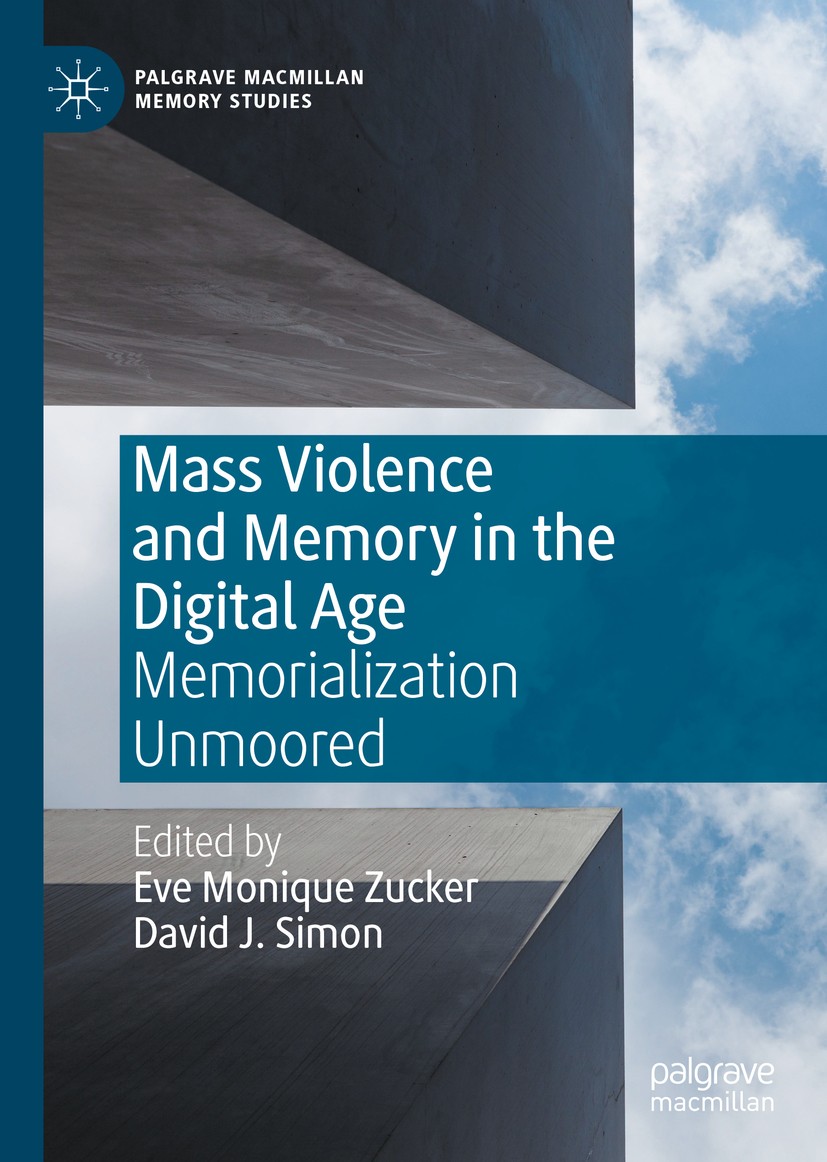
245 10|aMass Violence and Memory in the Digital Age|h[electronic resource] :|bMemorialization Unmoored /|cedited by Eve Monique Zucker, David J. Simon.
250 |a1st ed. 2020.
264 1|aCham :|bSpringer International Publishing :|bImprint: Palgrave Macmillan,|c2020.
300 |aXVIII, 246 p. 14 illus.|bonline resource.
336 |atext|btxt|2rdacontent
337 |acomputer|bc|2rdamedia
338 |aonline resource|bcr|2rdacarrier
347 |atext file|bPDF|2rda
490 1 |aPalgrave Macmillan Memory Studies,|x2634-6265
505 0 |a1. Introduction -- 2. Memorialization in Rwanda: The legal, social, and digital constructions of the memorial narrative -- 3. Breaking the Silence: Memorialization and Cultural Repair in the Aftermath of the Armenian Genocide -- 4. Let Them Speak: An Effort to Reconnect Communities of Survivors in a Digital Archive -- 5. (Re)producing the past online: Oral history and social media-based discourse on Cambodian performing arts in the aftermath of genocide -- 6. From the material to the digital: Reflections on collecting and exhibiting grief at the 9/11 Memorial Museum -- 7. Teaching and learning in virtual places of exception: Gone Gitmo and the Guantánamo Bay museum of art and history -- 8. The slow rise of social movement organizations for memorialization in Haiti: Lutte Contre Impunite, Devoire de Memoire-Haiti and the struggle for digitizing the truth -- 9. “Rebuilding the jigsaw of memory”: The discourse of Portuguese colonial war veterans’ blogs -- 10. Conclusion.
520 |aThis volume explores the shifting tides of how political violence is memorialized in today's decentralized, digital era. The book enhances our understanding of how the digital turn is changing the ways that we remember, interpret, and memorialize the past. It also raises practical and ethical questions of how we should utilize these tools and study their impacts. Cases covered include memorialization efforts related to the genocides in Rwanda, Cambodia, Europe (the Holocaust), and Armenia; to non-genocidal violence in Haiti, and the Portuguese Colonial War on the African Continent; and of the September 11 attacks on the United States. .
650 0|aCommunication.
650 0|aCollective memory.
650 0|aDigital media.
650 14|aMedia and Communication.
650 24|aMemory Studies.
650 24|aDigital and New Media.
700 1 |aZucker, Eve Monique.|eeditor.|4edt|4http://id.loc.gov/vocabulary/relators/edt
700 1 |aSimon, David J.|eeditor.|0(orcid)0000-0003-0565-0718|1https://orcid.org/0000-0003-0565-0718|4edt|4http://id.loc.gov/vocabulary/relators/edt
710 2 |aSpringerLink (Online service)
773 0 |tSpringer Nature eBook
776 08|iPrinted edition:|z9783030393946
776 08|iPrinted edition:|z9783030393960
776 08|iPrinted edition:|z9783030393977
830 0|aPalgrave Macmillan Memory Studies,|x2634-6265
856 40|uhttps://doi.org/10.1007/978-3-030-39395-3
912 |aZDB-2-LCM
912 |aZDB-2-SXL
950 |aLiterature, Cultural and Media Studies (SpringerNature-41173)
950 |aLiterature, Cultural and Media Studies (R0) (SpringerNature-43723)