LEADER 03296nam a22004935i 4500
001 840603
003 TR_AnAIT
005 20260715035729
007 cr nn 008mamaa
008 190124s2019 sz | s |||| 0|eng d
020 |a9783030034665|9978-3-030-03466-5
024 7 |a10.1007/978-3-030-03466-5|2doi
041 |aeng
049 |aTürk Dil Kurumu Kütüphanesi
050 4|aPN843-846
072 7|aDS|2bicssc
072 7|a1KB|2bicssc
072 7|aLIT004020|2bisacsh
072 7|aDS|x1KB|2thema
082 04|a809.897|223
090 |aEK/3824
100 1 |aHess, Linda M.|eauthor.|4aut|4http://id.loc.gov/vocabulary/relators/aut
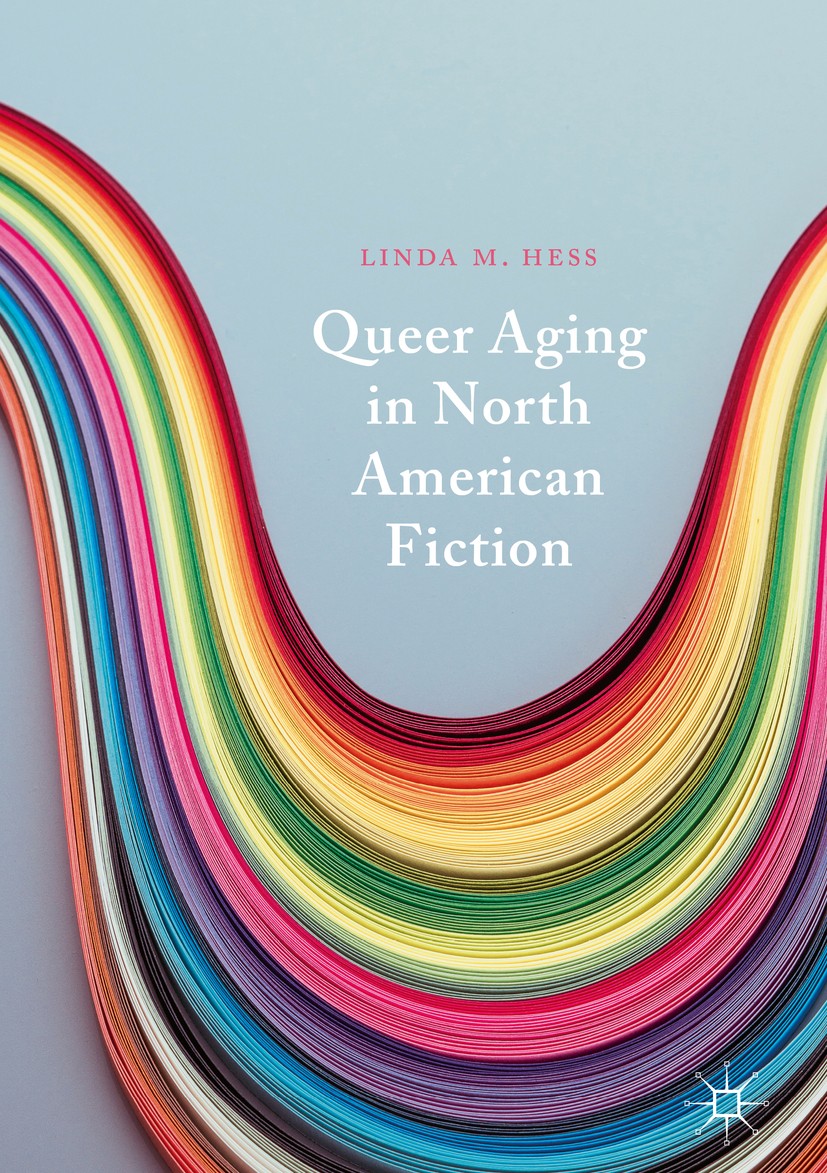
245 10|aQueer Aging in North American Fiction|h[electronic resource] /|cby Linda M. Hess.
250 |a1st ed. 2019.
264 1|aCham :|bSpringer International Publishing :|bImprint: Palgrave Macmillan,|c2019.
300 |aXI, 240 p.|bonline resource.
336 |atext|btxt|2rdacontent
337 |acomputer|bc|2rdamedia
338 |aonline resource|bcr|2rdacarrier
347 |atext file|bPDF|2rda
505 0 |a1. Introduction: Queer Aging and the Significance of Representation -- 2. The Older Lesbian as Predator: Dorothy Baker's Trio: A Novel (1943) -- 3. The Menace of Gay Aging: James Baldwin's Giovanni's Room (1956) -- 4. Lesbian Feminist Aging: June Arnold's Sister Gin (1975) -- 5. Gay Times in NYC: Andrew Holleran's Dancer from the Dance (1978) -- 6. Gay Aging after AIDS: Andrew Holleran's The Beauty of Men (1996) -- 7. Visible Old Lesbians: Suzette Mayr's The Widows (1998) -- 8. New Stories About Gay Aging: Mike Mills' Beginners (2010) -- 9. Lesbian Aging Hits The Road: Thom Fitzgerald's Cloudburst (2011) -- 10. Conclusion: Ask What Queer Aging Can Do For You.
520 |aExploring representations of queer aging in North American fiction, this book illuminates a rich yet previously unheeded intersection within American culture. At a time when older LGBTQ persons gradually gain visibility in gerontological studies and in the media, this work provides a critical perspective concerned with the ways in which the narratives and images we have at our disposal shape our realities. Each chapter shines a spotlight on a significant work of queer fiction, beginning with post-WWII novels and ending with filmic representations of the 2010s, exploring narratives as both reflections and agents of broader cultural negotiations concerning queer sexuality and aging. As a result, the book not only redresses queer aging’s history of invisibility, but also reveals narratives of queer aging to be particularly apt in casting new light on the ways in which growing older is perceived and conceptualized in North American culture. .
650 0|aAmerica|xLiteratures.
650 0|aLiterature|xPhilosophy.
650 0|aQueer theory.
650 14|aNorth American Literature.
650 24|aLiterary Theory.
650 24|aQueer Studies.
710 2 |aSpringerLink (Online service)
773 0 |tSpringer Nature eBook
776 08|iPrinted edition:|z9783030034658
776 08|iPrinted edition:|z9783030034672
856 40|uhttps://doi.org/10.1007/978-3-030-03466-5
912 |aZDB-2-LCM
912 |aZDB-2-SXL
950 |aLiterature, Cultural and Media Studies (SpringerNature-41173)
950 |aLiterature, Cultural and Media Studies (R0) (SpringerNature-43723)