LEADER 03827nam a22004815i 4500
001 840813
003 TR_AnAIT
005 20260715034057
007 cr nn 008mamaa
008 190601s2019 sz | s |||| 0|eng d
020 |a9783030162917|9978-3-030-16291-7
024 7 |a10.1007/978-3-030-16291-7|2doi
041 |aeng
049 |aTürk Dil Kurumu Kütüphanesi
050 4|aNX1-820
072 7|aAB|2bicssc
072 7|aART000000|2bisacsh
072 7|aAB|2thema
082 04|a700|223
090 |aEK/4052
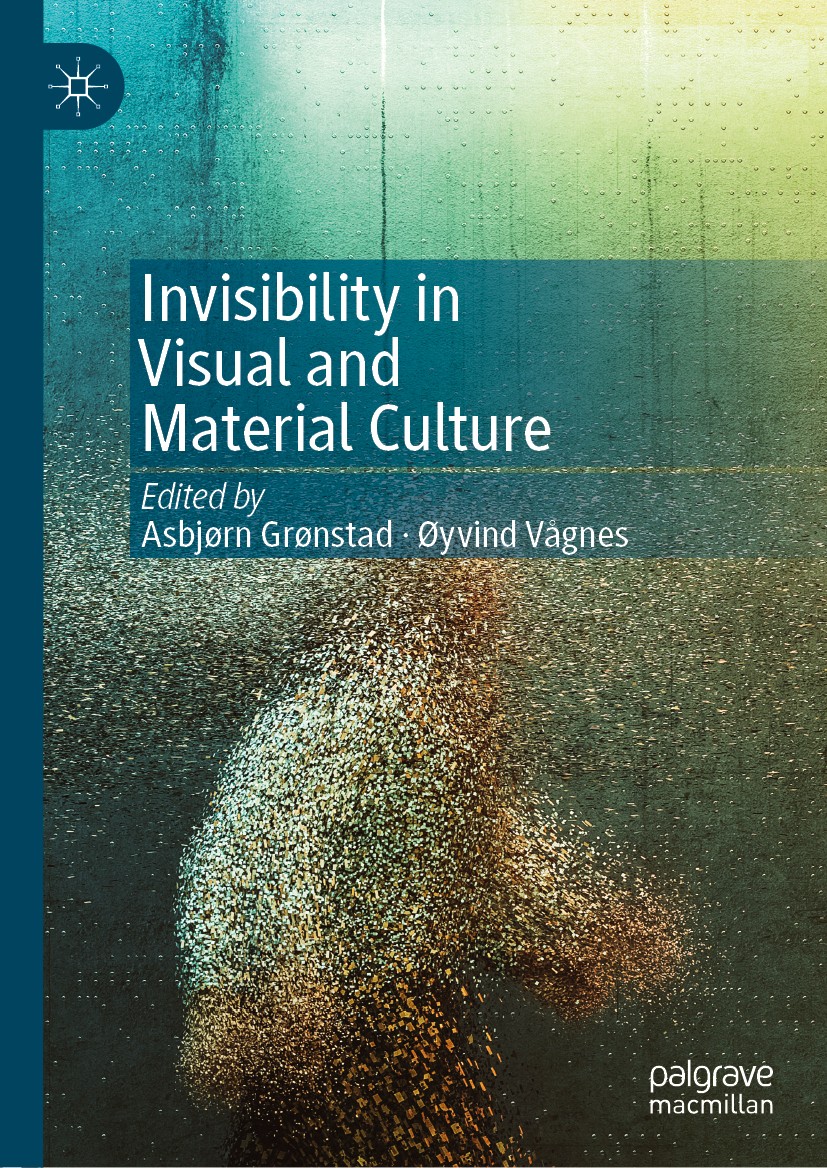
245 10|aInvisibility in Visual and Material Culture|h[electronic resource] /|cedited by Asbjørn Grønstad, Øyvind Vågnes.
250 |a1st ed. 2019.
264 1|aCham :|bSpringer International Publishing :|bImprint: Palgrave Macmillan,|c2019.
300 |aXX, 232 p. 19 illus., 13 illus. in color.|bonline resource.
336 |atext|btxt|2rdacontent
337 |acomputer|bc|2rdamedia
338 |aonline resource|bcr|2rdacarrier
347 |atext file|bPDF|2rda
505 0 |a1. Invisibility Matters, Asbjørn Grønstad and Øyvind Vågnes -- 2. Invisible Empire: Learning to Look Askew in the Art of Harun Farocki and Trevor Paglen, Henrik Gustafsson -- 3. Literary Device: Invisible Light and a Photo of Photography, Ari Laskin -- 4. Tomas van Houtryve's Packing Heat and the Culture of Surveillance, Øyvind Vågnes -- 5. Neurointerfaces, Mental Imagery and Sensory Translation in Art and Science in the Digital Age, Ksenia Fedorova -- 6. Invisibility and the Ethics of Erasure: Khaled Barakeh’s The Untitled Images, Asbjørn Grønstad -- 7. Neither Visible nor Hidden: The Structuring of the Sensible, Maria-Carolina Cambre -- 8. Reading the Invisible in Marjane Satrapi’s Embroideries, Jena Habegger-Conti -- 9. Hearing and Seeing the In/visible: Anne Charlotte Robertson’s Five Year Diary, Anjo-mari Gouws -- 10. Power in Partial Visibility: Reframing Positions on 19th& Early 20th Century Photography, Lucy L. Bowditch -- 11. Materiality of the Invisible in David Wilson’s “California Letters”, Lene Johannessen.
520 |aThe essays in Invisibility in Visual and Material Culture contribute pioneering and revelatory insights into the phenomenon of invisibility, forging new and multi-disciplinary approaches at the intersection of aesthetics, technology, representation and politics. Importantly, they acknowledge the complex interaction between invisibility and its opposite, visibility, arguing that the one cannot be fully grasped without the other. Considering these entanglements across different media forms, the chapters reveal that the invisible affects many cultural domains, from digital communication and operative images to the activism of social movements, as well as to identity, race, gender and class issues. Whether the subject is comic books, photographic provocations, biometric and brainwave sensing technologies, letters, or a cinematic diary, the analyses in this book engage critically and theoretically with the topic of invisibility and thus represent the first scholarly study to identifyits importance for the field of visual culture.
650 0|aArts.
650 0|aAesthetics.
650 14|aArts.
650 24|aAesthetics.
700 1 |aGrønstad, Asbjørn.|eeditor.|4edt|4http://id.loc.gov/vocabulary/relators/edt
700 1 |aVågnes, Øyvind.|eeditor.|4edt|4http://id.loc.gov/vocabulary/relators/edt
710 2 |aSpringerLink (Online service)
773 0 |tSpringer Nature eBook
776 08|iPrinted edition:|z9783030162900
776 08|iPrinted edition:|z9783030162924
776 08|iPrinted edition:|z9783030162931
856 40|uhttps://doi.org/10.1007/978-3-030-16291-7
912 |aZDB-2-LCM
912 |aZDB-2-SXL
950 |aLiterature, Cultural and Media Studies (SpringerNature-41173)
950 |aLiterature, Cultural and Media Studies (R0) (SpringerNature-43723)