

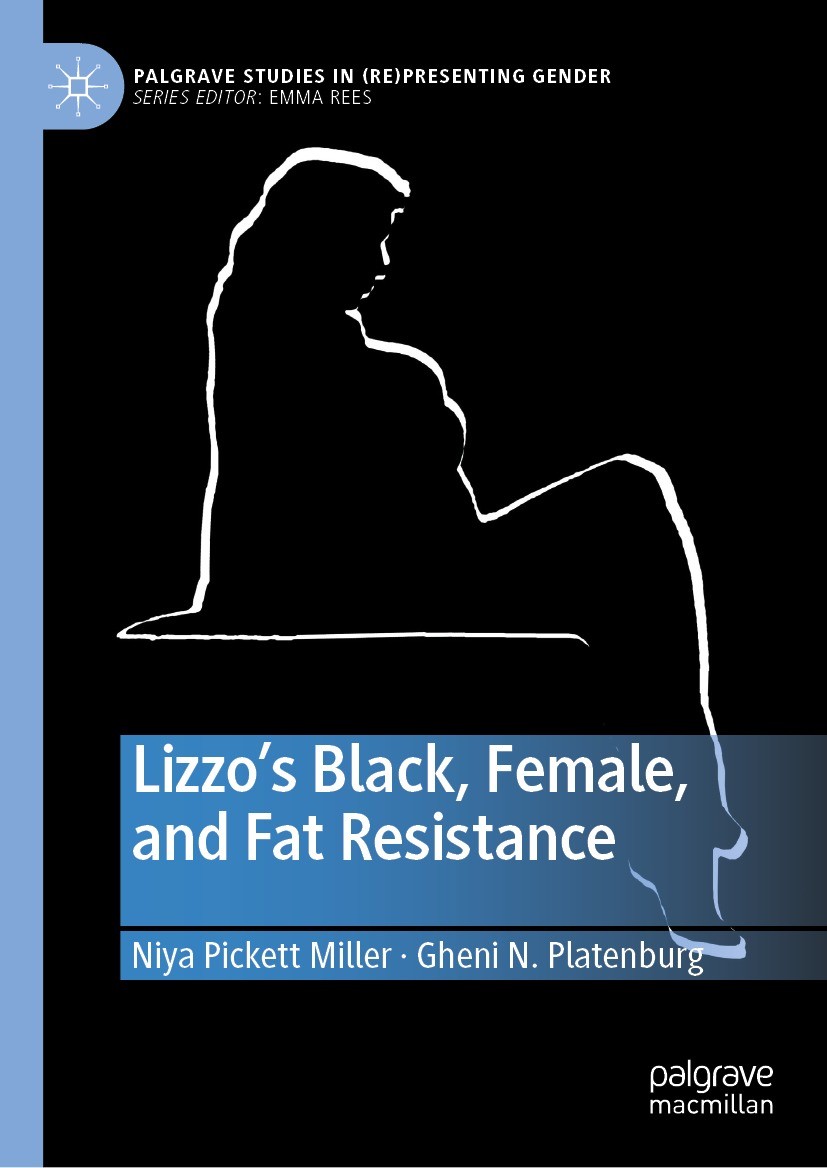
Lizzo’s Black, Female, and Fat Resistance [electronic resource] / by Niya Pickett Miller, Gheni N. Platenburg.
Erişim Adresi
ISBN
9783030737627
Dil Kodu
İngilizce
Yer Numarası
EK/4459
Yazar
Basım Bildirimi
1st ed. 2021.
Yayın Bilgisi
Cham : Springer International Publishing : Imprint: Palgrave Macmillan, 2021.
Fiziksel Niteleme
VI, 72 p. 1 illus. online resource.
Dizi
Palgrave Studies in (Re)Presenting Gender, 2662-9372
İçindekiler Notu
Chapter 1. Introduction -- Chapter 2. Fat Black Female Flaunting -- Chapter 3. So what, it’s Lizzo? .
Özet, vb.
“What does it mean to flaunt a body which refuses to be shamed? This timely and important study explores the singer-songwriter and musician, Lizzo’s ‘flaunting’ as an emancipatory act. A central concern of the book is how Lizzo energises an intersectional space of Black, Fat, and Female through her hyper-embodiment: it addresses a serious shortfall of meaningful and sustained intersectional analysis without which any understanding of social justice and embodiment is dangerously lacking. A good read for scholars of weight, race, celebrity culture and those interested in new configurations of stigma.” — Jayne Raisborough, Professor of Media and Cultural Studies, Leeds Beckett University, UK, and author of Fat Bodies, Health and the Media (2016) Celebrated musician and entertainer Lizzo wowed audiences and left many “feeling good as hell.” Notwithstanding her collective—fat, Black female— identity she catapulted into mainstream success while redefining the social script for body size, race, and gender. This book explores a tale of two narratives: Lizzo’s self-curated, fat-positive identity and the media’s reaction to an unabashedly proud fat, Black woman. This critical analysis examines how Lizzo challenges fatphobia and reconstitutes fat stigmatization into self-empowerment through her strategic use of hyper-embodiment via social media, and the rhetorical distinctions between Lizzo’s self-curated narrative via social media and those offered about her in print media. In part, Lizzo’s bodily flaunting is argued as a significant rhetorical act that emancipates her identity of fatness and reframes the negative tropes of (fat) Black women typically curated in American culture. Niya Pickett Miller, Ph.D., is a public speaker and post-doctoral Assistant Professor of Communication Studies in the Department of Communication and Media at Samford University, USA.Her forthcoming edited book (2021) titled, #Verzuz and Club Quarantine: Sustaining Black Music and Black Culture During COVID-19 features curated studies of Black cultural expression and communication through live streamed music on Instagram during the COVID-19 pandemic. Her 2020 book, Deconstructing Albinism as the Other, explores the visual tropes of people with albinism in American popular culture. Gheni N. Platenburg, Ph.D., is an Assistant Professor in the School of Communication and Journalism at Auburn University, USA, where she teaches multimedia journalism courses. Her research interests primarily fall at the intersection of race and media. Her co-authored research has been published in the peer-reviewed Journal of Black Studies. Currently, she works as a freelance journalist for The Washington Post Talent Network.
Konu
Gender identity in mass media.
Race.
Popular music.
Mass media and culture.
Celebrities.
Popular Culture.
Media and Gender.
Race and Ethnicity Studies.
Popular Music.
Media Culture.
Celebrity Studies.
Popular Culture.
Race.
Popular music.
Mass media and culture.
Celebrities.
Popular Culture.
Media and Gender.
Race and Ethnicity Studies.
Popular Music.
Media Culture.
Celebrity Studies.
Popular Culture.
Diğer Yazarlar
Kurum Adı
Eseri Alıntıla
Referansları kullanmadan önce gözden geçirmeniz ve varsa gerekli düzeltmeleri yapmanız önerilir.
Dijital Kaynak
MARC Görünümü
LEADER 05104nam a22006375i 4500
001 841164
003 TR_AnAIT
005 20260715031533
007 cr nn 008mamaa
008 210429s2021 sz | s |||| 0|eng d
020 |a9783030737627|9978-3-030-73762-7
024 7 |a10.1007/978-3-030-73762-7|2doi
041 |aeng
049 |aTürk Dil Kurumu Kütüphanesi
050 4|aP96.G44-.G442
072 7|aJFD|2bicssc
072 7|aJFSJ|2bicssc
072 7|aSOC052000|2bisacsh
072 7|aJBCT|2thema
072 7|aJBSF|2thema
082 04|a302.23|223
082 04|a305.3|223
090 |aEK/4459
100 1 |aPickett Miller, Niya.|eauthor.|4aut|4http://id.loc.gov/vocabulary/relators/aut
245 10|aLizzo’s Black, Female, and Fat Resistance|h[electronic resource] /|cby Niya Pickett Miller, Gheni N. Platenburg.
250 |a1st ed. 2021.
264 1|aCham :|bSpringer International Publishing :|bImprint: Palgrave Macmillan,|c2021.
300 |aVI, 72 p. 1 illus.|bonline resource.
336 |atext|btxt|2rdacontent
337 |acomputer|bc|2rdamedia
338 |aonline resource|bcr|2rdacarrier
347 |atext file|bPDF|2rda
490 1 |aPalgrave Studies in (Re)Presenting Gender,|x2662-9372
505 0 |aChapter 1. Introduction -- Chapter 2. Fat Black Female Flaunting -- Chapter 3. So what, it’s Lizzo? .
520 |a“What does it mean to flaunt a body which refuses to be shamed? This timely and important study explores the singer-songwriter and musician, Lizzo’s ‘flaunting’ as an emancipatory act. A central concern of the book is how Lizzo energises an intersectional space of Black, Fat, and Female through her hyper-embodiment: it addresses a serious shortfall of meaningful and sustained intersectional analysis without which any understanding of social justice and embodiment is dangerously lacking. A good read for scholars of weight, race, celebrity culture and those interested in new configurations of stigma.” — Jayne Raisborough, Professor of Media and Cultural Studies, Leeds Beckett University, UK, and author of Fat Bodies, Health and the Media (2016) Celebrated musician and entertainer Lizzo wowed audiences and left many “feeling good as hell.” Notwithstanding her collective—fat, Black female— identity she catapulted into mainstream success while redefining the social script for body size, race, and gender. This book explores a tale of two narratives: Lizzo’s self-curated, fat-positive identity and the media’s reaction to an unabashedly proud fat, Black woman. This critical analysis examines how Lizzo challenges fatphobia and reconstitutes fat stigmatization into self-empowerment through her strategic use of hyper-embodiment via social media, and the rhetorical distinctions between Lizzo’s self-curated narrative via social media and those offered about her in print media. In part, Lizzo’s bodily flaunting is argued as a significant rhetorical act that emancipates her identity of fatness and reframes the negative tropes of (fat) Black women typically curated in American culture. Niya Pickett Miller, Ph.D., is a public speaker and post-doctoral Assistant Professor of Communication Studies in the Department of Communication and Media at Samford University, USA.Her forthcoming edited book (2021) titled, #Verzuz and Club Quarantine: Sustaining Black Music and Black Culture During COVID-19 features curated studies of Black cultural expression and communication through live streamed music on Instagram during the COVID-19 pandemic. Her 2020 book, Deconstructing Albinism as the Other, explores the visual tropes of people with albinism in American popular culture. Gheni N. Platenburg, Ph.D., is an Assistant Professor in the School of Communication and Journalism at Auburn University, USA, where she teaches multimedia journalism courses. Her research interests primarily fall at the intersection of race and media. Her co-authored research has been published in the peer-reviewed Journal of Black Studies. Currently, she works as a freelance journalist for The Washington Post Talent Network.
650 0|aGender identity in mass media.
650 0|aRace.
650 0|aPopular music.
650 0|aMass media and culture.
650 0|aCelebrities.
650 0|aPopular Culture.
650 14|aMedia and Gender.
650 24|aRace and Ethnicity Studies.
650 24|aPopular Music.
650 24|aMedia Culture.
650 24|aCelebrity Studies.
650 24|aPopular Culture.
700 1 |aPlatenburg, Gheni N.|eauthor.|4aut|4http://id.loc.gov/vocabulary/relators/aut
710 2 |aSpringerLink (Online service)
773 0 |tSpringer Nature eBook
776 08|iPrinted edition:|z9783030737610
776 08|iPrinted edition:|z9783030737634
776 08|iPrinted edition:|z9783030737641
830 0|aPalgrave Studies in (Re)Presenting Gender,|x2662-9372
856 40|uhttps://doi.org/10.1007/978-3-030-73762-7
912 |aZDB-2-LCM
912 |aZDB-2-SXL
950 |aLiterature, Cultural and Media Studies (SpringerNature-41173)
950 |aLiterature, Cultural and Media Studies (R0) (SpringerNature-43723)
001 841164
003 TR_AnAIT
005 20260715031533
007 cr nn 008mamaa
008 210429s2021 sz | s |||| 0|eng d
020 |a9783030737627|9978-3-030-73762-7
024 7 |a10.1007/978-3-030-73762-7|2doi
041 |aeng
049 |aTürk Dil Kurumu Kütüphanesi
050 4|aP96.G44-.G442
072 7|aJFD|2bicssc
072 7|aJFSJ|2bicssc
072 7|aSOC052000|2bisacsh
072 7|aJBCT|2thema
072 7|aJBSF|2thema
082 04|a302.23|223
082 04|a305.3|223
090 |aEK/4459
100 1 |aPickett Miller, Niya.|eauthor.|4aut|4http://id.loc.gov/vocabulary/relators/aut
245 10|aLizzo’s Black, Female, and Fat Resistance|h[electronic resource] /|cby Niya Pickett Miller, Gheni N. Platenburg.
250 |a1st ed. 2021.
264 1|aCham :|bSpringer International Publishing :|bImprint: Palgrave Macmillan,|c2021.
300 |aVI, 72 p. 1 illus.|bonline resource.
336 |atext|btxt|2rdacontent
337 |acomputer|bc|2rdamedia
338 |aonline resource|bcr|2rdacarrier
347 |atext file|bPDF|2rda
490 1 |aPalgrave Studies in (Re)Presenting Gender,|x2662-9372
505 0 |aChapter 1. Introduction -- Chapter 2. Fat Black Female Flaunting -- Chapter 3. So what, it’s Lizzo? .
520 |a“What does it mean to flaunt a body which refuses to be shamed? This timely and important study explores the singer-songwriter and musician, Lizzo’s ‘flaunting’ as an emancipatory act. A central concern of the book is how Lizzo energises an intersectional space of Black, Fat, and Female through her hyper-embodiment: it addresses a serious shortfall of meaningful and sustained intersectional analysis without which any understanding of social justice and embodiment is dangerously lacking. A good read for scholars of weight, race, celebrity culture and those interested in new configurations of stigma.” — Jayne Raisborough, Professor of Media and Cultural Studies, Leeds Beckett University, UK, and author of Fat Bodies, Health and the Media (2016) Celebrated musician and entertainer Lizzo wowed audiences and left many “feeling good as hell.” Notwithstanding her collective—fat, Black female— identity she catapulted into mainstream success while redefining the social script for body size, race, and gender. This book explores a tale of two narratives: Lizzo’s self-curated, fat-positive identity and the media’s reaction to an unabashedly proud fat, Black woman. This critical analysis examines how Lizzo challenges fatphobia and reconstitutes fat stigmatization into self-empowerment through her strategic use of hyper-embodiment via social media, and the rhetorical distinctions between Lizzo’s self-curated narrative via social media and those offered about her in print media. In part, Lizzo’s bodily flaunting is argued as a significant rhetorical act that emancipates her identity of fatness and reframes the negative tropes of (fat) Black women typically curated in American culture. Niya Pickett Miller, Ph.D., is a public speaker and post-doctoral Assistant Professor of Communication Studies in the Department of Communication and Media at Samford University, USA.Her forthcoming edited book (2021) titled, #Verzuz and Club Quarantine: Sustaining Black Music and Black Culture During COVID-19 features curated studies of Black cultural expression and communication through live streamed music on Instagram during the COVID-19 pandemic. Her 2020 book, Deconstructing Albinism as the Other, explores the visual tropes of people with albinism in American popular culture. Gheni N. Platenburg, Ph.D., is an Assistant Professor in the School of Communication and Journalism at Auburn University, USA, where she teaches multimedia journalism courses. Her research interests primarily fall at the intersection of race and media. Her co-authored research has been published in the peer-reviewed Journal of Black Studies. Currently, she works as a freelance journalist for The Washington Post Talent Network.
650 0|aGender identity in mass media.
650 0|aRace.
650 0|aPopular music.
650 0|aMass media and culture.
650 0|aCelebrities.
650 0|aPopular Culture.
650 14|aMedia and Gender.
650 24|aRace and Ethnicity Studies.
650 24|aPopular Music.
650 24|aMedia Culture.
650 24|aCelebrity Studies.
650 24|aPopular Culture.
700 1 |aPlatenburg, Gheni N.|eauthor.|4aut|4http://id.loc.gov/vocabulary/relators/aut
710 2 |aSpringerLink (Online service)
773 0 |tSpringer Nature eBook
776 08|iPrinted edition:|z9783030737610
776 08|iPrinted edition:|z9783030737634
776 08|iPrinted edition:|z9783030737641
830 0|aPalgrave Studies in (Re)Presenting Gender,|x2662-9372
856 40|uhttps://doi.org/10.1007/978-3-030-73762-7
912 |aZDB-2-LCM
912 |aZDB-2-SXL
950 |aLiterature, Cultural and Media Studies (SpringerNature-41173)
950 |aLiterature, Cultural and Media Studies (R0) (SpringerNature-43723)
Materyaller
Depodan talep edilen materyal sadece kütüphane içerisinde kullanılmaktadır.
Materyal dışarıya ödünç verilmemektedir.
Materyal dışarıya ödünç verilmemektedir.
