LEADER 04052nam a22006015i 4500
001 841171
003 TR_AnAIT
005 20260715031523
007 cr nn 008mamaa
008 220321s2022 sz | s |||| 0|eng d
020 |a9783030818197|9978-3-030-81819-7
024 7 |a10.1007/978-3-030-81819-7|2doi
041 |aeng
049 |aTürk Dil Kurumu Kütüphanesi
050 4|aZ4-15.2
072 7|aGL|2bicssc
072 7|aLAN025000|2bisacsh
072 7|aGL|2thema
082 04|a002.09|223
090 |aEK/4529
100 1 |aParush, Iris.|eauthor.|4aut|4http://id.loc.gov/vocabulary/relators/aut
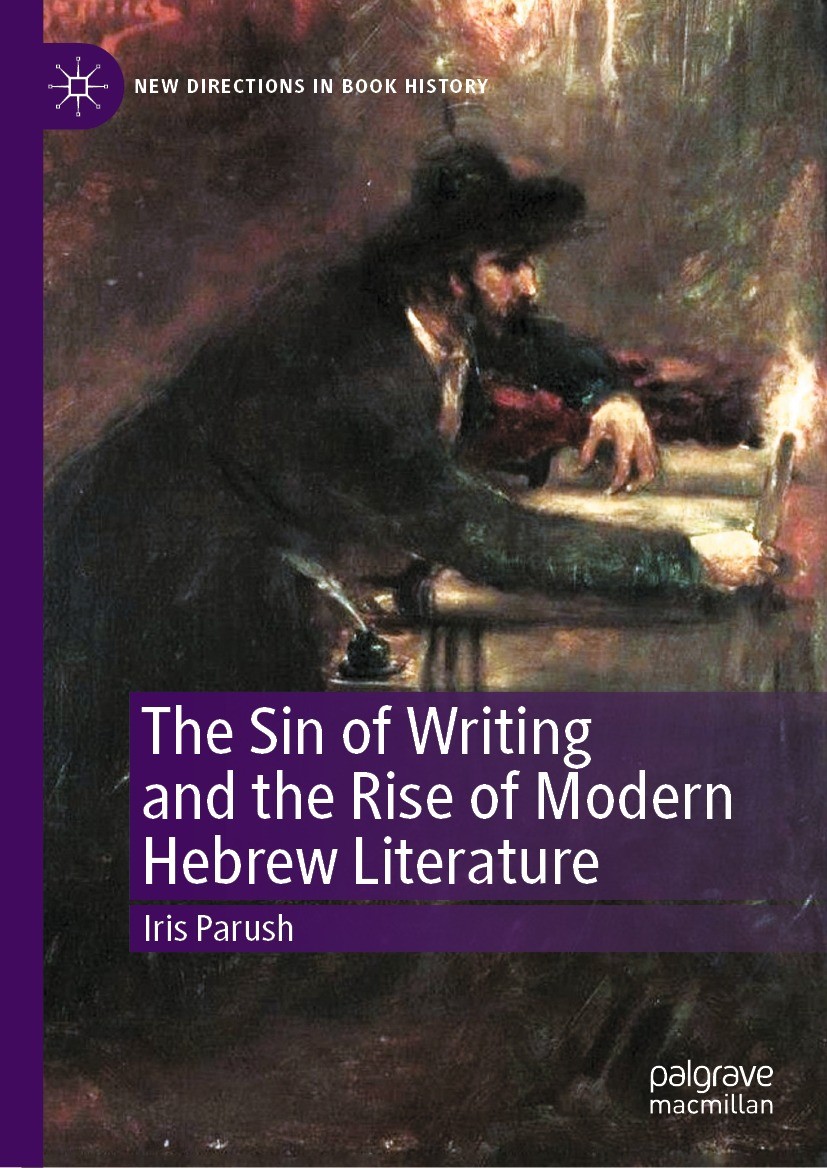
245 14|aThe Sin of Writing and the Rise of Modern Hebrew Literature|h[electronic resource] /|cby Iris Parush.
250 |a1st ed. 2022.
264 1|aCham :|bSpringer International Publishing :|bImprint: Palgrave Macmillan,|c2022.
300 |aXVIII, 407 p. 1 illus.|bonline resource.
336 |atext|btxt|2rdacontent
337 |acomputer|bc|2rdamedia
338 |aonline resource|bcr|2rdacarrier
347 |atext file|bPDF|2rda
490 1 |aNew Directions in Book History,|x2634-6125
505 0 |a1. Introduction -- 2. Literacy: Theory, Methodology, Ethnography -- 3. Reading without Writing and the Myth of Universal Literacy in Nineteenth-Century Eastern European Jewish Society -- 4. The Primacy of Speech over Writing in Hasidic Society -- 5. The Primacy of Speech over Writing in Mintagdic Society -- 6. The Written Torah and the Oral Torah: Class, Gender, and the Cultural Images of the Corpora -- 7. Intentional Ignorance of the Hebrew Language -- 8. From Mother Tongue to Father Tongue: The Study of Grammar, Reading, and Writing in Hebrew as a Male Maskilic Rite of Passage -- 9. “I Made Myself a Notebook of Blank Paper”: The Sin of Writing and the Constitution of the Subject -- 10. Epilogue: Writing, Tradition, and Modernity in Only for the Lord Alone by S. Y. Agnon.
520 |aThe Sin of Writing and the Rise of Modern Hebrew Literature contends that the processes of enlightenment, modernization, and secularization in nineteenth-century Eastern European Jewish society were marked not by a reading revolution but rather by a writing revolution, that is, by a revolutionary change in this society's attitude toward writing. Combining socio-cultural history and literary studies and drawing on a large corpus of autobiographies, memoirs, and literary works of the period, the book sets out to explain the curious absence of writing skills and Hebrew grammar from the curriculum of the traditional Jewish education system in Eastern Europe. It shows that traditional Jewish society maintained a conspicuously oral literacy culture, colored by fears of writing and suspicions toward publication. It is against this background that the young yeshiva students undergoing enlightenment started to “sin by writing,” turning writing and publication in Hebrew into the cornerstone of their constitution as autonomous, enlightened, male Jewish subjects, and setting the foundations for the rise of modern Hebrew literature.
650 0|aBooks|xHistory.
650 0|aLiterature, Modern|x19th century.
650 0|aEuropean literature.
650 0|aJews|xStudy and teaching.
650 0|aPrinting.
650 0|aPublishers and publishing.
650 0|aEconomics and literature.
650 14|aHistory of the Book.
650 24|aNineteenth-Century Literature.
650 24|aEuropean Literature.
650 24|aJewish Studies.
650 24|aPrinting and Publishing.
650 24|aLiterature Business.
710 2 |aSpringerLink (Online service)
773 0 |tSpringer Nature eBook
776 08|iPrinted edition:|z9783030818180
776 08|iPrinted edition:|z9783030818203
776 08|iPrinted edition:|z9783030818210
830 0|aNew Directions in Book History,|x2634-6125
856 40|uhttps://doi.org/10.1007/978-3-030-81819-7
912 |aZDB-2-LCM
912 |aZDB-2-SXL
950 |aLiterature, Cultural and Media Studies (SpringerNature-41173)
950 |aLiterature, Cultural and Media Studies (R0) (SpringerNature-43723)