LEADER 04241nam a22006135i 4500
001 841185
003 TR_AnAIT
005 20260715031500
007 cr nn 008mamaa
008 230830s2023 sz | s |||| 0|eng d
020 |a9783031367168|9978-3-031-36716-8
024 7 |a10.1007/978-3-031-36716-8|2doi
041 |aeng
049 |aTürk Dil Kurumu Kütüphanesi
050 4|aML159-3785
072 7|aAV|2bicssc
072 7|aHBT|2bicssc
072 7|aMUS020000|2bisacsh
072 7|aAVM|2thema
082 04|a780.9|223
090 |aEK/4386
100 1 |aHepburn, Christopher.|eauthor.|4aut|4http://id.loc.gov/vocabulary/relators/aut
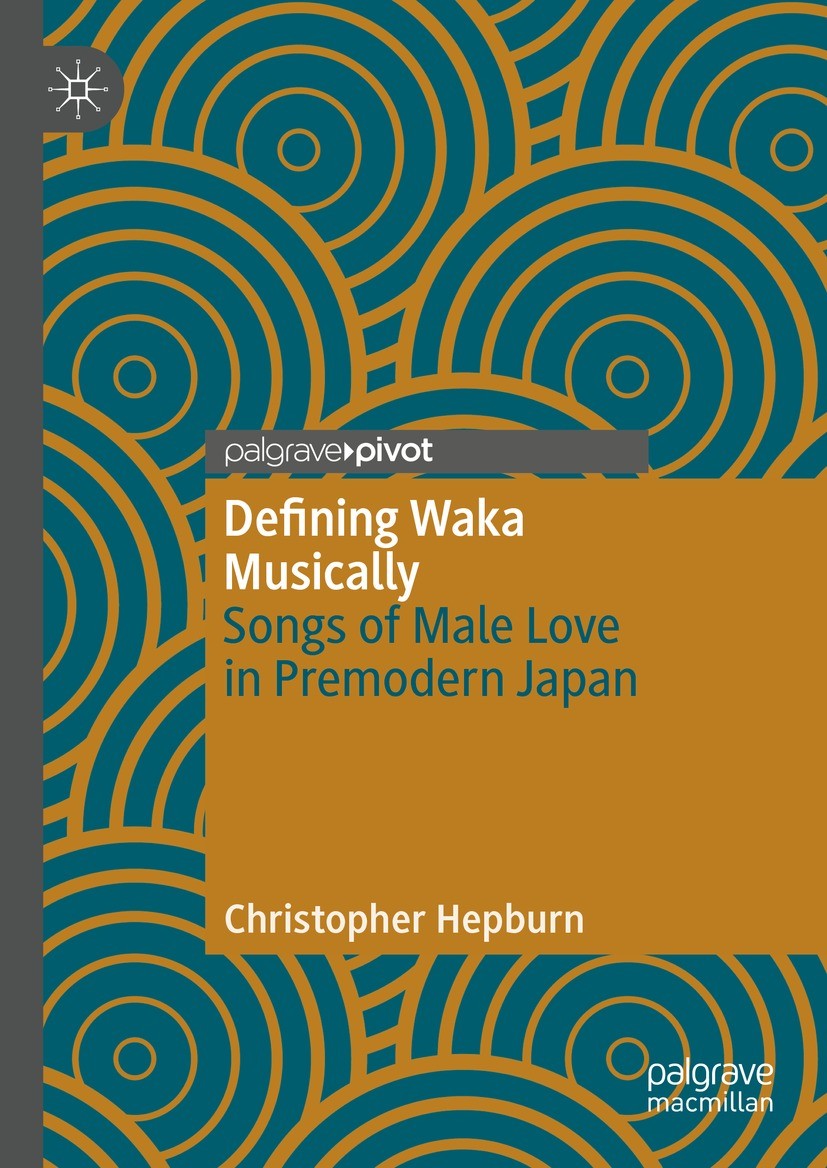
245 10|aDefining Waka Musically|h[electronic resource] :|bSongs of Male Love in Premodern Japan /|cby Christopher Hepburn.
250 |a1st ed. 2023.
264 1|aCham :|bSpringer Nature Switzerland :|bImprint: Palgrave Macmillan,|c2023.
300 |aXXIII, 100 p. 12 illus.|bonline resource.
336 |atext|btxt|2rdacontent
337 |acomputer|bc|2rdamedia
338 |aonline resource|bcr|2rdacarrier
341 0 |bTable of contents navigation|2onix
341 0 |bSingle logical reading order|2onix
341 0 |bShort alternative textual descriptions|2onix
341 0 |bUse of color is not sole means of conveying information|2onix
341 0 |bUse of high contrast between text and background color|2onix
341 0 |bNext / Previous structural navigation|2onix
341 0 |bAll non-decorative content supports reading without sight|2onix
347 |atext file|bPDF|2rda
505 0 |a1: Cursed Questions, or An Introduction to Defining Waka Musically -- 2: Foreplay, or On Defining Waka Musically -- 3: Fluid Mechanics, or On Interpreting Waka Musically -- 4: Liquid Love, or Five Premodern Japanese Songs of Male Love -- 5: Dissolve, or On Revisiting Defining Waka Musically.
520 |aThis book considers how music, musicality, and ideologies of musicality are working within the specific construction of waka on the theme of male love in Kitamura Kigin’s Iwatsutsuji (1676) and Ihara Saikaku’s Nanshoku ōkagami (1687) by using a modified generative theory of music. This modified theory seeks to get at the interdependent meanings that may exist among the music, image, and the text of the waka in question. In all, this study guides the reader through five waka on the theme of male love and demonstrates not only how each waka is inherently musical but how the image and text may interdependently relate to the ways in which premodern Japanese song poets may not only have thought in and with sound but may have also utilized a diverse array of musical gestures to construct new objects of knowledge. In the case of this study, these new objects of knowledge seem to have aided in situating a changing musicopoetics that aligned with changing constructions of male desire. .
532 8 |aAccessibility summary: This PDF does not fully comply with PDF/UA standards, but does feature limited screen reader support, described non-text content (images, graphs), bookmarks for easy navigation and searchable, selectable text. Users of assistive technologies may experience difficulty navigating or interpreting content in this document. We recognize the importance of accessibility, and we welcome queries about accessibility for any of our products. If you have a question or an access need, please get in touch with us at accessibilitysupport@springernature.com.
532 8 |aNo reading system accessibility options actively disabled
532 8 |aPublisher contact for further accessibility information: accessibilitysupport@springernature.com
650 0|aMusic|xHistory and criticism.
650 0|aJapan|xHistory.
650 0|aOriental literature.
650 14|aHistory of Music.
650 24|aHistory of Japan.
650 24|aAsian Literature.
710 2 |aSpringerLink (Online service)
773 0 |tSpringer Nature eBook
776 08|iPrinted edition:|z9783031367151
776 08|iPrinted edition:|z9783031367175
856 40|uhttps://doi.org/10.1007/978-3-031-36716-8
912 |aZDB-2-LCM
912 |aZDB-2-SXL
950 |aLiterature, Cultural and Media Studies (SpringerNature-41173)
950 |aLiterature, Cultural and Media Studies (R0) (SpringerNature-43723)