LEADER 04001nam a22005175i 4500
001 841191
003 TR_AnAIT
005 20260715031456
007 cr nn 008mamaa
008 170331s2017 sz | s |||| 0|eng d
020 |a9783319495507|9978-3-319-49550-7
024 7 |a10.1007/978-3-319-49550-7|2doi
041 |aeng
049 |aTürk Dil Kurumu Kütüphanesi
050 4|aPN760.5-769
072 7|aDSBF|2bicssc
072 7|aLIT024040|2bisacsh
072 7|aDSBF|2thema
082 04|a809.034|223
090 |aEK/4499
100 1 |aKingstone, Helen.|eauthor.|4aut|4http://id.loc.gov/vocabulary/relators/aut
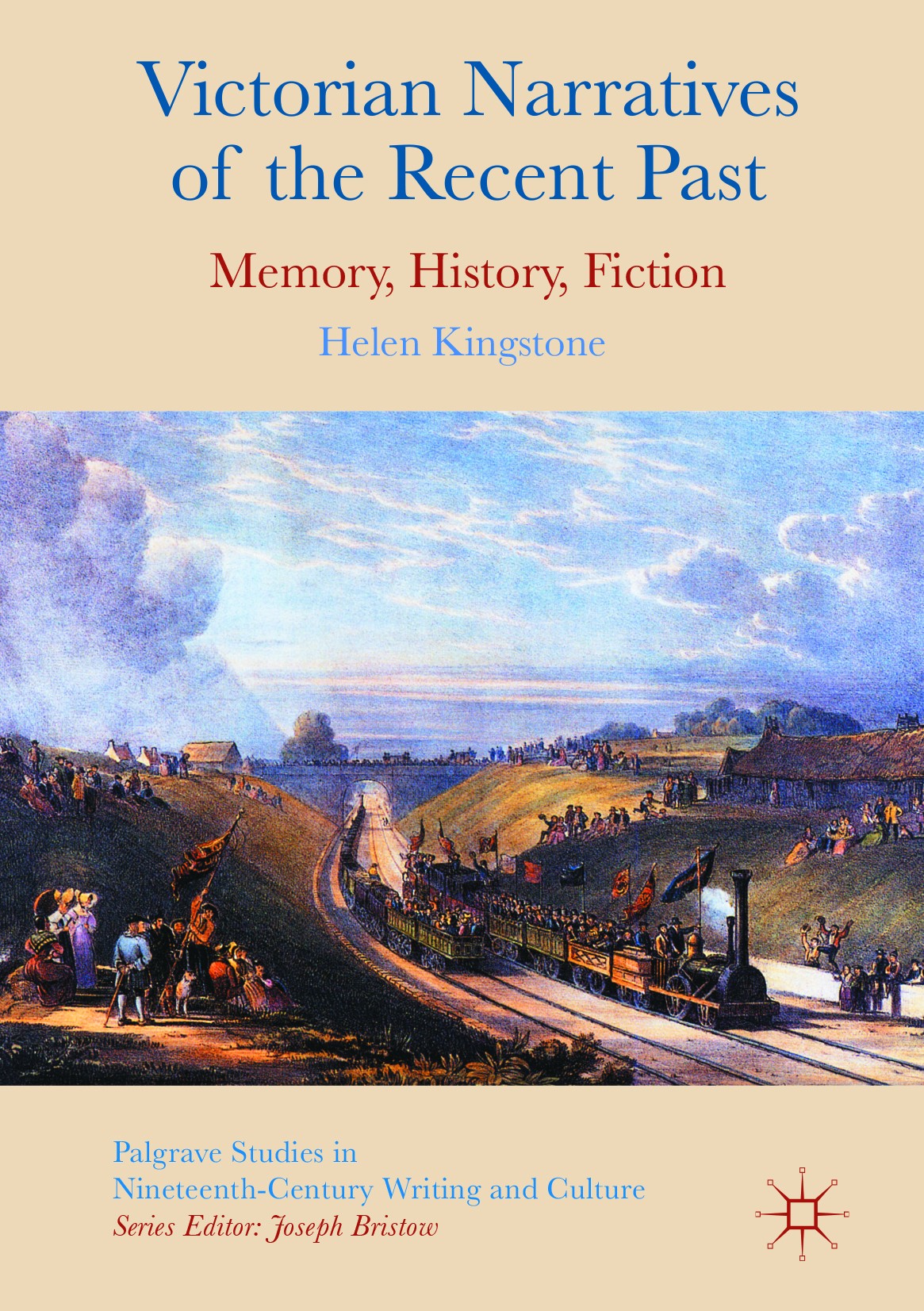
245 10|aVictorian Narratives of the Recent Past|h[electronic resource] :|bMemory, History, Fiction /|cby Helen Kingstone.
250 |a1st ed. 2017.
264 1|aCham :|bSpringer International Publishing :|bImprint: Palgrave Macmillan,|c2017.
300 |aX, 244 p. 2 illus.|bonline resource.
336 |atext|btxt|2rdacontent
337 |acomputer|bc|2rdamedia
338 |aonline resource|bcr|2rdacarrier
347 |atext file|bPDF|2rda
490 1 |aPalgrave Studies in Nineteenth-Century Writing and Culture,|x2634-6508
505 0 |aIntroduction: Who’s afraid of contemporary history? -- Part I: A conceptual framework -- Chapter 2. History as a temporal continuum: from Walter Scott to William Stubbs -- Chapter 3. The social continuum: history without heroes from William Hazlitt to J. R. Seeley -- Chapter 4. Gendered Genres: professional history vs. antiquarianism and the historical novel -- Part II: Victorian historians and the recent past: Harriet Martineau, J. R. Green, Spencer Walpole and Charlotte M. Yonge -- Chapter 5. Immersion and overview in histories without hindsight -- Chapter 6. Power to the people? Proto-social history -- Part III: Victorian novelists and the recent past: Walter Scott, Charlotte Brontë, Elizabeth Gaskell and George Eliot -- Chapter 7. In defence of living memory: “sixty years since” or less -- Chapter 8. “Unhistoric” individuals in the provincial novel -- Conclusions -- .
520 |aThis book explains why narrating the recent past is always challenging, and shows how it was particularly fraught in the nineteenth century. The legacy of Romantic historicism, the professionalization of the historical discipline, and even the growth of social history, all heightened the stakes. This book brings together Victorian histories and novels to show how these parallel genres responded to the challenges of contemporary history writing in divergent ways. Many historians shrank from engaging with controversial recent events. This study showcases the work of those rare historians who defied convention, including the polymath Harriet Martineau, English nationalist J. R. Green, and liberal enthusiast Spencer Walpole. A striking number of popular Victorian novels are retrospective. This book argues that Charlotte Brontë, Elizabeth Gaskell and George Eliot’s “novels of the recent past” are long overdue recognition as genuinely historical novels. By focusing on provincial communities, these novelists reveal undercurrents invisible to national narratives, and intervene in debates about women’s contribution to history.
650 0|aLiterature, Modern|x19th century.
650 0|aLiterature|xHistory and criticism.
650 0|aIntellectual life|xHistory.
650 14|aNineteenth-Century Literature.
650 24|aLiterary History.
650 24|aIntellectual History.
710 2 |aSpringerLink (Online service)
773 0 |tSpringer Nature eBook
776 08|iPrinted edition:|z9783319495491
776 08|iPrinted edition:|z9783319495514
776 08|iPrinted edition:|z9783319841861
830 0|aPalgrave Studies in Nineteenth-Century Writing and Culture,|x2634-6508
856 40|uhttps://doi.org/10.1007/978-3-319-49550-7
912 |aZDB-2-LCM
912 |aZDB-2-SXL
950 |aLiterature, Cultural and Media Studies (SpringerNature-41173)
950 |aLiterature, Cultural and Media Studies (R0) (SpringerNature-43723)