LEADER 03215nam a22005775i 4500
001 841224
003 TR_AnAIT
005 20260715031227
007 cr nn 008mamaa
008 200921s2020 sz | s |||| 0|eng d
020 |a9783030481346|9978-3-030-48134-6
024 7 |a10.1007/978-3-030-48134-6|2doi
041 |aeng
049 |aTürk Dil Kurumu Kütüphanesi
050 4|aPN661-694
072 7|aDSBB|2bicssc
072 7|aLIT011000|2bisacsh
072 7|aDSBB|2thema
082 04|a809.02|223
090 |aEK/4303
100 1 |aFox, Michael.|eauthor.|0(orcid)0009-0003-1743-1405|1https://orcid.org/0009-0003-1743-1405|4aut|4http://id.loc.gov/vocabulary/relators/aut
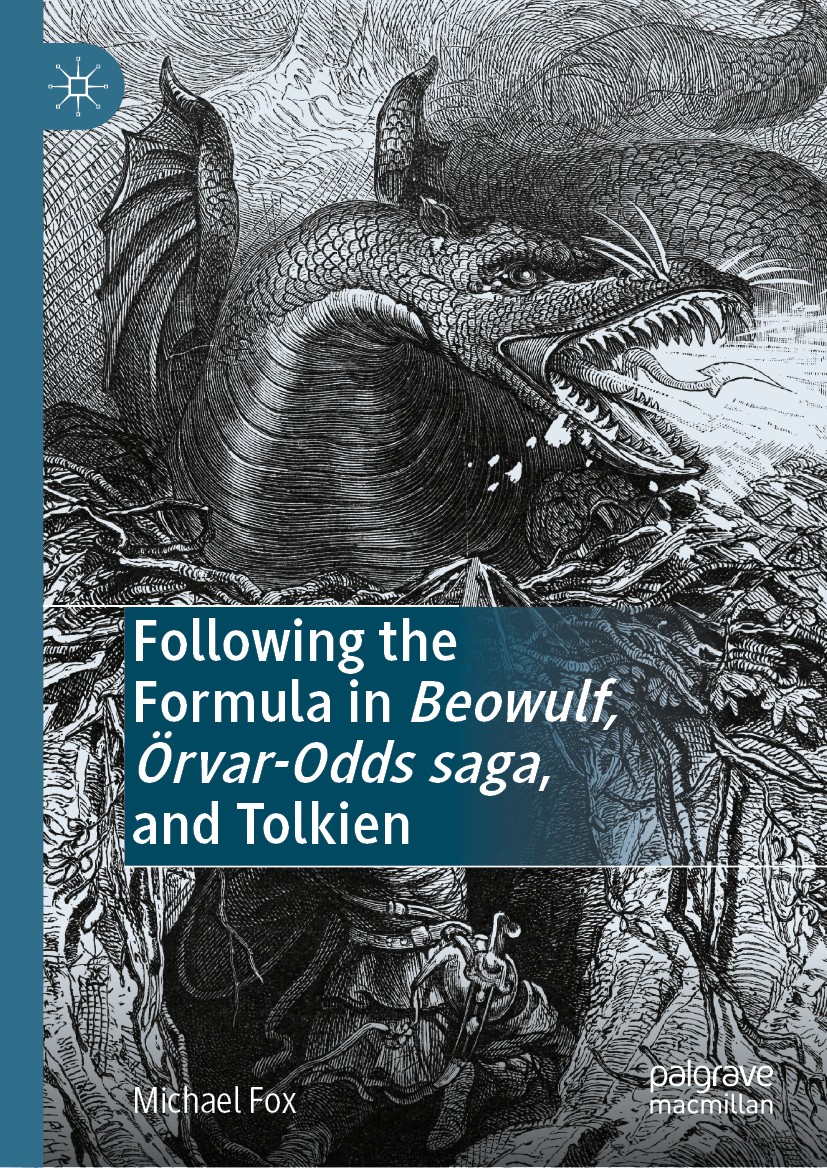
245 10|aFollowing the Formula in Beowulf, Örvar-Odds saga, and Tolkien|h[electronic resource] /|cby Michael Fox.
250 |a1st ed. 2020.
264 1|aCham :|bSpringer International Publishing :|bImprint: Palgrave Macmillan,|c2020.
300 |aXIV, 250 p. 2 illus.|bonline resource.
336 |atext|btxt|2rdacontent
337 |acomputer|bc|2rdamedia
338 |aonline resource|bcr|2rdacarrier
347 |atext file|bPDF|2rda
505 0 |a1. Chapter 1: Beowulf and Formula -- 2. Chapter 2: The Half-Line Formula: weox under wolcnum (8a) -- 3. Chapter 3: The Fitt Formula: Genesis and Fitt 1 -- 4. Chapter 4: The Digressive Formula: The Sigemund-Heremod Digression -- 5. Chapter 5: The Folktale Formula: Beowulf and Örvar-Odds saga -- 6. Chapter 6: The Formula Reformulated: Sellic Spell and The Hobbit -- 7. Conclusion.
520 |aFollowing the Formula in Beowulf, Örvar-Odds saga, and Tolkien proposes that Beowulf was composed according to a formula. Michael Fox imagines the process that generated the poem and provides a model for reading it, extending this model to investigate formula in a half-line, a fitt, a digression, and a story-pattern or folktale, including the Old-Norse Icelandic Örvar-Odds saga. Fox also explores how J. R. R. Tolkien used the same formula to write Sellic Spell and The Hobbit. This investigation uncovers relationships between oral and literate composition, between mechanistic composition and author, and between listening and reading audiences, arguing for a contemporary relevance for Beowulf in thinking about the creative process.
650 0|aLiterature, Medieval.
650 0|aClassical literature.
650 0|aLiterature, Ancient.
650 0|aComparative literature.
650 0|aPoetry.
650 0|aTranslating and interpreting.
650 0|aAdaptation (Literary, artistic, etc.).
650 14|aMedieval Literature.
650 24|aClassical and Antique Literature.
650 24|aComparative Literature.
650 24|aPoetry and Poetics.
650 24|aLanguage Translation.
650 24|aAdaptation Studies.
710 2 |aSpringerLink (Online service)
773 0 |tSpringer Nature eBook
776 08|iPrinted edition:|z9783030481339
776 08|iPrinted edition:|z9783030481353
776 08|iPrinted edition:|z9783030481360
856 40|uhttps://doi.org/10.1007/978-3-030-48134-6
912 |aZDB-2-LCM
912 |aZDB-2-SXL
950 |aLiterature, Cultural and Media Studies (SpringerNature-41173)
950 |aLiterature, Cultural and Media Studies (R0) (SpringerNature-43723)