

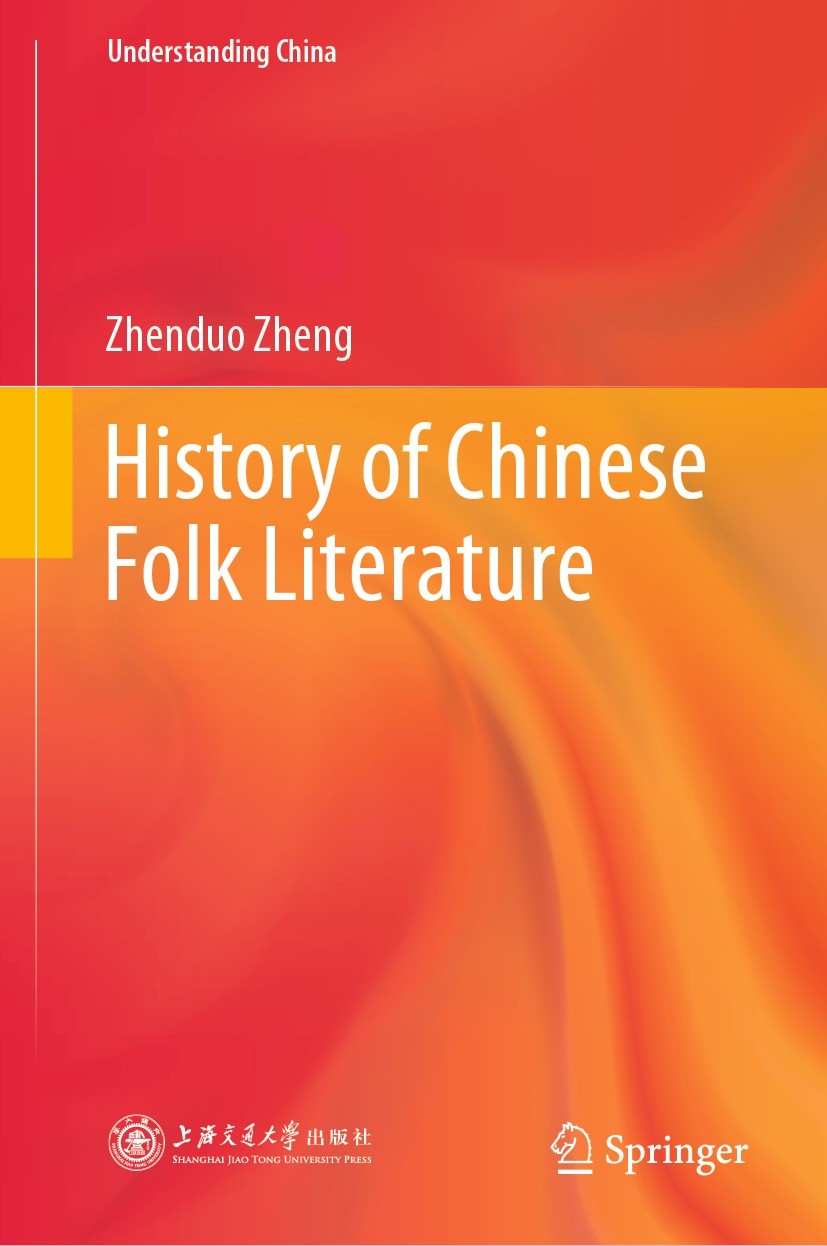
History of Chinese Folk Literature [electronic resource] / by Zhenduo Zheng.
Erişim Adresi
ISBN
9789811654459
Dil Kodu
İngilizce
Yer Numarası
EK/4610
Yazar
Basım Bildirimi
1st ed. 2021.
Yayın Bilgisi
Singapore : Springer Nature Singapore : Imprint: Springer, 2021.
Fiziksel Niteleme
X, 628 p. 8 illus. online resource.
Dizi
Understanding China, 2196-3142
İçindekiler Notu
Chapter 1 What Is Folk Literature? -- Chapter 2 Ancient Ballads -- Chapter 3 Folk Literature in the Han Dynasty -- Chapter 4 Folk Songs in the Six Dynasties -- Chapter 5 Odes and Songs in the Tang Dynasty -- Chapter 6 Bianwen, a Popular Form of Literature in the Tang Dynasty -- Chapter 7 Zajuci, a Popular Literary Form in the Song and Jin Periods -- Chapter 8 Guzici and Zhugongdiao, Popular Literary Forms Featured with Singing and Saying -- Chapter 9 Sanqu, A Type of Verse in the Yuan Dynasty -- Chapter 10 Folk Songs in the Ming Dynasty -- Chapter 11 Baojuan, a Literary Form Featured with Story-telling and Singing -- Chapter 12 Tanci, a Literary Form Featured with Story-telling to the Accompaniment of Stringed Instrument -- Chapter 13 Guci and Zidishu, Popular Literary Forms in the Ming and Qing Dynasties -- Chapter 14 Folk Songs in the Qing Dynasty -- Academical Chronology of Zheng Zhenduo -- Zheng Zhenduo and His History of Chinese Folk Literature.
Özet, vb.
This book mainly addresses the position, function, influence, and values of folk oral literature in the history of Chinese literature. Divided into 14 chapters, it systematically covers central aspects of folklore literature such as ballads, folk songs, Bianwen, Zajuci, Guzici, Zhugongdiao, Sanqu, Baojuan, Tanci, Zidishu, and so on from the Pre-Qin to the late Qing Dynasties, filling several gaps in literary history studies. It is a comprehensive literary work, and many of the materials cited here are rare and difficult to find. In addition, the book proposes some important theories, especially six highly generalized qualities of folk literature, namely that it is: popular, collective, oral, fresh, effusive, and innovative. With detailed, extensive materials, and quotations, the book represents the most systematic and comprehensive work to date on ancient Chinese folk literature. It is mutually complementary with Guowei Wang’s A Textual Research of the Traditional Chinese Opera in the Song and Yuan Dynasties and Xun Lu’s A Brief History of Chinese Fiction; all three works are regarded as the most essential classics for researching the history of Chinese literature.
Konu
Literature __ History and criticism.
China __ History.
Literature __ Philosophy.
Literary History.
History of China.
Literary Theory.
China __ History.
Literature __ Philosophy.
Literary History.
History of China.
Literary Theory.
Kurum Adı
