LEADER 03745nam a22005175i 4500
001 841335
003 TR_AnAIT
005 20260715030617
007 cr nn 008mamaa
008 211030s2021 sz | s |||| 0|eng d
020 |a9783030868451|9978-3-030-86845-1
024 7 |a10.1007/978-3-030-86845-1|2doi
041 |aeng
049 |aTürk Dil Kurumu Kütüphanesi
050 4|aPN770-779
072 7|aDSBH|2bicssc
072 7|aLIT024050|2bisacsh
072 7|aDSBH|2thema
082 04|a809.04|223
090 |aEK/4568
100 1 |aWexler, Joyce.|eauthor.|4aut|4http://id.loc.gov/vocabulary/relators/aut
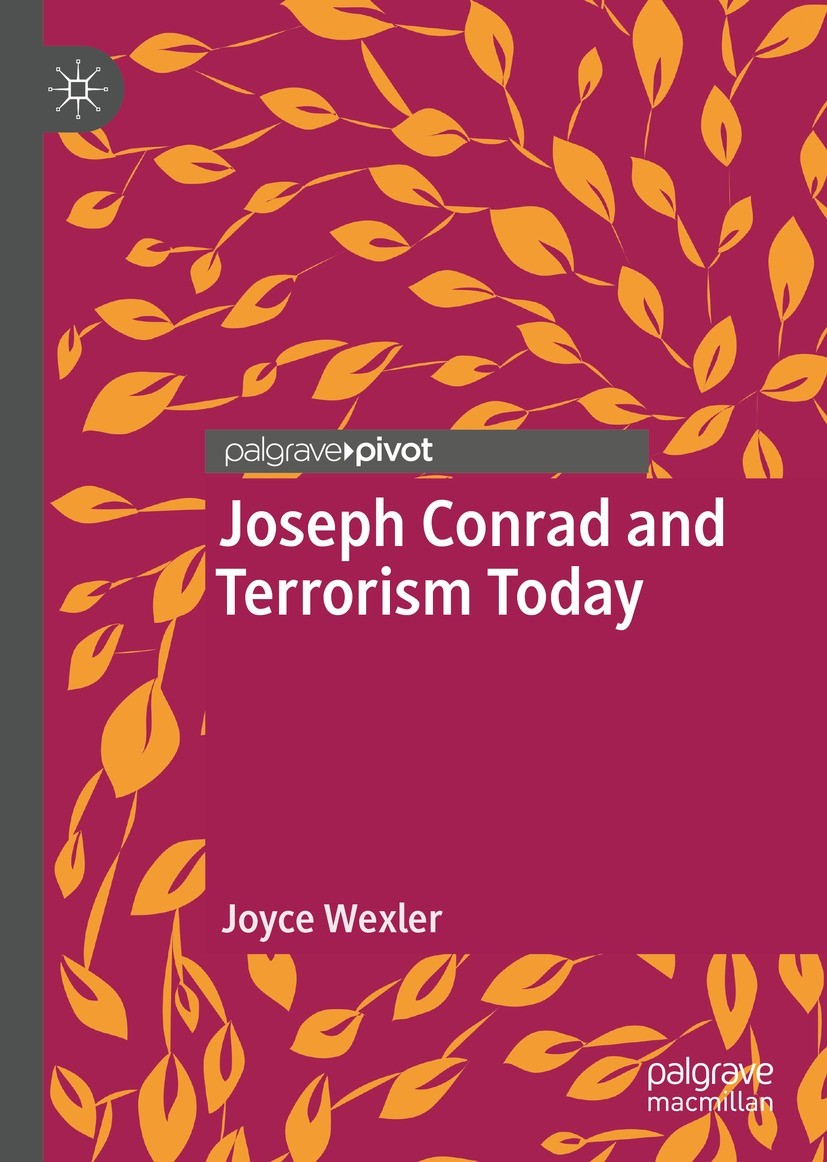
245 10|aJoseph Conrad and Terrorism Today|h[electronic resource] /|cby Joyce Wexler.
250 |a1st ed. 2021.
264 1|aCham :|bSpringer International Publishing :|bImprint: Palgrave Macmillan,|c2021.
300 |aIX, 121 p. 1 illus.|bonline resource.
336 |atext|btxt|2rdacontent
337 |acomputer|bc|2rdamedia
338 |aonline resource|bcr|2rdacarrier
347 |atext file|bPDF|2rda
505 0 |a1. Introduction: Terrorist Fiction, Terrorism Studies, and Postcritique -- 2. Conrad’s Anarchist Tales -- 3. The Secret Agent: Terrorists and Counterterrorists -- 4. Under Western Eyes: Revolutionists and Informers -- 5. Conclusion: Reading Conrad Now.
520 |a“Drawing extensively on contemporary research in Terrorism Studies, Joyce Wexler sheds new light on Conrad’s understanding of the complications and contradictions of this controversial topic. She convincingly demonstrates that many of the disputes about how to read his works reflect disagreements about terrorism—and that more often than not Conrad was right, and his critics wrong. Teachers and students will find this a useful book for many reasons—for the information it provides about Terrorism Studies, for the perspectives it offers on Conrad’s relevance for issues of contemporary concern, for Wexler’s thorough, up-to-date accounts of the Conrad criticism, and for her sensible, detailed readings of often-taught texts.” --Paul Armstrong, Professor of English, Brown University, USA This book explores how the anarchist fiction of Joseph Conrad can help us understand terrorism today. Conrad undermines the popular view that terrorists are fanatics. He portrays anarchists and police as counterparts driven by the human desires for autonomy and affiliation, the need to control their own lives and to be part of a group. Postcritique encourages readers to consider the accuracy of such information, and research in Terrorism Studies confirms Conrad’s insights: his characters are more realistic and his political stance is more hopeful than critics have recognized. Joyce Wexler is Professor Emerita of English at Loyola University Chicago, USA. She is President of the Joseph Conrad Society of America. Her publications include Joseph Conrad and Postcritique (co-edited with Jay Parker), Violence Without God, Who Paid for Modernism, and Laura Riding’s Pursuit of Truth.
650 0|aLiterature, Modern|x20th century.
650 0|aProse literature.
650 0|aEuropean literature.
650 0|aTerrorism.
650 0|aPolitical violence.
650 14|aTwentieth-Century Literature.
650 24|aNarrative Text and Prose.
650 24|aEuropean Literature.
650 24|aTerrorism and Political Violence.
710 2 |aSpringerLink (Online service)
773 0 |tSpringer Nature eBook
776 08|iPrinted edition:|z9783030868444
776 08|iPrinted edition:|z9783030868468
856 40|uhttps://doi.org/10.1007/978-3-030-86845-1
912 |aZDB-2-LCM
912 |aZDB-2-SXL
950 |aLiterature, Cultural and Media Studies (SpringerNature-41173)
950 |aLiterature, Cultural and Media Studies (R0) (SpringerNature-43723)