LEADER 03616nam a22005775i 4500
001 841504
003 TR_AnAIT
005 20260715025823
007 cr nn 008mamaa
008 200408s2020 sz | s |||| 0|eng d
020 |a9783030377786|9978-3-030-37778-6
024 7 |a10.1007/978-3-030-37778-6|2doi
041 |aeng
049 |aTürk Dil Kurumu Kütüphanesi
050 4|aPN851-884
072 7|aDS|2bicssc
072 7|aLIT020000|2bisacsh
072 7|aDSM|2thema
082 04|a809|223
090 |aEK/4748
100 1 |aZhang, Wei.|eauthor.|4aut|4http://id.loc.gov/vocabulary/relators/aut
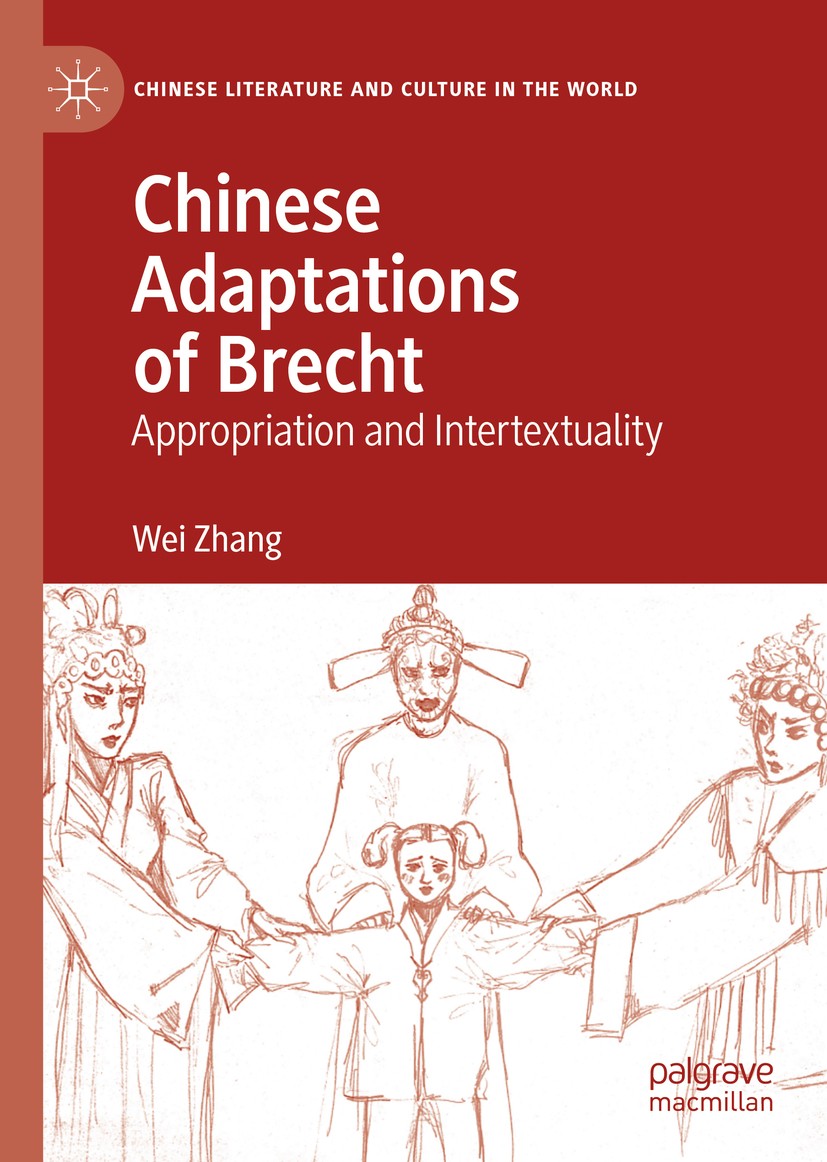
245 10|aChinese Adaptations of Brecht|h[electronic resource] :|bAppropriation and Intertextuality /|cby Wei Zhang.
250 |a1st ed. 2020.
264 1|aCham :|bSpringer International Publishing :|bImprint: Palgrave Macmillan,|c2020.
300 |aXV, 200 p. 6 illus.|bonline resource.
336 |atext|btxt|2rdacontent
337 |acomputer|bc|2rdamedia
338 |aonline resource|bcr|2rdacarrier
347 |atext file|bPDF|2rda
490 1 |aChinese Literature and Culture in the World,|x2945-7262
505 0 |aChapter 1: Introduction -- Chapter 2: One Director, Three Takes: Chen Yong’s Reinterpretations of Life of Galileo, The Caucasian Chalk Circle, and The Threepenny Opera -- Chapter 3 Good Persons of Sichuan, Jiangnan, and Beijing: Brecht’s The Good Person of Szechwan and Chinese Xiqu Adaptations -- Chapter 4: Concentric Circles: Two Chuanju Reinterpretations of The Caucasian Chalk Circle as The Chalk Circle -- Chapter 5: Modernity, Chinese Culture, and Intertextuality: Bertolt Brecht’s Turandot and Wei Minglun’s Chuanju Play Chinese Princess Dulanduo -- Chapter 6: Brecht and Mao Zedong: Two Sides of “The Other Side” and “Twice Removed” Vision of “Snow” -- Chapter 7: Conclusion.
520 |aThis book examines the two-way impacts between Brecht and Chinese culture and drama/theatre, focusing on Chinese theatrical productions since the end of the Cultural Revolution all the way to the first decades of the twenty-first century. Wei Zhang considers how Brecht’s plays have been adapted/appropriated by Chinese theatre artists to speak to the sociopolitical, economic, and cultural developments in China and how such endeavors reflect and result from dynamic interactions between Chinese philosophy, ethics, and aesthetics, especially as embodied in traditional xiqu and the Brechtian concepts of estrangement (Verfremdungseffekt) and political theatre. In examining these Brecht adaptations, Zhang offers an interdisciplinary study that contributes to the fields of comparative drama/theatre studies, intercultural studies, and performance studies.
650 0|aComparative literature.
650 0|aOriental literature.
650 0|aEuropean literature.
650 0|aTheater.
650 0|aEthnology|xAsia.
650 0|aCulture.
650 14|aComparative Literature.
650 24|aAsian Literature.
650 24|aEuropean Literature.
650 24|aGlobal and International Theatre and Performance.
650 24|aAsian Culture.
710 2 |aSpringerLink (Online service)
773 0 |tSpringer Nature eBook
776 08|iPrinted edition:|z9783030377779
776 08|iPrinted edition:|z9783030377793
776 08|iPrinted edition:|z9783030377809
830 0|aChinese Literature and Culture in the World,|x2945-7262
856 40|uhttps://doi.org/10.1007/978-3-030-37778-6
912 |aZDB-2-LCM
912 |aZDB-2-SXL
950 |aLiterature, Cultural and Media Studies (SpringerNature-41173)
950 |aLiterature, Cultural and Media Studies (R0) (SpringerNature-43723)