LEADER 03976nam a22005895i 4500
001 841505
003 TR_AnAIT
005 20260715025822
007 cr nn 008mamaa
008 200423s2020 sz | s |||| 0|eng d
020 |a9783030420932|9978-3-030-42093-2
024 7 |a10.1007/978-3-030-42093-2|2doi
041 |aeng
049 |aTürk Dil Kurumu Kütüphanesi
050 4|aGN643-661
072 7|aJFC|2bicssc
072 7|a1H|2bicssc
072 7|aSOC008010|2bisacsh
072 7|aJBCC|x1H|2thema
082 04|a306.096|223
090 |aEK/4816
100 1 |ade Beer, Anna-Marie.|eauthor.|4aut|4http://id.loc.gov/vocabulary/relators/aut
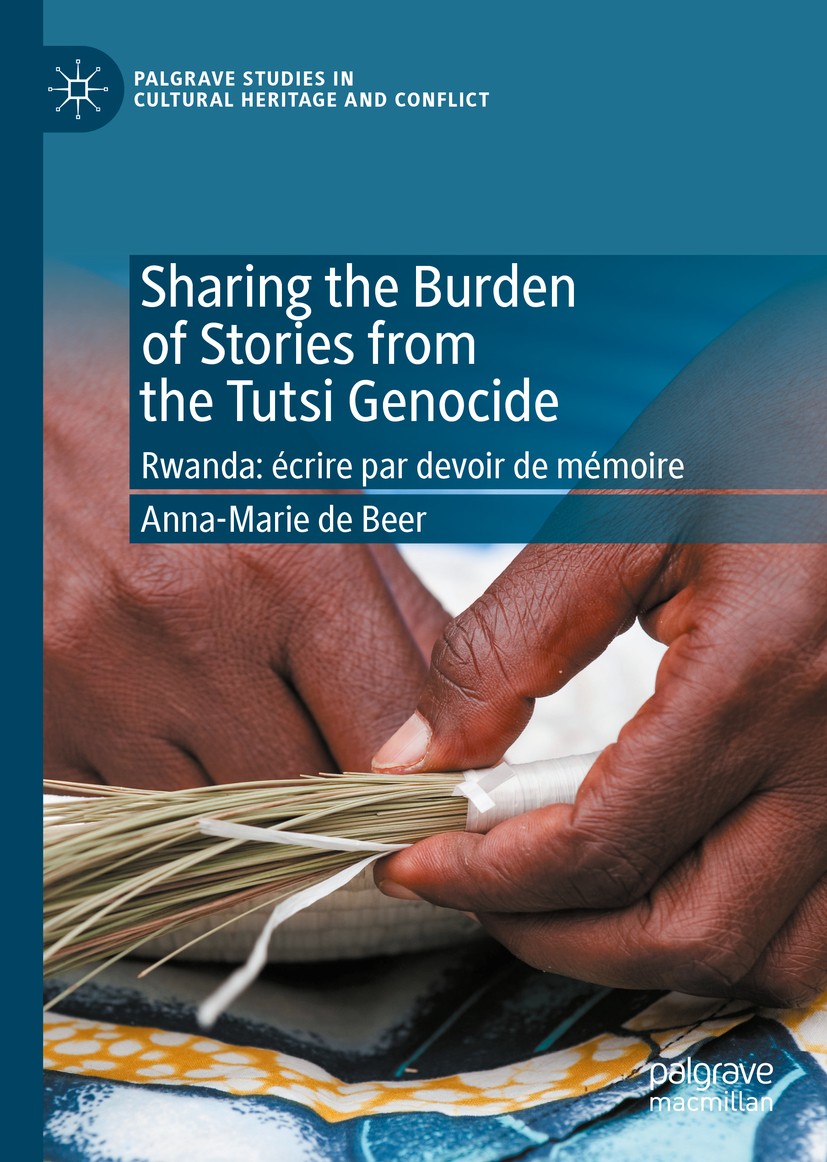
245 10|aSharing the Burden of Stories from the Tutsi Genocide|h[electronic resource] :|bRwanda: écrire par devoir de mémoire /|cby Anna-Marie de Beer.
250 |a1st ed. 2020.
264 1|aCham :|bSpringer International Publishing :|bImprint: Palgrave Macmillan,|c2020.
300 |aXII, 300 p.|bonline resource.
336 |atext|btxt|2rdacontent
337 |acomputer|bc|2rdamedia
338 |aonline resource|bcr|2rdacarrier
347 |atext file|bPDF|2rda
490 1 |aPalgrave Studies in Cultural Heritage and Conflict,|x2634-6427
505 0 |a1. Introduction: Leaning on the Shoulder of Another -- 2. Trauma and Storytelling in Africa -- 3. Journeys and Fables: Koulsy Lamko and Véronique Tadjo -- 4. Harvests and Bones: Abdourahman A. Waberi and Boubacar Boris Diop -- 5. Living in Shadows: Monique Ilboudo and Tierno Monénembo -- 6. Poems, Testimonies and Essays: Nocky Djedanoum, Jean-Marie Rurangwa and Vénuste Kayimahe -- 7. Conclusion: The Mythical Universe of Storytelling -- 8. Afterword: Safe Spaces of Reconstruction. .
520 |aThis book deals with literary representations of the genocide against the Tutsi in Rwanda. Its focus is a transnational, polyphonic writing project entitled Rwanda: écrire par devoir de mémoire (Rwanda: Writing by Duty of Memory), undertaken in 1998 by a group of nine African authors. Anna-Marie de Beer's study emphasizes the Afropolitan cultural frame in which the texts were conceived. Instead of using Western and Eurocentric tropes, this volume looks at an African conflict situated in a collectivist society and written about by writers of African origin. This approach enables a situated study, in which it becomes possible to draw out local notions of ubuntu, oral testimonies, mourning traditions, healing and storytelling strategies, and the presence of the ‘invisible'. These texts are written in French and to date not all of them have been translated into English. The book assists in connecting English-speaking readers not only to a set of texts written in French with significant literary and cultural value, but also to francophone trauma studies research. Dr Anna-Marie de Beer is a senior lecturer in French and francophone studies at the University of Pretoria in South Africa. She was born and grew up in Zimbabwe. Her research interests are the relationship between collective trauma and literature, as well as francophone autobiography and autofiction.
650 0|aEthnology|xAfrica.
650 0|aCulture.
650 0|aAfrica|xHistory.
650 0|aPeace.
650 0|aCultural property.
650 0|aTransnational crime.
650 14|aAfrican Culture.
650 24|aAfrican History.
650 24|aPeace and Conflict Studies.
650 24|aCultural Heritage.
650 24|aTransnational Crime.
710 2 |aSpringerLink (Online service)
773 0 |tSpringer Nature eBook
776 08|iPrinted edition:|z9783030420925
776 08|iPrinted edition:|z9783030420949
776 08|iPrinted edition:|z9783030420956
830 0|aPalgrave Studies in Cultural Heritage and Conflict,|x2634-6427
856 40|uhttps://doi.org/10.1007/978-3-030-42093-2
912 |aZDB-2-LCM
912 |aZDB-2-SXL
950 |aLiterature, Cultural and Media Studies (SpringerNature-41173)
950 |aLiterature, Cultural and Media Studies (R0) (SpringerNature-43723)