LEADER 03693nam a22005055i 4500
001 841672
003 TR_AnAIT
005 20260715025441
007 cr nn 008mamaa
008 220722s2022 sz | s |||| 0|eng d
020 |a9783031059698|9978-3-031-05969-8
024 7 |a10.1007/978-3-031-05969-8|2doi
041 |aeng
049 |aTürk Dil Kurumu Kütüphanesi
050 4|aPN1993-1999
072 7|aAP|2bicssc
072 7|a1DDU|2bicssc
072 7|aPER004000|2bisacsh
072 7|aAT|x1DDU|2thema
082 04|a791.40941|223
090 |aEK/4996
100 1 |aSmith, Matthew.|eauthor.|0(orcid)0000-0003-3751-3523|1https://orcid.org/0000-0003-3751-3523|4aut|4http://id.loc.gov/vocabulary/relators/aut
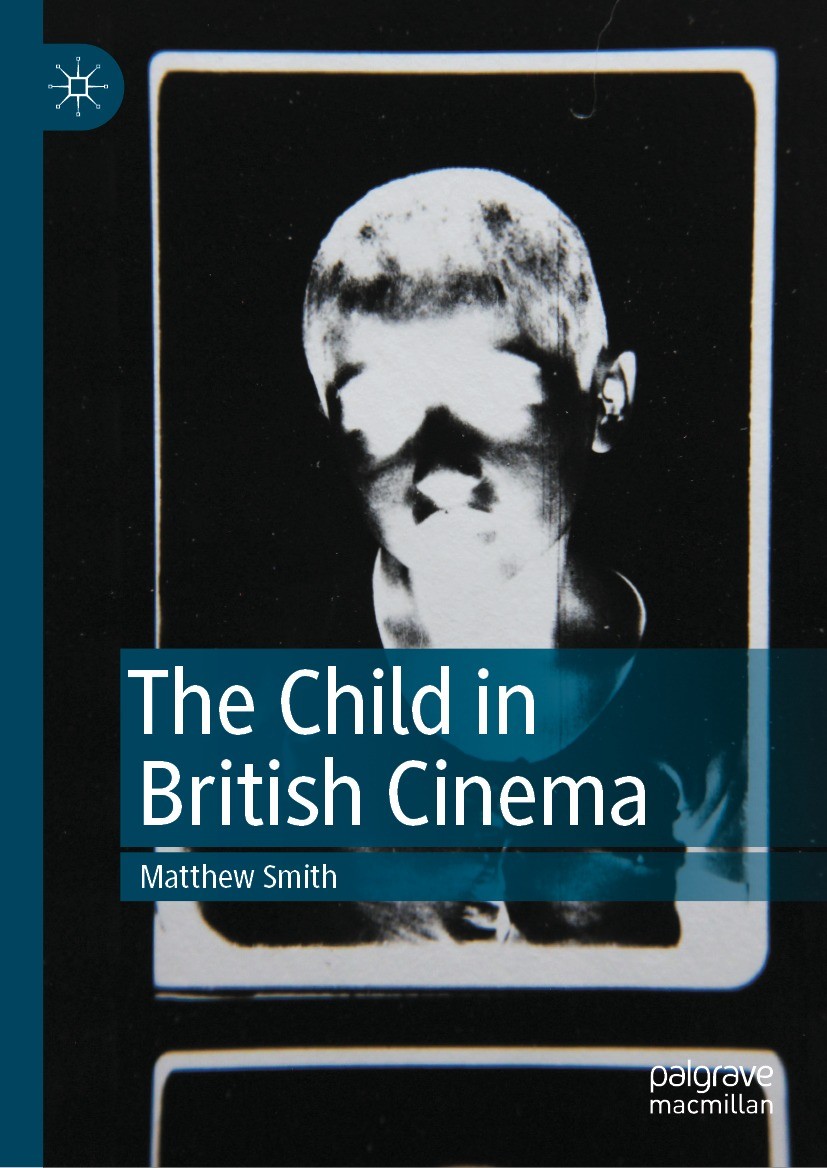
245 14|aThe Child in British Cinema|h[electronic resource] /|cby Matthew Smith.
250 |a1st ed. 2022.
264 1|aCham :|bSpringer International Publishing :|bImprint: Palgrave Macmillan,|c2022.
300 |aIX, 220 p. 15 illus., 8 illus. in color.|bonline resource.
336 |atext|btxt|2rdacontent
337 |acomputer|bc|2rdamedia
338 |aonline resource|bcr|2rdacarrier
347 |atext file|bPDF|2rda
505 0 |aChapter 1: Writing the Child -- Chapter 2: Watching the Child -- Chapter 3: The Child and the City: The Urban Adventurer in Post-War Britain -- Chapter 4: Girlhood: Mobility, Stasis, and Change -- Chapter 5: Other Children: Migrant, Refugee, Other -- Chapter 6: Harry Potter: The British.
520 |aThis book argues that over the twentieth and twenty-first centuries, the cinema in Britain became the site on which childhood was projected, examined, and understood. Through an analysis of these projections; via case studies that encompass early cinema, pre and post-war film, and contemporary cinema; this book interprets the child in British cinema as a device through which to reflect upon issues of national culture, race, empire, class, and gender. Beginning with a discussion of early cinematic depictions of the child in Britain, this book examines cultural expressions of nationhood produced via non-commercial cinemas for children. It considers the way cinema encroaches on the moral edification of the child and the ostensible vibrancy and vitality of the British boy in post-war cinema. The author explores the representational and instrumental differences between depictions of boys and girls before extending this discussion to investigate the treatment of migrant, refugee, andimmigrant children in British cinema. It ends by recapitulating these arguments through a discussion of internationally successful British blockbuster cinema. The child in this study is a mobile figure, deployed across generic boundaries, throughout the history of British cinema and embodying a range of discourses regarding the health and wellbeing of the nation. Matthew Smith is a Film Studies scholar based in North West England. He has previously worked at the University of Liverpool, UK, and the University of Lancaster, UK, from which he received his PhD.
650 0|aMotion pictures|xGreat Britain.
650 0|aCommunication.
650 0|aMotion pictures.
650 14|aBritish Film and TV.
650 24|aMedia Reception and Media Effects.
650 24|aClose Readings in Film and TV.
710 2 |aSpringerLink (Online service)
773 0 |tSpringer Nature eBook
776 08|iPrinted edition:|z9783031059681
776 08|iPrinted edition:|z9783031059704
776 08|iPrinted edition:|z9783031059711
856 40|uhttps://doi.org/10.1007/978-3-031-05969-8
912 |aZDB-2-LCM
912 |aZDB-2-SXL
950 |aLiterature, Cultural and Media Studies (SpringerNature-41173)
950 |aLiterature, Cultural and Media Studies (R0) (SpringerNature-43723)