LEADER 03757nam a22005415i 4500
001 841727
003 TR_AnAIT
005 20260715025206
007 cr nn 008mamaa
008 210618s2021 sz | s |||| 0|eng d
020 |a9783030724764|9978-3-030-72476-4
024 7 |a10.1007/978-3-030-72476-4|2doi
041 |aeng
049 |aTürk Dil Kurumu Kütüphanesi
050 4|aPN1-6790
072 7|aDSB|2bicssc
072 7|aLAN000000|2bisacsh
072 7|aDSB|2thema
082 04|a800|223
090 |aEK/5123
100 1 |aWeedon, Alexis.|eauthor.|4aut|4http://id.loc.gov/vocabulary/relators/aut
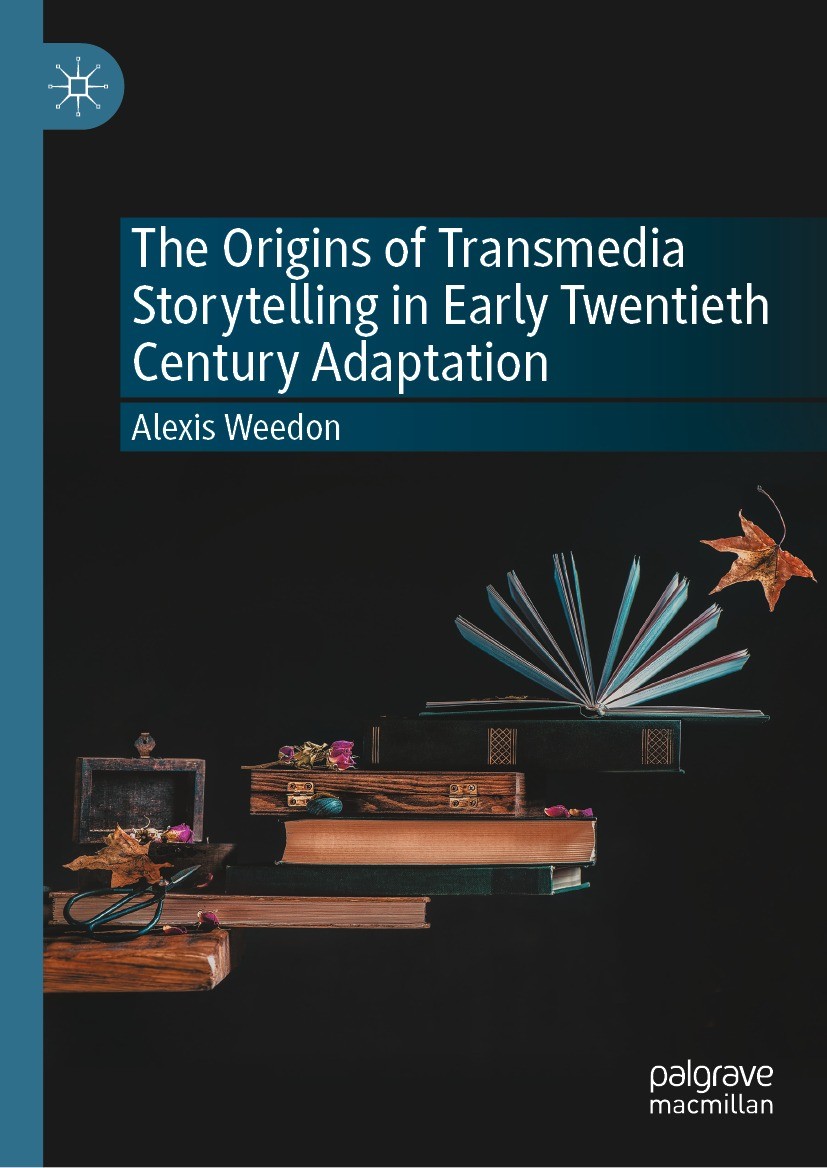
245 14|aThe Origins of Transmedia Storytelling in Early Twentieth Century Adaptation|h[electronic resource] /|cby Alexis Weedon.
250 |a1st ed. 2021.
264 1|aCham :|bSpringer International Publishing :|bImprint: Palgrave Macmillan,|c2021.
300 |aXIX, 281 p. 8 illus., 2 illus. in color.|bonline resource.
336 |atext|btxt|2rdacontent
337 |acomputer|bc|2rdamedia
338 |aonline resource|bcr|2rdacarrier
347 |atext file|bPDF|2rda
505 0 |aChapter 1. Introduction -- Chapter 2. Storytellers and the participatory audience -- Chapter 3. Writing across media: the techniques of Clemence Dane -- Chapter 4. Adaptations of Elizabeth I and Shakespeare by Clemence Dane -- Chapter 5. Novelist as a Pierrot: G.B. Stern on women and role-playing identity, etc.
520 |a'Impeccably researched and rigorously argued, Weedon’s book offers a precise historical study of a period and culture when adaptation practices and transmedia storytelling were just beginning to take shape as a fascinating anticipation of the twenty-first century.' – Timothy Corrigan, Professor Emeritus of English, Cinema Studies, and History of Art, University of Pennsylvania, USA. This book explores the significance of professional writers and their role in developing British storytelling in the 1920s and 1930s, and their influence on the poetics of today’s transmedia storytelling. Modern techniques can be traced back to the early twentieth century when film, radio and television provided professional writers with new formats and revenue streams for their fiction. The book explores the contribution of four British authors, household names in their day, who adapted work for film, television and radio. Although celebrities between the wars, Clemence Dane, G.B.Stern, Hugh Walpole and A.E.W Mason have fallen from view. The popular playwright Dane, witty novelist Stern and raconteur Walpole have been marginalised for being German, Jewish, female or gay and Mason’s contribution to film has been overlooked also. It argues that these and other vocational authors should be reassessed for their contribution to new media forms of storytelling. The book makes a significant contribution in the fields of media studies, adaptation studies, and the literary middlebrow.
650 0|aLiterature and technology.
650 0|aMass media and literature.
650 0|aLiterature, Modern|x20th century.
650 0|aCommunication.
650 0|aMotion pictures.
650 0|aTelevision broadcasting.
650 14|aLiterature and Technology.
650 24|aTwentieth-Century Literature.
650 24|aMedia and Communication.
650 24|aFilm and Television Studies.
710 2 |aSpringerLink (Online service)
773 0 |tSpringer Nature eBook
776 08|iPrinted edition:|z9783030724757
776 08|iPrinted edition:|z9783030724771
776 08|iPrinted edition:|z9783030724788
856 40|uhttps://doi.org/10.1007/978-3-030-72476-4
912 |aZDB-2-LCM
912 |aZDB-2-SXL
950 |aLiterature, Cultural and Media Studies (SpringerNature-41173)
950 |aLiterature, Cultural and Media Studies (R0) (SpringerNature-43723)