LEADER 04034nam a22005775i 4500
001 841730
003 TR_AnAIT
005 20260715025204
007 cr nn 008mamaa
008 211006s2021 sz | s |||| 0|eng d
020 |a9783030733834|9978-3-030-73383-4
024 7 |a10.1007/978-3-030-73383-4|2doi
041 |aeng
049 |aTürk Dil Kurumu Kütüphanesi
050 4|aPJ305.2-489
072 7|aDS|2bicssc
072 7|a1F|2bicssc
072 7|aLIT008000|2bisacsh
072 7|aDS|x1F|2thema
082 04|a809.895|223
090 |aEK/5139
100 1 |aHenningsen, Lena.|eauthor.|4aut|4http://id.loc.gov/vocabulary/relators/aut
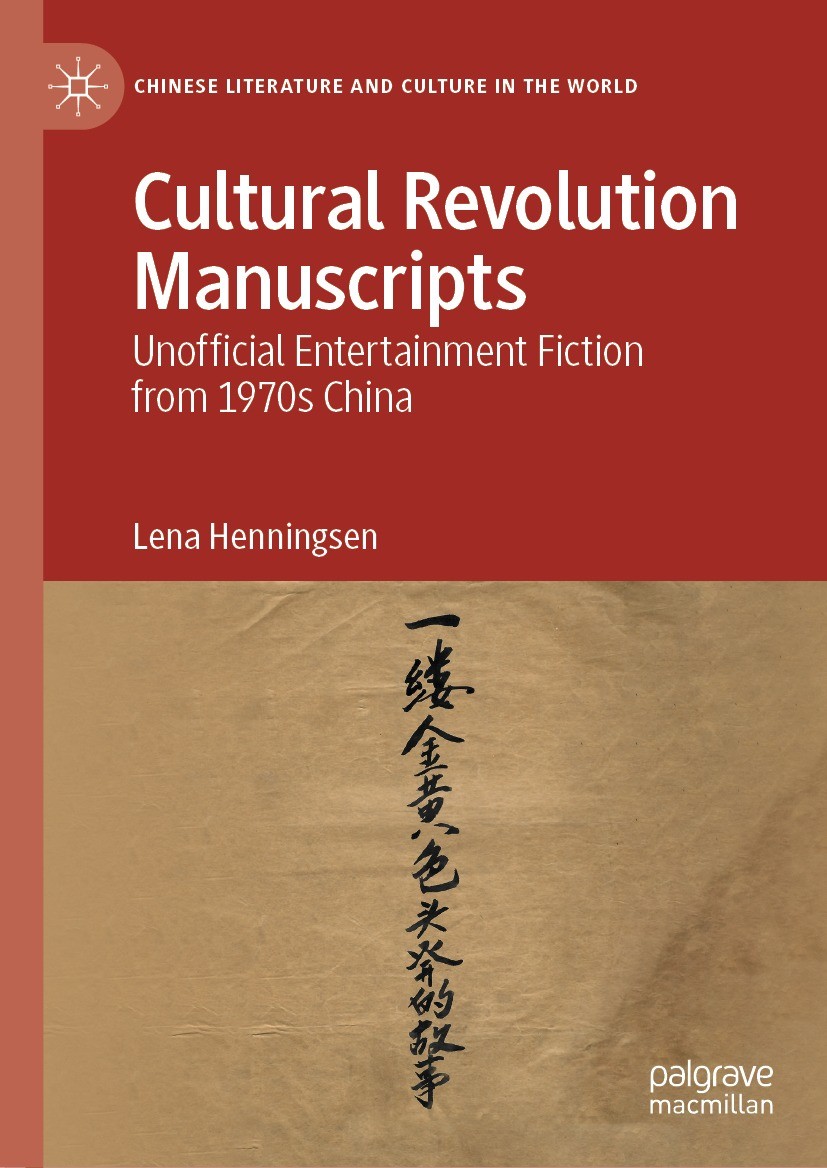
245 10|aCultural Revolution Manuscripts|h[electronic resource] :|bUnofficial Entertainment Fiction from 1970s China /|cby Lena Henningsen.
250 |a1st ed. 2021.
264 1|aCham :|bSpringer International Publishing :|bImprint: Palgrave Macmillan,|c2021.
300 |aXVIII, 283 p. 23 illus., 1 illus. in color.|bonline resource.
336 |atext|btxt|2rdacontent
337 |acomputer|bc|2rdamedia
338 |aonline resource|bcr|2rdacarrier
347 |atext file|bPDF|2rda
490 1 |aChinese Literature and Culture in the World,|x2945-7262
505 0 |aChapter 1: Introduction -- Chapter 2: The writing and rewriting of an exemplary shouchaoben: Zhang Yang’s The Second Handshake during the Cultural Revolution -- Chapter 3: Texts on travel: stability across variation and secondary authorship in espionage shouchaoben fiction -- Chapter 4: Shouchaoben as literary avant-garde: Open Love Letters and Waves -- Chapter 5: Ways of reading: Cultural Revolution reading acts -- Chapter 6: World literature and intertextuality: reading acts in shouchaoben fiction -- Chapter 7: From underground into the mainstream: shouchaoben fiction on the commercial book market -- Chapter 8: Conclusion: Shouchaoben fiction as texts in motion.
520 |aThis book investigates handwritten entertainment fiction (shouchaoben wenxue) which circulated clandestinely during the Chinese Cultural Revolution. Lena Henningsen’s analyses of exemplary stories and their variation across different manuscript copies brings to light the creativity of these readers-turned-copyists. Through copying, readers modified the stories and became secondary authors who reflected on the realities of the Cultural Revolution. Through an enquiry into actual reading practices as mapped in autobiographical accounts and into intertextual references within the stories, the book also positions manuscript fiction within the larger reading cosmos of the long 1970s. Henningsen analyzes the production, circulation and consumption of these texts, considering continuities across the alleged divide of the end of the Mao-era and the beginning of the reform period. The book further reveals how these texts achieved fruitful afterlives as re-published bestsellers or as adaptations into comic books or movies, continuing to shape the minds of their audience and the imaginations of the past. Chapter 5 is available open access under a Creative Commons Attribution 4.0 International License via link.springer.com.
650 0|aOriental literature.
650 0|aLiterature|xHistory and criticism.
650 0|aChina|xHistory.
650 0|aCivilization|xHistory.
650 0|aLiterature, Modern|x20th century.
650 14|aAsian Literature.
650 24|aLiterary History.
650 24|aHistory of China.
650 24|aCultural History.
650 24|aTwentieth-Century Literature.
710 2 |aSpringerLink (Online service)
773 0 |tSpringer Nature eBook
776 08|iPrinted edition:|z9783030733827
776 08|iPrinted edition:|z9783030733841
776 08|iPrinted edition:|z9783030733858
830 0|aChinese Literature and Culture in the World,|x2945-7262
856 40|uhttps://doi.org/10.1007/978-3-030-73383-4
912 |aZDB-2-LCM
912 |aZDB-2-SXL
950 |aLiterature, Cultural and Media Studies (SpringerNature-41173)
950 |aLiterature, Cultural and Media Studies (R0) (SpringerNature-43723)