LEADER 04101nam a22005895i 4500
001 841742
003 TR_AnAIT
005 20260715025158
007 cr nn 008mamaa
008 211115s2021 sz | s |||| 0|eng d
020 |a9783030853549|9978-3-030-85354-9
024 7 |a10.1007/978-3-030-85354-9|2doi
041 |aeng
049 |aTürk Dil Kurumu Kütüphanesi
050 4|aGN635.N42
072 7|aJFC|2bicssc
072 7|a1FB|2bicssc
072 7|aSOC008070|2bisacsh
072 7|aJBCC|x1FB|2thema
082 04|a306.0956|223
090 |aEK/5042
100 1 |aGinsberg, Terri.|eauthor.|4aut|4http://id.loc.gov/vocabulary/relators/aut
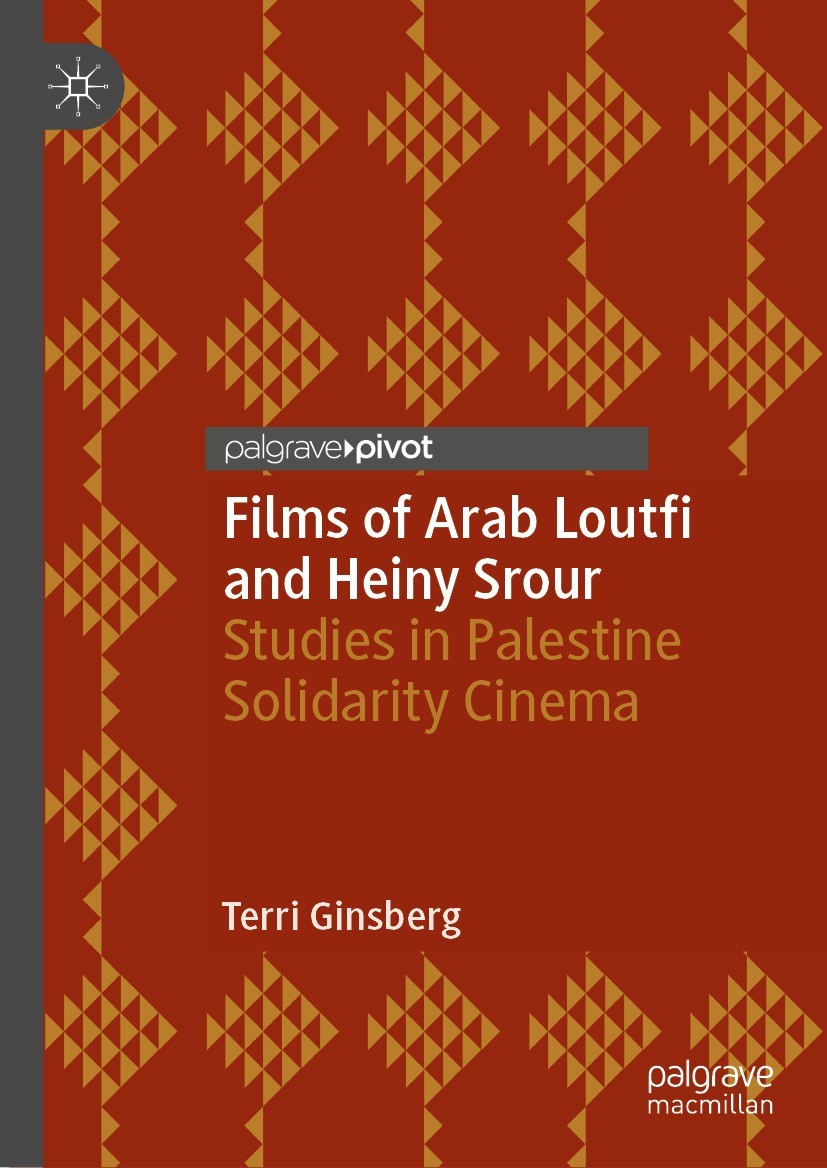
245 10|aFilms of Arab Loutfi and Heiny Srour|h[electronic resource] :|bStudies in Palestine Solidarity Cinema /|cby Terri Ginsberg.
250 |a1st ed. 2021.
264 1|aCham :|bSpringer International Publishing :|bImprint: Palgrave Pivot,|c2021.
300 |aXIII, 107 p. 11 illus., 7 illus. in color.|bonline resource.
336 |atext|btxt|2rdacontent
337 |acomputer|bc|2rdamedia
338 |aonline resource|bcr|2rdacarrier
347 |atext file|bPDF|2rda
490 1 |aPalgrave Studies in Arab Cinema,|x2731-4901
505 0 |a1. Introduction -- 2. Feminist Auratics and the Radical (Re)Envisioning of Revolutionary Militancy -- 3. Trauma Critiques the Cinematic Confessional -- 4. Conclusion.
520 |a“In this penetrating volume, Terri Ginsberg provides us with an example of film scholarship at its most radical. Giving fresh and detailed attention to the Palestine solidarity films of two Arab women directors, Ginsberg challenges us to rethink some of our most basic political assumptions, calling into question multiple disciplines, fields of inquiry, and epistemological frameworks. This book does not just describe decolonization; it partakes in it.” —Greg Burris, Associate Professor of Media Studies, American University of Beirut; author of The Palestinian Idea: Film, Media, and the Radical Imagination This book places long overdue focus on the Palestine solidarity films of two important Arab women directors whose cinematic works have never received due attention within the scholarly literature or the cultural public sphere. Through an analysis that situates these largely overlooked films within the matrix of an anti-Zionist critique of cinematic ontology,this book offers a materialist feminist appreciation of their political aesthetics while critiquing the ideological enabling conditions of their academic absenting. The study of these daring films fosters a much-needed, sustained understanding of the meaning and significance of Palestine solidarity filmmaking for and within the Arab world. Terri Ginsberg is assistant professor of film and media at Concordia University in Montréal. She is the author of Visualizing the Palestinian Struggle and Holocaust Film: The Political Aesthetics of Ideology; co-author of Historical Dictionary of Middle Eastern Cinema; and co-editor of Cinema of the Arab World and A Companion to German Cinema. She is a founding member of the Middle East Moving Image Collective (MEMIC). Her forthcoming edited collection looks at the governmentalization of international film education.
650 0|aEthnology|xMiddle East .
650 0|aCulture.
650 0|aMotion pictures.
650 0|aMotion pictures|xHistory.
650 0|aSex.
650 0|aMotion picture industry.
650 0|aTelevision broadcasting.
650 14|aMiddle Eastern Culture.
650 24|aGlobal Film and TV.
650 24|aFilm and TV History.
650 24|aGender Studies.
650 24|aFilm and Television Industry.
710 2 |aSpringerLink (Online service)
773 0 |tSpringer Nature eBook
776 08|iPrinted edition:|z9783030853532
776 08|iPrinted edition:|z9783030853556
830 0|aPalgrave Studies in Arab Cinema,|x2731-4901
856 40|uhttps://doi.org/10.1007/978-3-030-85354-9
912 |aZDB-2-LCM
912 |aZDB-2-SXL
950 |aLiterature, Cultural and Media Studies (SpringerNature-41173)
950 |aLiterature, Cultural and Media Studies (R0) (SpringerNature-43723)