

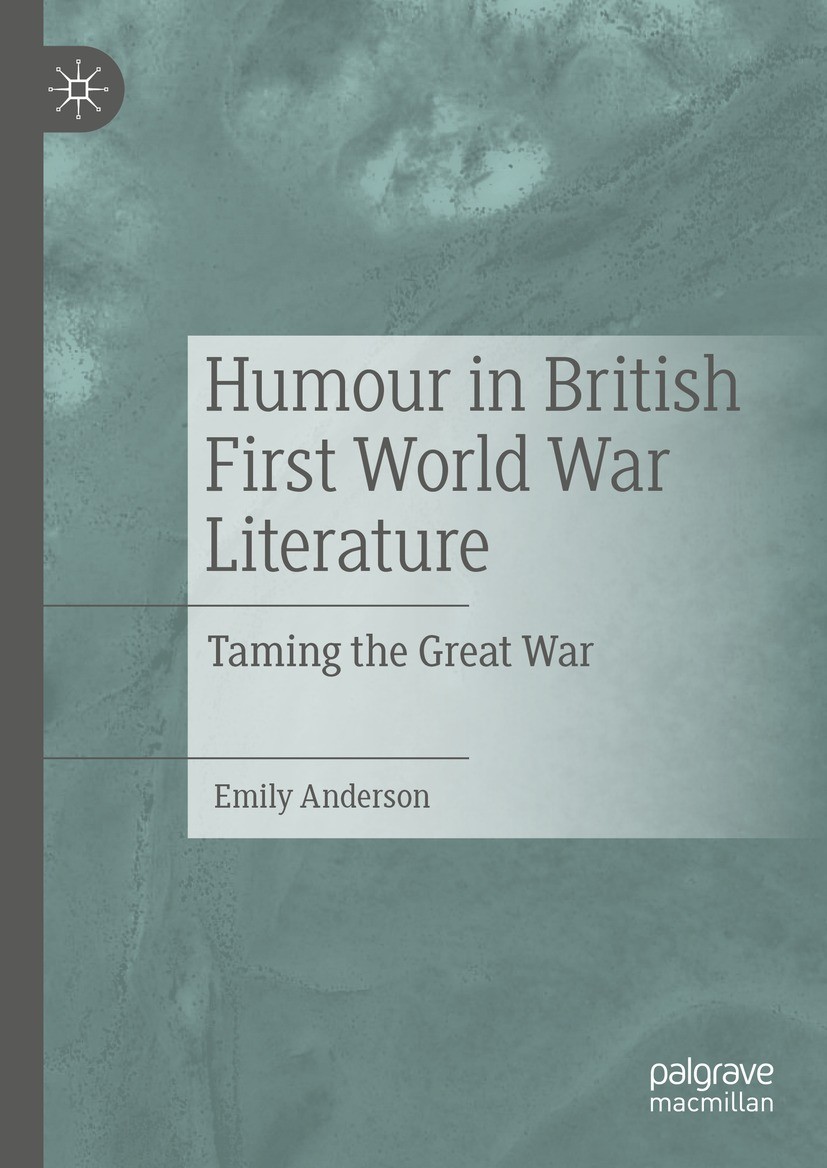
Humour in British First World War Literature [electronic resource] : Taming the Great War / by Emily Anderson.
Erişim Adresi
ISBN
9783031340512
Dil Kodu
İngilizce
Yer Numarası
EK/5272
Yazar
Basım Bildirimi
1st ed. 2023.
Yayın Bilgisi
Cham : Springer International Publishing : Imprint: Palgrave Macmillan, 2023.
Fiziksel Niteleme
IX, 235 p. 3 illus. online resource.
İçindekiler Notu
1. Introduction: ‘[A]s in most war fiction, humour predominates’ -- 2. Humour and Britishness During the Great War: ‘If a man brings us a joke, we require to be satisfied of its durability’ -- 3. The Domestication of Death: ‘There are lots of jokes’ -- 4. Class and Social Structure: ‘It is not taken seriously’ -- 5. War and the Depiction of Gender: ‘Let us hope for the best and assume that he is dead’ -- 6. The War and the Domestic Sphere: ‘That perpetual sense of the ridiculous’ -- 7. Parody and Pop Culture in Trench Newspapers: ‘Let’s whistle ragtime ditties while we’re bashing out Hun brains’ -- 8. Short Fiction and Service-Author Heroes: ‘You can’t expect glory and accuracy for a half-penny’ -- 9. Conclusion.
Özet, vb.
This book explores how humorous depictions of the Great War helped to familiarise, domesticate and tame the conflict. In contrast to the well-known First World War literature that focuses on extraordinary emotional disruption and the extremes of war, this study shows other writers used humour to create a gentle, mild amusement, drawing on familiar, popular genres and forms used before 1914. Emily Anderson argues that this humorous literature helped to transform the war into quotidian experience. Based on little-known primary material uncovered through detailed archival research, the book focuses on works that, while written by celebrated authors, tend not to be placed in the canon of Great War literature. Each chapter examines key examples of literary texts, ranging from short stories and poetry, to theatre and periodicals. In doing so, the book investigates the complex political and social significance of this tame style of humour. Emily Anderson is Associate Lecturer in the School of English Literature, Language and Linguistics at Newcastle University, UK. Her research interests are in humour and whimsy in British literature, focusing on the late nineteenth and early twentieth centuries.
Konu
Literature, Modern __ 20th century.
Literary form.
Ethnology __ Great Britain.
Culture.
Drama.
Twentieth-Century Literature.
Literary Genre.
British Culture.
Drama.
Literary form.
Ethnology __ Great Britain.
Culture.
Drama.
Twentieth-Century Literature.
Literary Genre.
British Culture.
Drama.
Kurum Adı
Eseri Alıntıla
Referansları kullanmadan önce gözden geçirmeniz ve varsa gerekli düzeltmeleri yapmanız önerilir.
Dijital Kaynak
MARC Görünümü
LEADER 05027nam a22006495i 4500
001 842003
003 TR_AnAIT
005 20260715024607
007 cr nn 008mamaa
008 230911s2023 sz | s |||| 0|eng d
020 |a9783031340512|9978-3-031-34051-2
024 7 |a10.1007/978-3-031-34051-2|2doi
041 |aeng
049 |aTürk Dil Kurumu Kütüphanesi
050 4|aPN770-779
072 7|aDSBH|2bicssc
072 7|aLIT024050|2bisacsh
072 7|aDSBH|2thema
082 04|a809.04|223
090 |aEK/5272
100 1 |aAnderson, Emily.|eauthor.|4aut|4http://id.loc.gov/vocabulary/relators/aut
245 10|aHumour in British First World War Literature|h[electronic resource] :|bTaming the Great War /|cby Emily Anderson.
250 |a1st ed. 2023.
264 1|aCham :|bSpringer International Publishing :|bImprint: Palgrave Macmillan,|c2023.
300 |aIX, 235 p. 3 illus.|bonline resource.
336 |atext|btxt|2rdacontent
337 |acomputer|bc|2rdamedia
338 |aonline resource|bcr|2rdacarrier
341 0 |bTable of contents navigation|2onix
341 0 |bSingle logical reading order|2onix
341 0 |bShort alternative textual descriptions|2onix
341 0 |bUse of color is not sole means of conveying information|2onix
341 0 |bUse of high contrast between text and background color|2onix
341 0 |bNext / Previous structural navigation|2onix
341 0 |bAll non-decorative content supports reading without sight|2onix
347 |atext file|bPDF|2rda
505 0 |a1. Introduction: ‘[A]s in most war fiction, humour predominates’ -- 2. Humour and Britishness During the Great War: ‘If a man brings us a joke, we require to be satisfied of its durability’ -- 3. The Domestication of Death: ‘There are lots of jokes’ -- 4. Class and Social Structure: ‘It is not taken seriously’ -- 5. War and the Depiction of Gender: ‘Let us hope for the best and assume that he is dead’ -- 6. The War and the Domestic Sphere: ‘That perpetual sense of the ridiculous’ -- 7. Parody and Pop Culture in Trench Newspapers: ‘Let’s whistle ragtime ditties while we’re bashing out Hun brains’ -- 8. Short Fiction and Service-Author Heroes: ‘You can’t expect glory and accuracy for a half-penny’ -- 9. Conclusion.
520 |aThis book explores how humorous depictions of the Great War helped to familiarise, domesticate and tame the conflict. In contrast to the well-known First World War literature that focuses on extraordinary emotional disruption and the extremes of war, this study shows other writers used humour to create a gentle, mild amusement, drawing on familiar, popular genres and forms used before 1914. Emily Anderson argues that this humorous literature helped to transform the war into quotidian experience. Based on little-known primary material uncovered through detailed archival research, the book focuses on works that, while written by celebrated authors, tend not to be placed in the canon of Great War literature. Each chapter examines key examples of literary texts, ranging from short stories and poetry, to theatre and periodicals. In doing so, the book investigates the complex political and social significance of this tame style of humour. Emily Anderson is Associate Lecturer in the School of English Literature, Language and Linguistics at Newcastle University, UK. Her research interests are in humour and whimsy in British literature, focusing on the late nineteenth and early twentieth centuries.
532 8 |aAccessibility summary: This PDF does not fully comply with PDF/UA standards, but does feature limited screen reader support, described non-text content (images, graphs), bookmarks for easy navigation and searchable, selectable text. Users of assistive technologies may experience difficulty navigating or interpreting content in this document. We recognize the importance of accessibility, and we welcome queries about accessibility for any of our products. If you have a question or an access need, please get in touch with us at accessibilitysupport@springernature.com.
532 8 |aNo reading system accessibility options actively disabled
532 8 |aPublisher contact for further accessibility information: accessibilitysupport@springernature.com
650 0|aLiterature, Modern|x20th century.
650 0|aLiterary form.
650 0|aEthnology|xGreat Britain.
650 0|aCulture.
650 0|aDrama.
650 14|aTwentieth-Century Literature.
650 24|aLiterary Genre.
650 24|aBritish Culture.
650 24|aDrama.
710 2 |aSpringerLink (Online service)
773 0 |tSpringer Nature eBook
776 08|iPrinted edition:|z9783031340505
776 08|iPrinted edition:|z9783031340529
776 08|iPrinted edition:|z9783031340536
856 40|uhttps://doi.org/10.1007/978-3-031-34051-2
912 |aZDB-2-LCM
912 |aZDB-2-SXL
950 |aLiterature, Cultural and Media Studies (SpringerNature-41173)
950 |aLiterature, Cultural and Media Studies (R0) (SpringerNature-43723)
001 842003
003 TR_AnAIT
005 20260715024607
007 cr nn 008mamaa
008 230911s2023 sz | s |||| 0|eng d
020 |a9783031340512|9978-3-031-34051-2
024 7 |a10.1007/978-3-031-34051-2|2doi
041 |aeng
049 |aTürk Dil Kurumu Kütüphanesi
050 4|aPN770-779
072 7|aDSBH|2bicssc
072 7|aLIT024050|2bisacsh
072 7|aDSBH|2thema
082 04|a809.04|223
090 |aEK/5272
100 1 |aAnderson, Emily.|eauthor.|4aut|4http://id.loc.gov/vocabulary/relators/aut
245 10|aHumour in British First World War Literature|h[electronic resource] :|bTaming the Great War /|cby Emily Anderson.
250 |a1st ed. 2023.
264 1|aCham :|bSpringer International Publishing :|bImprint: Palgrave Macmillan,|c2023.
300 |aIX, 235 p. 3 illus.|bonline resource.
336 |atext|btxt|2rdacontent
337 |acomputer|bc|2rdamedia
338 |aonline resource|bcr|2rdacarrier
341 0 |bTable of contents navigation|2onix
341 0 |bSingle logical reading order|2onix
341 0 |bShort alternative textual descriptions|2onix
341 0 |bUse of color is not sole means of conveying information|2onix
341 0 |bUse of high contrast between text and background color|2onix
341 0 |bNext / Previous structural navigation|2onix
341 0 |bAll non-decorative content supports reading without sight|2onix
347 |atext file|bPDF|2rda
505 0 |a1. Introduction: ‘[A]s in most war fiction, humour predominates’ -- 2. Humour and Britishness During the Great War: ‘If a man brings us a joke, we require to be satisfied of its durability’ -- 3. The Domestication of Death: ‘There are lots of jokes’ -- 4. Class and Social Structure: ‘It is not taken seriously’ -- 5. War and the Depiction of Gender: ‘Let us hope for the best and assume that he is dead’ -- 6. The War and the Domestic Sphere: ‘That perpetual sense of the ridiculous’ -- 7. Parody and Pop Culture in Trench Newspapers: ‘Let’s whistle ragtime ditties while we’re bashing out Hun brains’ -- 8. Short Fiction and Service-Author Heroes: ‘You can’t expect glory and accuracy for a half-penny’ -- 9. Conclusion.
520 |aThis book explores how humorous depictions of the Great War helped to familiarise, domesticate and tame the conflict. In contrast to the well-known First World War literature that focuses on extraordinary emotional disruption and the extremes of war, this study shows other writers used humour to create a gentle, mild amusement, drawing on familiar, popular genres and forms used before 1914. Emily Anderson argues that this humorous literature helped to transform the war into quotidian experience. Based on little-known primary material uncovered through detailed archival research, the book focuses on works that, while written by celebrated authors, tend not to be placed in the canon of Great War literature. Each chapter examines key examples of literary texts, ranging from short stories and poetry, to theatre and periodicals. In doing so, the book investigates the complex political and social significance of this tame style of humour. Emily Anderson is Associate Lecturer in the School of English Literature, Language and Linguistics at Newcastle University, UK. Her research interests are in humour and whimsy in British literature, focusing on the late nineteenth and early twentieth centuries.
532 8 |aAccessibility summary: This PDF does not fully comply with PDF/UA standards, but does feature limited screen reader support, described non-text content (images, graphs), bookmarks for easy navigation and searchable, selectable text. Users of assistive technologies may experience difficulty navigating or interpreting content in this document. We recognize the importance of accessibility, and we welcome queries about accessibility for any of our products. If you have a question or an access need, please get in touch with us at accessibilitysupport@springernature.com.
532 8 |aNo reading system accessibility options actively disabled
532 8 |aPublisher contact for further accessibility information: accessibilitysupport@springernature.com
650 0|aLiterature, Modern|x20th century.
650 0|aLiterary form.
650 0|aEthnology|xGreat Britain.
650 0|aCulture.
650 0|aDrama.
650 14|aTwentieth-Century Literature.
650 24|aLiterary Genre.
650 24|aBritish Culture.
650 24|aDrama.
710 2 |aSpringerLink (Online service)
773 0 |tSpringer Nature eBook
776 08|iPrinted edition:|z9783031340505
776 08|iPrinted edition:|z9783031340529
776 08|iPrinted edition:|z9783031340536
856 40|uhttps://doi.org/10.1007/978-3-031-34051-2
912 |aZDB-2-LCM
912 |aZDB-2-SXL
950 |aLiterature, Cultural and Media Studies (SpringerNature-41173)
950 |aLiterature, Cultural and Media Studies (R0) (SpringerNature-43723)
Materyaller
Depodan talep edilen materyal sadece kütüphane içerisinde kullanılmaktadır.
Materyal dışarıya ödünç verilmemektedir.
Materyal dışarıya ödünç verilmemektedir.
