LEADER 03327nam a22005655i 4500
001 842042
003 TR_AnAIT
005 20260715024442
007 cr nn 008mamaa
008 171114s2017 sz | s |||| 0|eng d
020 |a9783319621876|9978-3-319-62187-6
024 7 |a10.1007/978-3-319-62187-6|2doi
041 |aeng
049 |aTürk Dil Kurumu Kütüphanesi
050 4|aPN1560-1590
050 4|aPN2000-3307
072 7|aAN|2bicssc
072 7|aPER000000|2bisacsh
072 7|aAT|2thema
082 04|a790|223
090 |aEK/5504
100 1 |aBooth, Michael.|eauthor.|4aut|4http://id.loc.gov/vocabulary/relators/aut
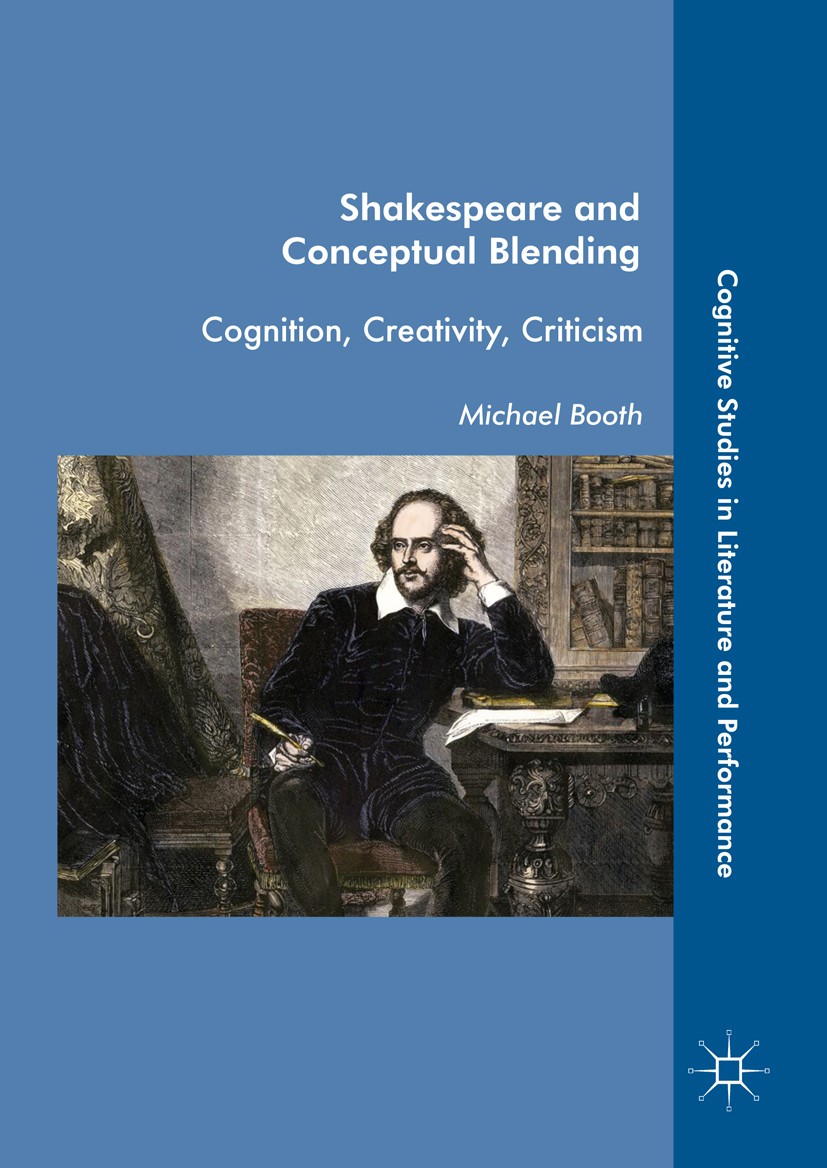
245 10|aShakespeare and Conceptual Blending|h[electronic resource] :|bCognition, Creativity, Criticism /|cby Michael Booth.
250 |a1st ed. 2017.
264 1|aCham :|bSpringer International Publishing :|bImprint: Palgrave Macmillan,|c2017.
300 |aXXII, 257 p. 13 illus.|bonline resource.
336 |atext|btxt|2rdacontent
337 |acomputer|bc|2rdamedia
338 |aonline resource|bcr|2rdacarrier
347 |atext file|bPDF|2rda
490 1 |aCognitive Studies in Literature and Performance,|x2945-7300
505 0 |aForeword; Mark Turner -- Series Editors’ Preface; Blakey Vermeule and Bruce McConachie -- List of Figures -- 1. Introduction -- 2. Shakespeare’s Stories -- 3. Shakespeare’s Wit -- 4. Shakespeare’s Poetry -- 5. Criticism and the Blending Mind -- Index.
520 |aThis book shows how Shakespeare’s excellence as storyteller, wit and poet reflects the creative process of conceptual blending. Cognitive theory provides a wealth of new ideas that illuminate Shakespeare, even as he illuminates them, and the theory of blending, or conceptual integration, strikingly corroborates and amplifies both classic and current insights of literary criticism. This study explores how Shakespeare crafted his plots by fusing diverse story elements and compressing incidents to strengthen dramatic illusion; considers Shakespeare’s wit as involving sudden incongruities and a reckoning among differing points of view; interrogates how blending generates the “strange meaning” that distinguishes poetic expression; and situates the project in relation to other cognitive literary criticism. This book is of particular significance to scholars and students of Shakespeare and cognitive theory, as well as readers curious about how the mind works.
650 0|aPerforming arts.
650 0|aTheater.
650 0|aEuropean literature|xRenaissance, 1450-1600.
650 0|aCognitive psychology.
650 0|aPsycholinguistics.
650 14|aTheatre and Performance Arts.
650 24|aEarly Modern and Renaissance Literature.
650 24|aCognitive Psychology.
650 24|aPsycholinguistics and Cognitive Lingusitics.
710 2 |aSpringerLink (Online service)
773 0 |tSpringer Nature eBook
776 08|iPrinted edition:|z9783319621869
776 08|iPrinted edition:|z9783319621883
776 08|iPrinted edition:|z9783319872513
830 0|aCognitive Studies in Literature and Performance,|x2945-7300
856 40|uhttps://doi.org/10.1007/978-3-319-62187-6
912 |aZDB-2-LCM
912 |aZDB-2-SXL
950 |aLiterature, Cultural and Media Studies (SpringerNature-41173)
950 |aLiterature, Cultural and Media Studies (R0) (SpringerNature-43723)