LEADER 03513nam a22005055i 4500
001 842078
003 TR_AnAIT
005 20260715024303
007 cr nn 008mamaa
008 180627s2018 sz | s |||| 0|eng d
020 |a9783319903415|9978-3-319-90341-5
024 7 |a10.1007/978-3-319-90341-5|2doi
041 |aeng
049 |aTürk Dil Kurumu Kütüphanesi
050 4|aPN843-849
072 7|aDS|2bicssc
072 7|aLIT000000|2bisacsh
072 7|aDS|2thema
082 04|a809.89|223
090 |aEK/5359
100 1 |aBoehmer, Elleke.|eauthor.|4aut|4http://id.loc.gov/vocabulary/relators/aut
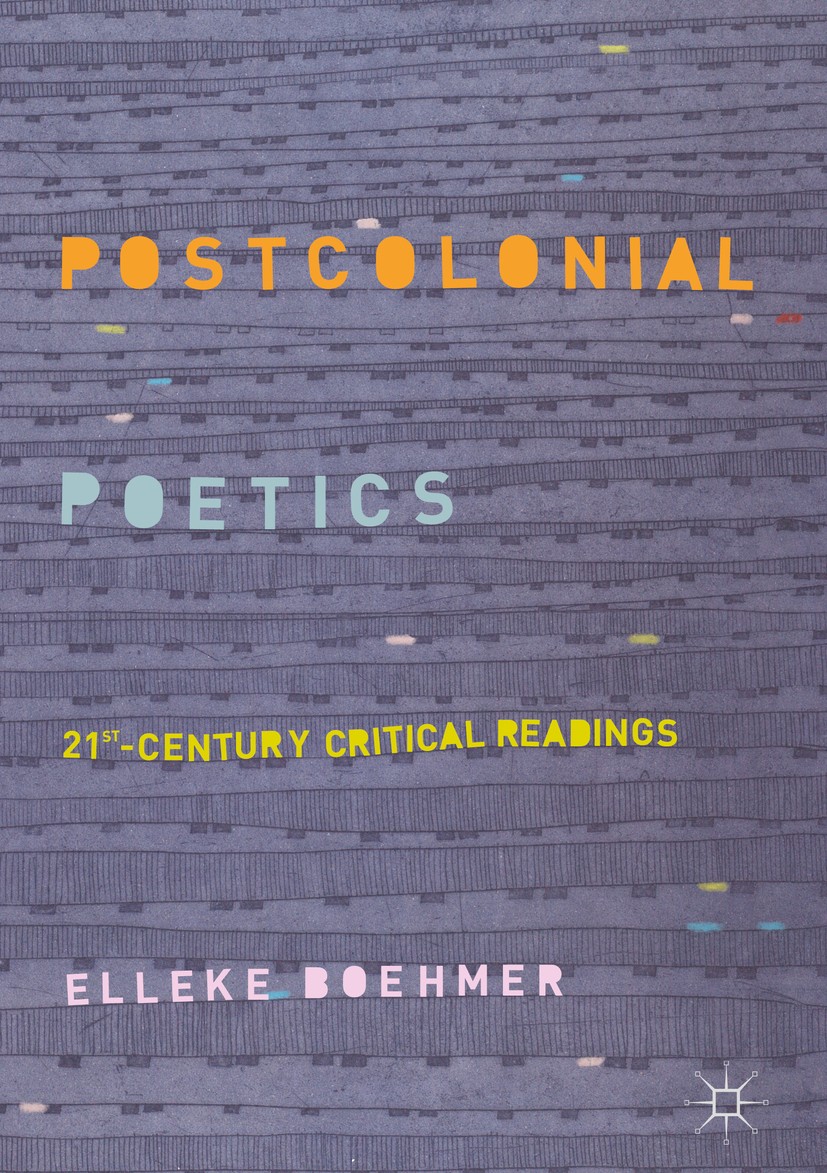
245 10|aPostcolonial Poetics|h[electronic resource] :|b21st-Century Critical Readings /|cby Elleke Boehmer.
250 |a1st ed. 2018.
264 1|aCham :|bSpringer International Publishing :|bImprint: Palgrave Macmillan,|c2018.
300 |aXIV, 220 p.|bonline resource.
336 |atext|btxt|2rdacontent
337 |acomputer|bc|2rdamedia
338 |aonline resource|bcr|2rdacarrier
347 |atext file|bPDF|2rda
505 0 |a1. Postcolonial poetics—a score for reading -- 2. Questions of postcolonial poetics -- 3. Revisiting Resistance literature—writing in juxtaposition -- 4. Postcolonial writing, terror, and continuity: Okri, D’Aguiar, NourbeSe Philip, Shire -- 5. Repetitive poetics—when crisis defines a nation’s writing. Contemporary South African novels -- 6. Poetics and persistence: Chinua Achebe’s shaping influence -- 7. Concepts of exchange—poetics in postcolonial, world, and world-system literatures -- 8. The transformative force of the postcolonial line: protest poetry and the global short story.
520 |aPostcolonial Poetics is about how we read postcolonial and world literatures today, and about how the structures of that writing shape our reading. The book’s eight chapters explore the ways in which postcolonial writing in English from various 21st-century contexts, including southern and West Africa, and Black and Asian Britain, interacts with our imaginative understanding of the world. Throughout, the focus is on reading practices, where reading is taken as an inventive, border-traversing activity, one that postcolonial writing with its interests in margins, intersections, subversions, and crossings specifically encourages. This close, sustained focus on reading, reception, and literariness is an outstanding feature of the study, as is its wide generic range, embracing poetry, essays, and life-writing, as well as fiction. The field-defining scholar Elleke Boehmer holds that literature has the capacity to keep reimagining and refreshing how we understand ourselves in relation to the world and to some of the most pressing questions of our time, including resistance, reconciliation, survival after terror, and migration.
650 0|aLiterature.
650 0|aAfrican literature.
650 0|aLiterature, Modern|x20th century.
650 0|aLiterature, Modern|x21st century.
650 14|aWorld Literature.
650 24|aAfrican Literature.
650 24|aContemporary Literature.
710 2 |aSpringerLink (Online service)
773 0 |tSpringer Nature eBook
776 08|iPrinted edition:|z9783319903408
776 08|iPrinted edition:|z9783319903422
776 08|iPrinted edition:|z9783030079956
856 40|uhttps://doi.org/10.1007/978-3-319-90341-5
912 |aZDB-2-LCM
912 |aZDB-2-SXL
950 |aLiterature, Cultural and Media Studies (SpringerNature-41173)
950 |aLiterature, Cultural and Media Studies (R0) (SpringerNature-43723)