LEADER 03603nam a22004935i 4500
001 842167
003 TR_AnAIT
005 20260715024426
007 cr nn 008mamaa
008 171122s2017 sz | s |||| 0|eng d
020 |a9783319637785|9978-3-319-63778-5
024 7 |a10.1007/978-3-319-63778-5|2doi
041 |aeng
049 |aTürk Dil Kurumu Kütüphanesi
050 4|aHM623
072 7|aJFC|2bicssc
072 7|aSOC000000|2bisacsh
072 7|aJBCC|2thema
082 04|a306.01|223
090 |aEK/5377
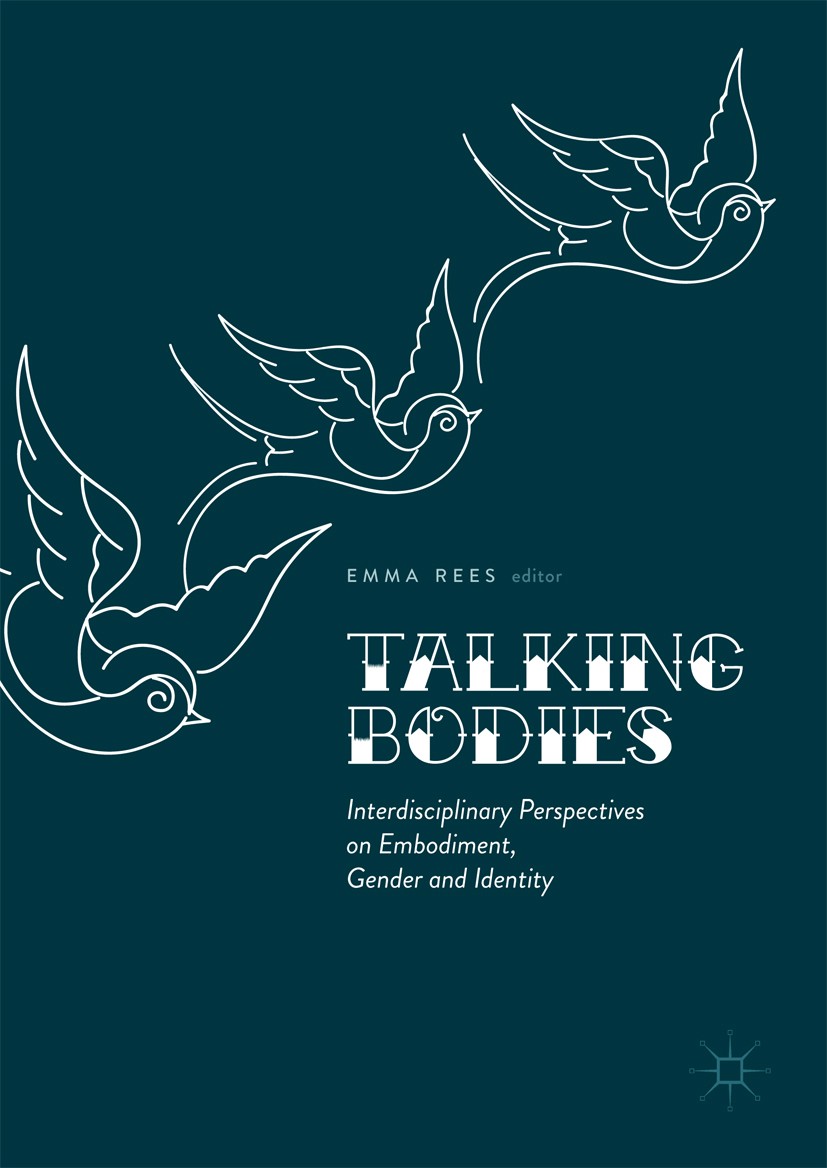
245 10|aTalking Bodies|h[electronic resource] :|bInterdisciplinary Perspectives on Embodiment, Gender and Identity /|cedited by Emma Rees.
250 |a1st ed. 2017.
264 1|aCham :|bSpringer International Publishing :|bImprint: Palgrave Macmillan,|c2017.
300 |aXIII, 233 p. 3 illus.|bonline resource.
336 |atext|btxt|2rdacontent
337 |acomputer|bc|2rdamedia
338 |aonline resource|bcr|2rdacarrier
347 |atext file|bPDF|2rda
505 0 |a1. Introduction: Varieties of Embodiment and ‘Corporeal Style’; Emma L. E. Rees.- 2. Edith Wharton: an Heiress to Gay Male Sexual Radicalism?; Naomi Wolf.- 3. Losing Face Among the Natives: ‘something about tattooing and tabooing’ in Melville’s Typee; Graham Atkin.- 4. What the Body Tells us: Transgender Strategies, Beauty, and Self-Consciousness; Marzia Mauriello.- 5.Tattoos: an Embodiment of Desire; Nina Nyman.- 6. Learning Womanhood: Body Modification, Girls and Identity; Abigail Tazzyman.- 7. The Construction of a Personal Norm of Physical and Psychological ‘Well-Being’ in Female Discourse; Maria Krebber.- 8. No Body, No Crime? (Representations of) Sexual Violence Online; Jemma Tosh -- 9. Heteronormativity as a Painful Script: How Women with Vulvar Pain (re)Negotiate Sexual Practice; Renita Sörensdotter -- 10. Queer Wounds: Writing Autobiography Past the Limits of Language; Quinn Eades -- 11.The Trouble with Body Image: the Need for a Better Corporeal Vocabulary; Melisa Trujillo.
520 |aIn this collection leading thinkers, writers, and activists offer their responses to the simple question “do I have a body, or am I my body?”. The essays engage with the array of meanings that our bodies have today, ranging from considerations of nineteenth-century discourses of bodily shame and otherness, through to arguing for a brand new corporeal vocabulary for the twenty-first century. Increasing numbers of people are choosing to modify their bodies, but as the essays in this volume show, this is far from being a new practice: over hundreds of years, it has evolved and accrued new meanings. This richly interdisciplinary volume maps a range of cultural anxieties about the body, resulting in a timely and compelling book that makes a vital contribution to today’s key debates about embodiment. .
650 0|aCulture|xStudy and teaching.
650 0|aFeminism.
650 0|aFeminist theory.
650 0|aHuman body|xSocial aspects.
650 14|aCultural Theory.
650 24|aFeminism and Feminist Theory.
650 24|aSociology of the Body.
700 1 |aRees, Emma.|eeditor.|4edt|4http://id.loc.gov/vocabulary/relators/edt
710 2 |aSpringerLink (Online service)
773 0 |tSpringer Nature eBook
776 08|iPrinted edition:|z9783319637778
776 08|iPrinted edition:|z9783319637792
856 40|uhttps://doi.org/10.1007/978-3-319-63778-5
912 |aZDB-2-LCM
912 |aZDB-2-SXL
950 |aLiterature, Cultural and Media Studies (SpringerNature-41173)
950 |aLiterature, Cultural and Media Studies (R0) (SpringerNature-43723)