LEADER 03383nam a22005295i 4500
001 842426
003 TR_AnAIT
005 20260715025135
007 cr nn 008mamaa
008 180525s2018 sz | s |||| 0|eng d
020 |a9783319914336|9978-3-319-91433-6
024 7 |a10.1007/978-3-319-91433-6|2doi
041 |aeng
049 |aTürk Dil Kurumu Kütüphanesi
050 4|aPN695-779
072 7|aDSBH|2bicssc
072 7|aLIT024000|2bisacsh
072 7|aDSBH|2thema
082 04|a809.05|223
090 |aEK/3738
100 1 |aCampbell, Ian.|eauthor.|4aut|4http://id.loc.gov/vocabulary/relators/aut
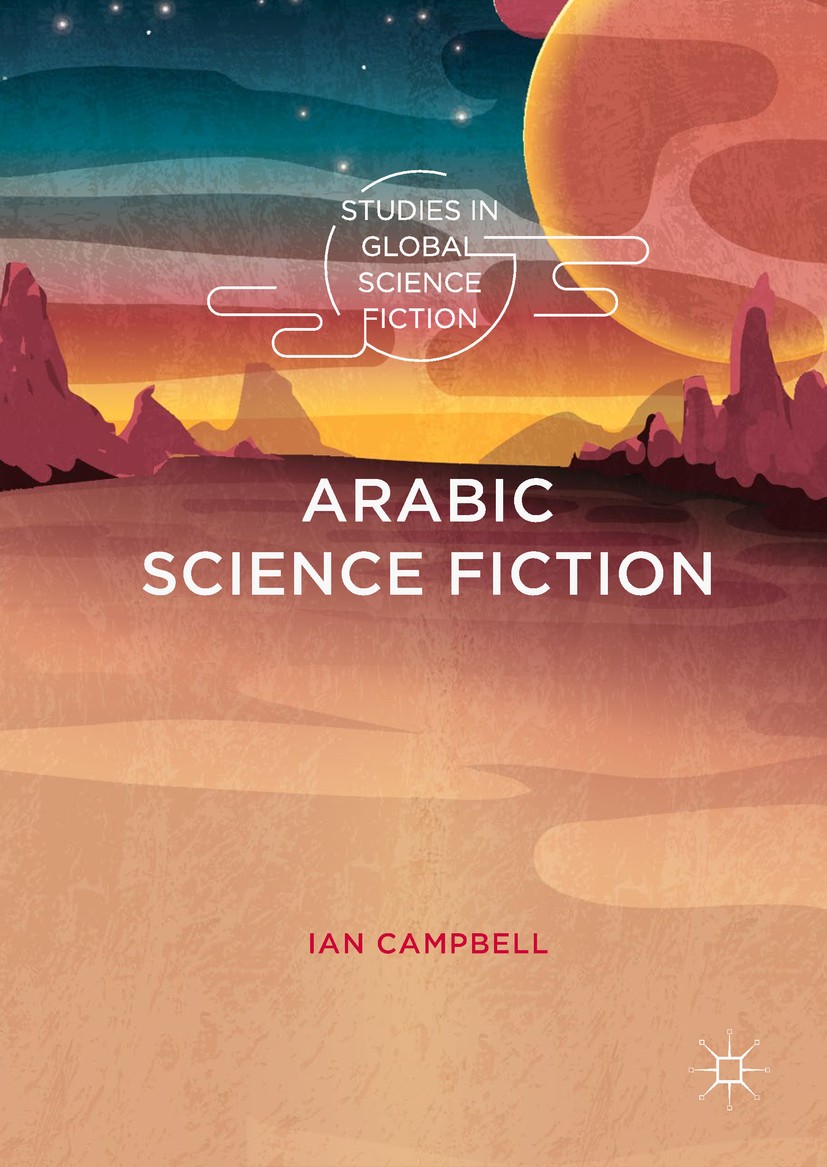
245 10|aArabic Science Fiction|h[electronic resource] /|cby Ian Campbell.
250 |a1st ed. 2018.
264 1|aCham :|bSpringer International Publishing :|bImprint: Palgrave Macmillan,|c2018.
300 |aXI, 322 p.|bonline resource.
336 |atext|btxt|2rdacontent
337 |acomputer|bc|2rdamedia
338 |aonline resource|bcr|2rdacarrier
347 |atext file|bPDF|2rda
490 1 |aStudies in Global Science Fiction,|x2569-8834
505 0 |aChapter 1:Introduction -- Chapter 2: Postcolonial Literature and Arabic SF -- Chapter 3: Arabic SF: Definitions and Origins -- Chapter 4: Criticism and Theory of Arabic SF -- Chapter 5: Double Estrangement in Nihād Sharīf’s The Conqueror of Time -- Chapter 6: Continuity Within Rupture in Two Novels by Muṣṭafā Maḥmūd -- Chapter 7: “Utopia” as a Critique of Utopia in Ṣabrī Mūsā’s The Gentleman from the Spinach Field -- Chapter 8: Male Gaze as Colonial Gaze in ’Aḥmad ‘Abd al-Salām al-Baqqāli’s The Blue Flood -- Chapter 9: Mysticism and SF in Ṭālib ‘Umrān’s Beyond The Veil of Time -- Chapter 10: Inheritance and Intertextuality in a Three-Novel Series by Ṭība ’Aḥmad Ibrāhīm -- Chapter 11: Conclusion.
520 |aThis book traces the roots of Arabic science fiction through classical and medieval Arabic literature, undertaking close readings of formative texts of Arabic science fiction via a critical framework developed from the work of Western critics of Western science fiction, Arab critics of Arabic science fiction and postcolonial theorists of literature. Ian Campbell investigates the ways in which Arabic science fiction engages with a theoretical concept he terms “double estrangement” wherein these texts provide social or political criticism through estrangement and simultaneously critique their own societies’ inability or refusal to engage in the sort of modernization that would lead the Arab world back to leadership in science and technology.
650 0|aLiterature, Modern|x20th century.
650 0|aLiterature, Modern|x21st century.
650 0|aMiddle Eastern literature.
650 0|aFiction.
650 14|aContemporary Literature.
650 24|aMiddle Eastern Literature.
650 24|aFiction Literature.
710 2 |aSpringerLink (Online service)
773 0 |tSpringer Nature eBook
776 08|iPrinted edition:|z9783319914329
776 08|iPrinted edition:|z9783319914343
776 08|iPrinted edition:|z9783030082543
830 0|aStudies in Global Science Fiction,|x2569-8834
856 40|uhttps://doi.org/10.1007/978-3-319-91433-6
912 |aZDB-2-LCM
912 |aZDB-2-SXL
950 |aLiterature, Cultural and Media Studies (SpringerNature-41173)
950 |aLiterature, Cultural and Media Studies (R0) (SpringerNature-43723)