

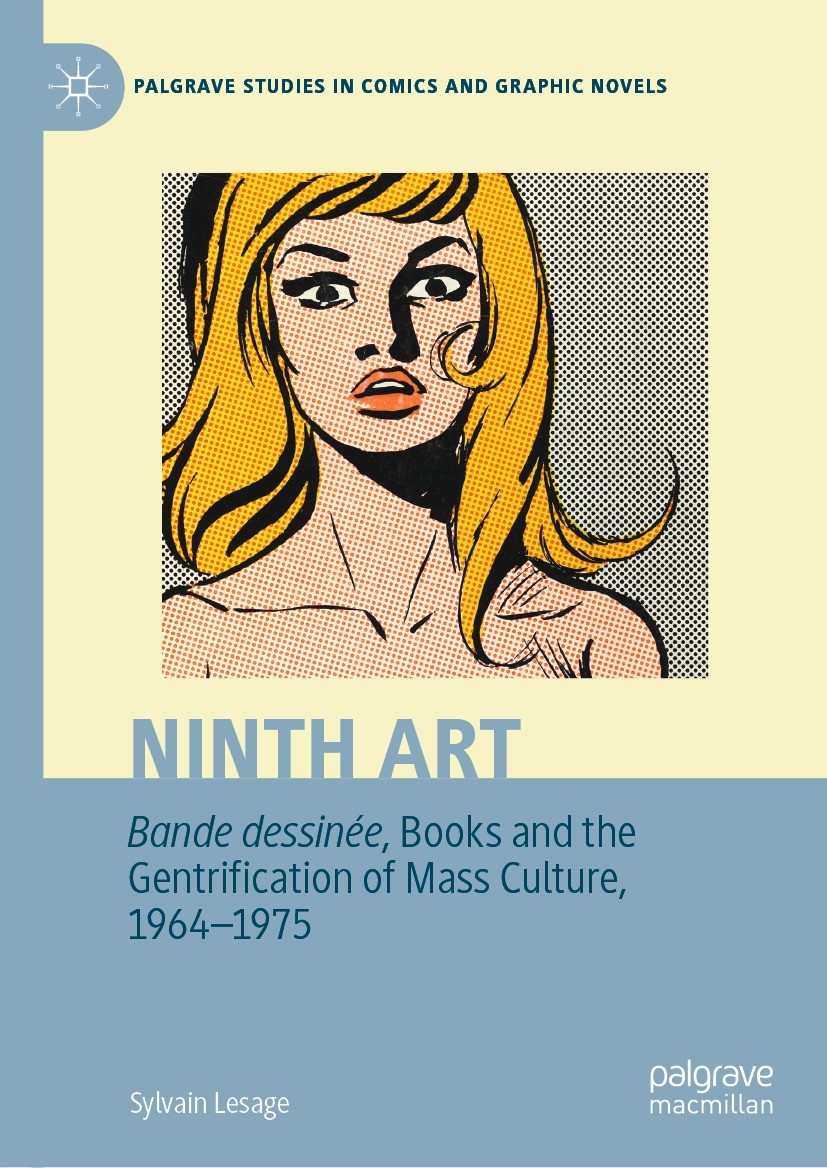
Ninth Art. Bande dessinée, Books and the Gentrification of Mass Culture, 1964-1975 [electronic resource] / by Sylvain Lesage.
Erişim Adresi
ISBN
9783031170010
Dil Kodu
İngilizce
Yer Numarası
EK/6122
Basım Bildirimi
1st ed. 2023.
Yayın Bilgisi
Cham : Springer International Publishing : Imprint: Palgrave Macmillan, 2023.
Fiziksel Niteleme
XV, 201 p. 37 illus., 31 illus. in color. online resource.
Dizi
Palgrave Studies in Comics and Graphic Novels, 2634-6389
İçindekiler Notu
1. Introduction -- 2. Barbarella: Inventing comics for adults (1964-1968) -- 3. Flash Gordon and the transatlantic construction of a ninth art heritage (1968) -- 4. Astérix and the million-copies comics industry (1966) -- 5. Sharks, pirates, and ghosts. Authorship and the challenge of transmedia storytelling (Tintin et le lac aux requins, 1973) -- 6. Alternative comics publishing: Futuropolis and the artification of comics publishing -- 7. The author as publisher: Claire Bretécher, Les Frustrés, 1975 -- 8. Casterman and the birth of the French-language graphic novel -- 9. Conclusion.
Özet, vb.
In France, comics are commonly referred to as the "ninth art". What does it mean to see comics as art? This book looks at the singular status of comics in the French cultural landscape. Bandes dessinées have long been published in French newspapers and magazines. In the early 1960s, a new standard format emerged: large hardback books, called albums. Albums played a key role in the emergence of the ninth art and its acceptance among other forms of literary narrative. From Barbarella in 1964 to La Ballade de la mer salée in 1975, from Astérix and its million copies to Tintin and its screen versions, within the space of just a few years the comics landscape underwent a deep transformation. The album opened up new ways of creating, distributing, and reading bandes dessinées. This shift upended the market, transformed readership, initiated new transmedia adaptations, generatedcritical discourse, and gave birth to new kinds of comics fandom. These transformations are analysed through a series of case studies, each focusing on a noteworthy album. By retracing the publishing and critical history of these classic bandes dessinées, this book questions the blind spots of a canon based on the album format and uncovers the legitimisation processes that turned bande dessinée into the ninth art. .
Konu
Comic books, strips, etc. __ Influence on mass media.
Popular Culture.
European literature.
Culture __ Study and teaching.
Comics Studies.
Popular Culture.
European Literature.
Visual Culture.
Popular Culture.
European literature.
Culture __ Study and teaching.
Comics Studies.
Popular Culture.
European Literature.
Visual Culture.
Kurum Adı
Eseri Alıntıla
Referansları kullanmadan önce gözden geçirmeniz ve varsa gerekli düzeltmeleri yapmanız önerilir.
Dijital Kaynak
MARC Görünümü
LEADER 05331nam a22007095i 4500
001 842727
003 TR_AnAIT
005 20260715025943
007 cr nn 008mamaa
008 221231s2023 sz | s |||| 0|eng d
020 |a9783031170010|9978-3-031-17001-0
024 7 |a10.1007/978-3-031-17001-0|2doi
041 |aeng
049 |aTürk Dil Kurumu Kütüphanesi
050 4|aP94.6-.65
050 4|aPN6700-6790
072 7|aJFD|2bicssc
072 7|aFX|2bicssc
072 7|aSOC052000|2bisacsh
072 7|aJBCT|2thema
072 7|aX|2thema
082 04|a306.488|223
082 04|a741.5|223
090 |aEK/6122
100 1 |aLesage, Sylvain.|eauthor.|0(orcid)0000-0002-8462-0957|1https://orcid.org/0000-0002-8462-0957|4aut|4http://id.loc.gov/vocabulary/relators/aut
245 10|aNinth Art. Bande dessinée, Books and the Gentrification of Mass Culture, 1964-1975|h[electronic resource] /|cby Sylvain Lesage.
250 |a1st ed. 2023.
264 1|aCham :|bSpringer International Publishing :|bImprint: Palgrave Macmillan,|c2023.
300 |aXV, 201 p. 37 illus., 31 illus. in color.|bonline resource.
336 |atext|btxt|2rdacontent
337 |acomputer|bc|2rdamedia
338 |aonline resource|bcr|2rdacarrier
341 0 |bTable of contents navigation|2onix
341 0 |bSingle logical reading order|2onix
341 0 |bShort alternative textual descriptions|2onix
341 0 |bUse of color is not sole means of conveying information|2onix
341 0 |bUse of high contrast between text and background color|2onix
341 0 |bNext / Previous structural navigation|2onix
341 0 |bAll non-decorative content supports reading without sight|2onix
347 |atext file|bPDF|2rda
490 1 |aPalgrave Studies in Comics and Graphic Novels,|x2634-6389
505 0 |a1. Introduction -- 2. Barbarella: Inventing comics for adults (1964-1968) -- 3. Flash Gordon and the transatlantic construction of a ninth art heritage (1968) -- 4. Astérix and the million-copies comics industry (1966) -- 5. Sharks, pirates, and ghosts. Authorship and the challenge of transmedia storytelling (Tintin et le lac aux requins, 1973) -- 6. Alternative comics publishing: Futuropolis and the artification of comics publishing -- 7. The author as publisher: Claire Bretécher, Les Frustrés, 1975 -- 8. Casterman and the birth of the French-language graphic novel -- 9. Conclusion.
520 |aIn France, comics are commonly referred to as the "ninth art". What does it mean to see comics as art? This book looks at the singular status of comics in the French cultural landscape. Bandes dessinées have long been published in French newspapers and magazines. In the early 1960s, a new standard format emerged: large hardback books, called albums. Albums played a key role in the emergence of the ninth art and its acceptance among other forms of literary narrative. From Barbarella in 1964 to La Ballade de la mer salée in 1975, from Astérix and its million copies to Tintin and its screen versions, within the space of just a few years the comics landscape underwent a deep transformation. The album opened up new ways of creating, distributing, and reading bandes dessinées. This shift upended the market, transformed readership, initiated new transmedia adaptations, generatedcritical discourse, and gave birth to new kinds of comics fandom. These transformations are analysed through a series of case studies, each focusing on a noteworthy album. By retracing the publishing and critical history of these classic bandes dessinées, this book questions the blind spots of a canon based on the album format and uncovers the legitimisation processes that turned bande dessinée into the ninth art. .
532 8 |aAccessibility summary: This PDF does not fully comply with PDF/UA standards, but does feature limited screen reader support, described non-text content (images, graphs), bookmarks for easy navigation and searchable, selectable text. Users of assistive technologies may experience difficulty navigating or interpreting content in this document. We recognize the importance of accessibility, and we welcome queries about accessibility for any of our products. If you have a question or an access need, please get in touch with us at accessibilitysupport@springernature.com.
532 8 |aNo reading system accessibility options actively disabled
532 8 |aPublisher contact for further accessibility information: accessibilitysupport@springernature.com
650 0|aComic books, strips, etc.|xInfluence on mass media.
650 0|aPopular Culture.
650 0|aEuropean literature.
650 0|aCulture|xStudy and teaching.
650 14|aComics Studies.
650 24|aPopular Culture.
650 24|aEuropean Literature.
650 24|aVisual Culture.
710 2 |aSpringerLink (Online service)
773 0 |tSpringer Nature eBook
776 08|iPrinted edition:|z9783031170003
776 08|iPrinted edition:|z9783031170027
776 08|iPrinted edition:|z9783031170034
830 0|aPalgrave Studies in Comics and Graphic Novels,|x2634-6389
856 40|uhttps://doi.org/10.1007/978-3-031-17001-0
912 |aZDB-2-LCM
912 |aZDB-2-SXL
950 |aLiterature, Cultural and Media Studies (SpringerNature-41173)
950 |aLiterature, Cultural and Media Studies (R0) (SpringerNature-43723)
001 842727
003 TR_AnAIT
005 20260715025943
007 cr nn 008mamaa
008 221231s2023 sz | s |||| 0|eng d
020 |a9783031170010|9978-3-031-17001-0
024 7 |a10.1007/978-3-031-17001-0|2doi
041 |aeng
049 |aTürk Dil Kurumu Kütüphanesi
050 4|aP94.6-.65
050 4|aPN6700-6790
072 7|aJFD|2bicssc
072 7|aFX|2bicssc
072 7|aSOC052000|2bisacsh
072 7|aJBCT|2thema
072 7|aX|2thema
082 04|a306.488|223
082 04|a741.5|223
090 |aEK/6122
100 1 |aLesage, Sylvain.|eauthor.|0(orcid)0000-0002-8462-0957|1https://orcid.org/0000-0002-8462-0957|4aut|4http://id.loc.gov/vocabulary/relators/aut
245 10|aNinth Art. Bande dessinée, Books and the Gentrification of Mass Culture, 1964-1975|h[electronic resource] /|cby Sylvain Lesage.
250 |a1st ed. 2023.
264 1|aCham :|bSpringer International Publishing :|bImprint: Palgrave Macmillan,|c2023.
300 |aXV, 201 p. 37 illus., 31 illus. in color.|bonline resource.
336 |atext|btxt|2rdacontent
337 |acomputer|bc|2rdamedia
338 |aonline resource|bcr|2rdacarrier
341 0 |bTable of contents navigation|2onix
341 0 |bSingle logical reading order|2onix
341 0 |bShort alternative textual descriptions|2onix
341 0 |bUse of color is not sole means of conveying information|2onix
341 0 |bUse of high contrast between text and background color|2onix
341 0 |bNext / Previous structural navigation|2onix
341 0 |bAll non-decorative content supports reading without sight|2onix
347 |atext file|bPDF|2rda
490 1 |aPalgrave Studies in Comics and Graphic Novels,|x2634-6389
505 0 |a1. Introduction -- 2. Barbarella: Inventing comics for adults (1964-1968) -- 3. Flash Gordon and the transatlantic construction of a ninth art heritage (1968) -- 4. Astérix and the million-copies comics industry (1966) -- 5. Sharks, pirates, and ghosts. Authorship and the challenge of transmedia storytelling (Tintin et le lac aux requins, 1973) -- 6. Alternative comics publishing: Futuropolis and the artification of comics publishing -- 7. The author as publisher: Claire Bretécher, Les Frustrés, 1975 -- 8. Casterman and the birth of the French-language graphic novel -- 9. Conclusion.
520 |aIn France, comics are commonly referred to as the "ninth art". What does it mean to see comics as art? This book looks at the singular status of comics in the French cultural landscape. Bandes dessinées have long been published in French newspapers and magazines. In the early 1960s, a new standard format emerged: large hardback books, called albums. Albums played a key role in the emergence of the ninth art and its acceptance among other forms of literary narrative. From Barbarella in 1964 to La Ballade de la mer salée in 1975, from Astérix and its million copies to Tintin and its screen versions, within the space of just a few years the comics landscape underwent a deep transformation. The album opened up new ways of creating, distributing, and reading bandes dessinées. This shift upended the market, transformed readership, initiated new transmedia adaptations, generatedcritical discourse, and gave birth to new kinds of comics fandom. These transformations are analysed through a series of case studies, each focusing on a noteworthy album. By retracing the publishing and critical history of these classic bandes dessinées, this book questions the blind spots of a canon based on the album format and uncovers the legitimisation processes that turned bande dessinée into the ninth art. .
532 8 |aAccessibility summary: This PDF does not fully comply with PDF/UA standards, but does feature limited screen reader support, described non-text content (images, graphs), bookmarks for easy navigation and searchable, selectable text. Users of assistive technologies may experience difficulty navigating or interpreting content in this document. We recognize the importance of accessibility, and we welcome queries about accessibility for any of our products. If you have a question or an access need, please get in touch with us at accessibilitysupport@springernature.com.
532 8 |aNo reading system accessibility options actively disabled
532 8 |aPublisher contact for further accessibility information: accessibilitysupport@springernature.com
650 0|aComic books, strips, etc.|xInfluence on mass media.
650 0|aPopular Culture.
650 0|aEuropean literature.
650 0|aCulture|xStudy and teaching.
650 14|aComics Studies.
650 24|aPopular Culture.
650 24|aEuropean Literature.
650 24|aVisual Culture.
710 2 |aSpringerLink (Online service)
773 0 |tSpringer Nature eBook
776 08|iPrinted edition:|z9783031170003
776 08|iPrinted edition:|z9783031170027
776 08|iPrinted edition:|z9783031170034
830 0|aPalgrave Studies in Comics and Graphic Novels,|x2634-6389
856 40|uhttps://doi.org/10.1007/978-3-031-17001-0
912 |aZDB-2-LCM
912 |aZDB-2-SXL
950 |aLiterature, Cultural and Media Studies (SpringerNature-41173)
950 |aLiterature, Cultural and Media Studies (R0) (SpringerNature-43723)
Materyaller
Depodan talep edilen materyal sadece kütüphane içerisinde kullanılmaktadır.
Materyal dışarıya ödünç verilmemektedir.
Materyal dışarıya ödünç verilmemektedir.
