

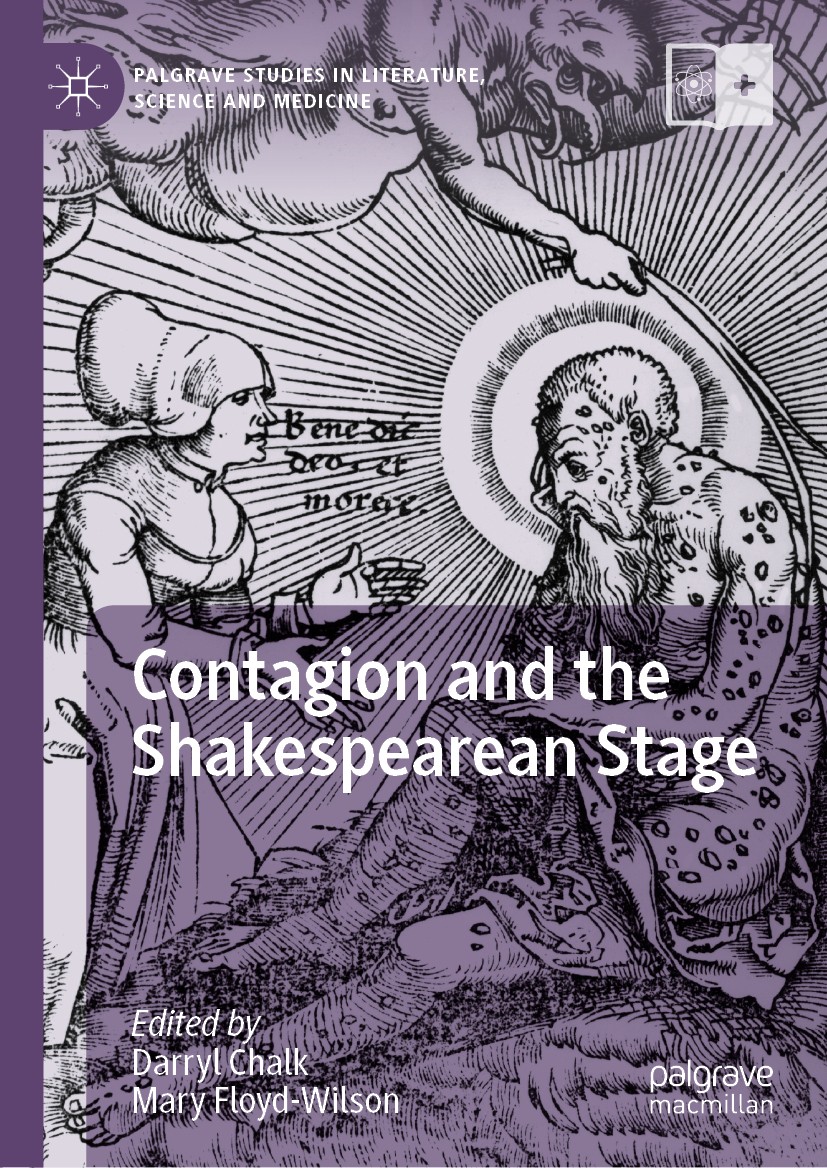
Contagion and the Shakespearean Stage [electronic resource] / edited by Darryl Chalk, Mary Floyd-Wilson.
Erişim Adresi
ISBN
9783030144289
Dil Kodu
İngilizce
Yer Numarası
EK/3127
Basım Bildirimi
1st ed. 2019.
Yayın Bilgisi
Cham : Springer International Publishing : Imprint: Palgrave Macmillan, 2019.
Fiziksel Niteleme
XII, 292 p. 1 illus. online resource.
Dizi
Palgrave Studies in Literature, Science and Medicine, 2634-6443
İçindekiler Notu
1. Introduction: Beyond the Plague - Darryl Chalk -- 2. Comedy, the Senses, and Social Contagion in Plays Confused in Five Actions and The Comedy of Errors - Jennie Votava -- 3. "A Deal of Stinking Breath": The Smell of Contagion in the Early Modern Playhouse - Amy Kenny -- 4. "Go Touch his Life": Contagious Malice and the Power of Touch in The Witch of Edmonton - Bronwyn Johnston -- 5. Kisses and Contagion in Troilus and Cressida - Jennifer Forsyth -- 6. "Search this Ulcer Soundly": Sex as Contagion in The Changeling and Othello - Emily Weissbourd -- 7. "Amend thy Face": Contagion and Disgust in the Henriad - Ariane M. Balizet -- 8. Bad Dancing and Contagious Embarrassment in More Dissemblers Besides Women - Jennifer Panek -- 9. Contagious Pity: Cultural Differences and the Language of Contagion in Titus Andronicus - Jennifer Feather -- 10. The Hungry Meme and Political Contagion in Coriolanus - Clifford Werier -- 11. Hamlet's Story/Stories of Hamlet: Shakespeare's Theatre, the Plague, and Contagious Storytelling - J. F. Bernard -- 12. "Nature Naturized": Plague, Contagious Atheism, and The Alchemist - John Estabillo -- 12. Embedded in Shakespeare's "Fair Verona" - Rebecca Totaro -- 13. Afterword - Mary Floyd-Wilson.
Özet, vb.
This collection of essays considers what constituted contagion in the minds of early moderns in the absence of modern germ theory. In a wide range of essays focused on early modern drama and the culture of theater, contributors explore how ideas of contagion not only inform representations of the senses (such as smell and touch) and emotions (such as disgust, pity, and shame) but also shape how people understood belief, narrative, and political agency. Epidemic thinking was not limited to medical inquiry or the narrow study of a particular disease. Shakespeare, Thomas Middleton, Ben Jonson, Thomas Dekker and other early modern writers understood that someone might be infected or transformed by the presence of others, through various kinds of exchange, or if exposed to certain ideas, practices, or environmental conditions. The discourse and concept of contagion provides a lens for understanding early modern theatrical performance, dramatic plots, and theater-going itself.
Konu
European literature __ Renaissance, 1450-1600.
Literature __ History and criticism.
Theater __ History.
European literature.
Early Modern and Renaissance Literature.
Literary History.
Theatre History.
European Literature.
Literature __ History and criticism.
Theater __ History.
European literature.
Early Modern and Renaissance Literature.
Literary History.
Theatre History.
European Literature.
Diğer Yazarlar
Kurum Adı
Eseri Alıntıla
Referansları kullanmadan önce gözden geçirmeniz ve varsa gerekli düzeltmeleri yapmanız önerilir.
Dijital Kaynak
MARC Görünümü
LEADER 04332nam a22005535i 4500
001 842953
003 TR_AnAIT
005 20260715031437
007 cr nn 008mamaa
008 190617s2019 sz | s |||| 0|eng d
020 |a9783030144289|9978-3-030-14428-9
024 7 |a10.1007/978-3-030-14428-9|2doi
041 |aeng
049 |aTürk Dil Kurumu Kütüphanesi
050 4|aPN715-749
072 7|aDSB|2bicssc
072 7|aLIT024000|2bisacsh
072 7|aDSB|2thema
082 04|a809.03|223
090 |aEK/3127
245 10|aContagion and the Shakespearean Stage|h[electronic resource] /|cedited by Darryl Chalk, Mary Floyd-Wilson.
250 |a1st ed. 2019.
264 1|aCham :|bSpringer International Publishing :|bImprint: Palgrave Macmillan,|c2019.
300 |aXII, 292 p. 1 illus.|bonline resource.
336 |atext|btxt|2rdacontent
337 |acomputer|bc|2rdamedia
338 |aonline resource|bcr|2rdacarrier
347 |atext file|bPDF|2rda
490 1 |aPalgrave Studies in Literature, Science and Medicine,|x2634-6443
505 0 |a1. Introduction: Beyond the Plague - Darryl Chalk -- 2. Comedy, the Senses, and Social Contagion in Plays Confused in Five Actions and The Comedy of Errors - Jennie Votava -- 3. "A Deal of Stinking Breath": The Smell of Contagion in the Early Modern Playhouse - Amy Kenny -- 4. "Go Touch his Life": Contagious Malice and the Power of Touch in The Witch of Edmonton - Bronwyn Johnston -- 5. Kisses and Contagion in Troilus and Cressida - Jennifer Forsyth -- 6. "Search this Ulcer Soundly": Sex as Contagion in The Changeling and Othello - Emily Weissbourd -- 7. "Amend thy Face": Contagion and Disgust in the Henriad - Ariane M. Balizet -- 8. Bad Dancing and Contagious Embarrassment in More Dissemblers Besides Women - Jennifer Panek -- 9. Contagious Pity: Cultural Differences and the Language of Contagion in Titus Andronicus - Jennifer Feather -- 10. The Hungry Meme and Political Contagion in Coriolanus - Clifford Werier -- 11. Hamlet's Story/Stories of Hamlet: Shakespeare's Theatre, the Plague, and Contagious Storytelling - J. F. Bernard -- 12. "Nature Naturized": Plague, Contagious Atheism, and The Alchemist - John Estabillo -- 12. Embedded in Shakespeare's "Fair Verona" - Rebecca Totaro -- 13. Afterword - Mary Floyd-Wilson.
520 |aThis collection of essays considers what constituted contagion in the minds of early moderns in the absence of modern germ theory. In a wide range of essays focused on early modern drama and the culture of theater, contributors explore how ideas of contagion not only inform representations of the senses (such as smell and touch) and emotions (such as disgust, pity, and shame) but also shape how people understood belief, narrative, and political agency. Epidemic thinking was not limited to medical inquiry or the narrow study of a particular disease. Shakespeare, Thomas Middleton, Ben Jonson, Thomas Dekker and other early modern writers understood that someone might be infected or transformed by the presence of others, through various kinds of exchange, or if exposed to certain ideas, practices, or environmental conditions. The discourse and concept of contagion provides a lens for understanding early modern theatrical performance, dramatic plots, and theater-going itself.
650 0|aEuropean literature|xRenaissance, 1450-1600.
650 0|aLiterature|xHistory and criticism.
650 0|aTheater|xHistory.
650 0|aEuropean literature.
650 14|aEarly Modern and Renaissance Literature.
650 24|aLiterary History.
650 24|aTheatre History.
650 24|aEuropean Literature.
700 1 |aChalk, Darryl.|eeditor.|4edt|4http://id.loc.gov/vocabulary/relators/edt
700 1 |aFloyd-Wilson, Mary.|eeditor.|4edt|4http://id.loc.gov/vocabulary/relators/edt
710 2 |aSpringerLink (Online service)
773 0 |tSpringer Nature eBook
776 08|iPrinted edition:|z9783030144272
776 08|iPrinted edition:|z9783030144296
776 08|iPrinted edition:|z9783030144302
830 0|aPalgrave Studies in Literature, Science and Medicine,|x2634-6443
856 40|uhttps://doi.org/10.1007/978-3-030-14428-9
912 |aZDB-2-LCM
912 |aZDB-2-SXL
950 |aLiterature, Cultural and Media Studies (SpringerNature-41173)
950 |aLiterature, Cultural and Media Studies (R0) (SpringerNature-43723)
001 842953
003 TR_AnAIT
005 20260715031437
007 cr nn 008mamaa
008 190617s2019 sz | s |||| 0|eng d
020 |a9783030144289|9978-3-030-14428-9
024 7 |a10.1007/978-3-030-14428-9|2doi
041 |aeng
049 |aTürk Dil Kurumu Kütüphanesi
050 4|aPN715-749
072 7|aDSB|2bicssc
072 7|aLIT024000|2bisacsh
072 7|aDSB|2thema
082 04|a809.03|223
090 |aEK/3127
245 10|aContagion and the Shakespearean Stage|h[electronic resource] /|cedited by Darryl Chalk, Mary Floyd-Wilson.
250 |a1st ed. 2019.
264 1|aCham :|bSpringer International Publishing :|bImprint: Palgrave Macmillan,|c2019.
300 |aXII, 292 p. 1 illus.|bonline resource.
336 |atext|btxt|2rdacontent
337 |acomputer|bc|2rdamedia
338 |aonline resource|bcr|2rdacarrier
347 |atext file|bPDF|2rda
490 1 |aPalgrave Studies in Literature, Science and Medicine,|x2634-6443
505 0 |a1. Introduction: Beyond the Plague - Darryl Chalk -- 2. Comedy, the Senses, and Social Contagion in Plays Confused in Five Actions and The Comedy of Errors - Jennie Votava -- 3. "A Deal of Stinking Breath": The Smell of Contagion in the Early Modern Playhouse - Amy Kenny -- 4. "Go Touch his Life": Contagious Malice and the Power of Touch in The Witch of Edmonton - Bronwyn Johnston -- 5. Kisses and Contagion in Troilus and Cressida - Jennifer Forsyth -- 6. "Search this Ulcer Soundly": Sex as Contagion in The Changeling and Othello - Emily Weissbourd -- 7. "Amend thy Face": Contagion and Disgust in the Henriad - Ariane M. Balizet -- 8. Bad Dancing and Contagious Embarrassment in More Dissemblers Besides Women - Jennifer Panek -- 9. Contagious Pity: Cultural Differences and the Language of Contagion in Titus Andronicus - Jennifer Feather -- 10. The Hungry Meme and Political Contagion in Coriolanus - Clifford Werier -- 11. Hamlet's Story/Stories of Hamlet: Shakespeare's Theatre, the Plague, and Contagious Storytelling - J. F. Bernard -- 12. "Nature Naturized": Plague, Contagious Atheism, and The Alchemist - John Estabillo -- 12. Embedded in Shakespeare's "Fair Verona" - Rebecca Totaro -- 13. Afterword - Mary Floyd-Wilson.
520 |aThis collection of essays considers what constituted contagion in the minds of early moderns in the absence of modern germ theory. In a wide range of essays focused on early modern drama and the culture of theater, contributors explore how ideas of contagion not only inform representations of the senses (such as smell and touch) and emotions (such as disgust, pity, and shame) but also shape how people understood belief, narrative, and political agency. Epidemic thinking was not limited to medical inquiry or the narrow study of a particular disease. Shakespeare, Thomas Middleton, Ben Jonson, Thomas Dekker and other early modern writers understood that someone might be infected or transformed by the presence of others, through various kinds of exchange, or if exposed to certain ideas, practices, or environmental conditions. The discourse and concept of contagion provides a lens for understanding early modern theatrical performance, dramatic plots, and theater-going itself.
650 0|aEuropean literature|xRenaissance, 1450-1600.
650 0|aLiterature|xHistory and criticism.
650 0|aTheater|xHistory.
650 0|aEuropean literature.
650 14|aEarly Modern and Renaissance Literature.
650 24|aLiterary History.
650 24|aTheatre History.
650 24|aEuropean Literature.
700 1 |aChalk, Darryl.|eeditor.|4edt|4http://id.loc.gov/vocabulary/relators/edt
700 1 |aFloyd-Wilson, Mary.|eeditor.|4edt|4http://id.loc.gov/vocabulary/relators/edt
710 2 |aSpringerLink (Online service)
773 0 |tSpringer Nature eBook
776 08|iPrinted edition:|z9783030144272
776 08|iPrinted edition:|z9783030144296
776 08|iPrinted edition:|z9783030144302
830 0|aPalgrave Studies in Literature, Science and Medicine,|x2634-6443
856 40|uhttps://doi.org/10.1007/978-3-030-14428-9
912 |aZDB-2-LCM
912 |aZDB-2-SXL
950 |aLiterature, Cultural and Media Studies (SpringerNature-41173)
950 |aLiterature, Cultural and Media Studies (R0) (SpringerNature-43723)
Materyaller
Depodan talep edilen materyal sadece kütüphane içerisinde kullanılmaktadır.
Materyal dışarıya ödünç verilmemektedir.
Materyal dışarıya ödünç verilmemektedir.
