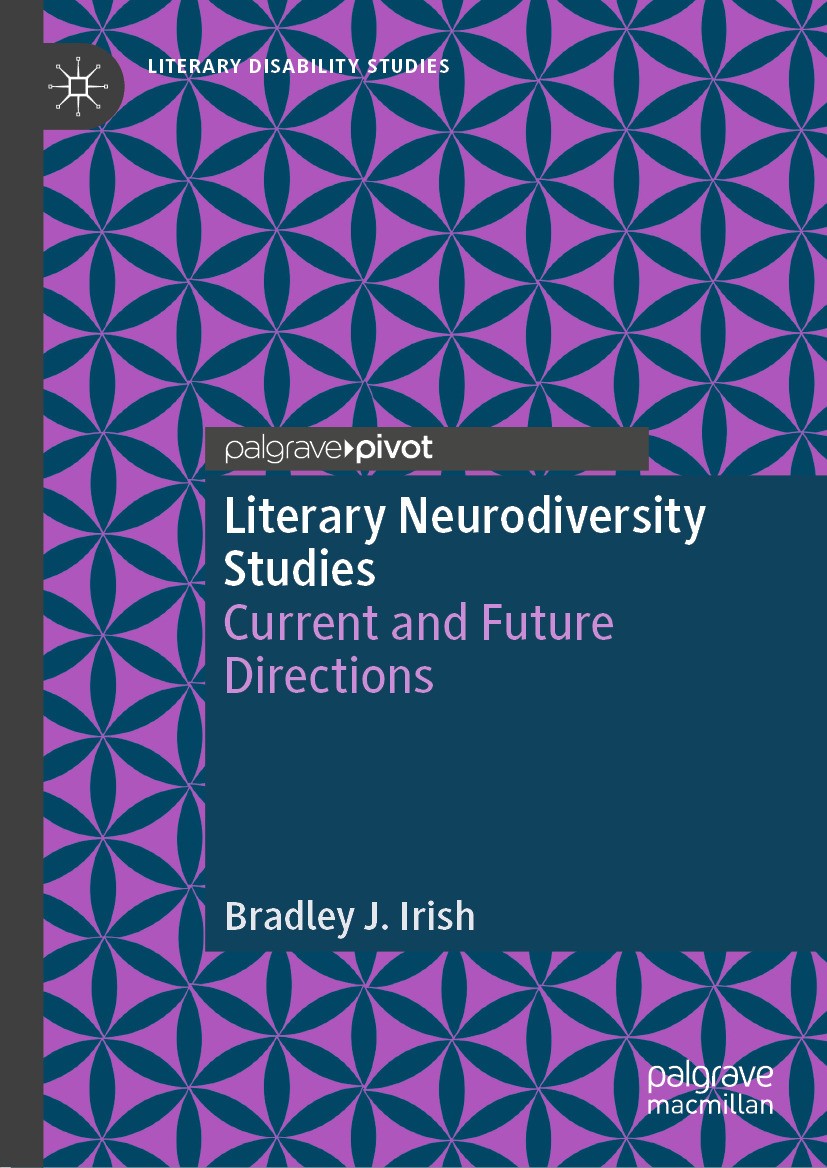
Literary Neurodiversity Studies [electronic resource] : Current and Future Directions / by Bradley J. Irish.
Erişim Adresi
ISBN
9783031806032
Dil Kodu
İngilizce
Yer Numarası
EK/6247
Basım Bildirimi
1st ed. 2025.
Yayın Bilgisi
Cham : Springer Nature Switzerland : Imprint: Palgrave Macmillan, 2025.
Fiziksel Niteleme
IX, 106 p. 1 illus. online resource.
Dizi
Literary Disability Studies, 2947-7417
İçindekiler Notu
Chapter 1: Introduction: What is Neurodiversity? -- Chapter 2: Literary Neurodiversity: The Present -- Chapter 3: Literary Neurodiversity: A Future? -- Chapter 4: Case Study: Neurodiversity and Neurodivergence in Othello -- Chapter 5: Conclusion: Looking Forward: The Future of Neurodiversity -- Appendix: Bibliography of Literary Neurodiversity Studies.
Özet, vb.
This book is a concise but comprehensive introduction to the field of literary neurodiversity studies, a growing approach to literary criticism that has emerged in the past decade. Its three parts are designed to: 1) introduce readers both to the general concept of neurodiversity and to current outlooks, approaches, and key scholarship from literary neurodiversity studies; 2) to present one possible vision of the future of literary neurodiversity studies, by offering an argument about how the field might further entwine with more general research on literary cognition, literary emotion, and literary sensation; and 3) to model for readers how one might perform a neurological reading of a literary text, by offering a sustained analysis of Shakespeare’s Othello. It also contains an extensive bibliography of existing scholarship from literary neurodiversity studies, which will provide an indispensable resource for new and experienced researchers in the field. Bradley J. Irish is an associate professor of English at Arizona State University, Tempe, USA, where he focuses on the literary and cultural history of Renaissance emotion and, more recently, early modern neurodiversity studies. He is the author of Emotion and the Tudor Court: Literature, History, and Early Modern Feeling (2018), Shakespeare and Disgust: The History and Science of Early Modern Revulsion (2023), The Universality of Emotion: Perspectives from the Sciences and Humanities (2024), and The Rivalrous Renaissance: Envy and Jealousy in Early Modern English Literature (2025), and the co-editor of Positive Emotions in Early Modern Literature and Culture (2021), The Routledge Companion to Literature and Emotion (2022), and the forthcoming Neurodiversity in Early Modern English Literature. He is an internationally recognized expert on early modern emotion and is becoming an important contributor to the development of early modern neurodiversity studies.
Konu
Literature __ History and criticism.
Literature __ Philosophy.
European literature __ Renaissance, 1450-1600.
People with disabilities __ Education.
Literary Criticism.
Literary Theory.
Early Modern and Renaissance Literature.
Education and Disability.
Literature __ Philosophy.
European literature __ Renaissance, 1450-1600.
People with disabilities __ Education.
Literary Criticism.
Literary Theory.
Early Modern and Renaissance Literature.
Education and Disability.
Kurum Adı

Eseri Alıntıla
Referansları kullanmadan önce gözden geçirmeniz ve varsa gerekli düzeltmeleri yapmanız önerilir.
Dijital Kaynak
MARC Görünümü
LEADER 05484nam a22006495i 4500
001 843046
003 TR_AnAIT
005 20260715032030
007 cr nn 008mamaa
008 250201s2025 sz | s |||| 0|eng d
020 |a9783031806032|9978-3-031-80603-2
024 7 |a10.1007/978-3-031-80603-2|2doi
041 |aeng
049 |aTürk Dil Kurumu Kütüphanesi
050 4|aPN80-99
072 7|aDS|2bicssc
072 7|aLIT000000|2bisacsh
072 7|aDS|2thema
082 04|a801.95|223
090 |aEK/6247
100 1 |aIrish, Bradley J.|eauthor.|0(orcid)0000-0002-8021-6359|1https://orcid.org/0000-0002-8021-6359|4aut|4http://id.loc.gov/vocabulary/relators/aut
245 10|aLiterary Neurodiversity Studies|h[electronic resource] :|bCurrent and Future Directions /|cby Bradley J. Irish.
250 |a1st ed. 2025.
264 1|aCham :|bSpringer Nature Switzerland :|bImprint: Palgrave Macmillan,|c2025.
300 |aIX, 106 p. 1 illus.|bonline resource.
336 |atext|btxt|2rdacontent
337 |acomputer|bc|2rdamedia
338 |aonline resource|bcr|2rdacarrier
341 0 |bTable of contents navigation|2onix
341 0 |bSingle logical reading order|2onix
341 0 |bUse of color is not sole means of conveying information|2onix
341 0 |bUse of high contrast between text and background color|2onix
341 0 |bNext / Previous structural navigation|2onix
341 0 |bAll non-decorative content supports reading without sight|2onix
347 |atext file|bPDF|2rda
490 1 |aLiterary Disability Studies,|x2947-7417
505 0 |aChapter 1: Introduction: What is Neurodiversity? -- Chapter 2: Literary Neurodiversity: The Present -- Chapter 3: Literary Neurodiversity: A Future? -- Chapter 4: Case Study: Neurodiversity and Neurodivergence in Othello -- Chapter 5: Conclusion: Looking Forward: The Future of Neurodiversity -- Appendix: Bibliography of Literary Neurodiversity Studies.
520 |aThis book is a concise but comprehensive introduction to the field of literary neurodiversity studies, a growing approach to literary criticism that has emerged in the past decade. Its three parts are designed to: 1) introduce readers both to the general concept of neurodiversity and to current outlooks, approaches, and key scholarship from literary neurodiversity studies; 2) to present one possible vision of the future of literary neurodiversity studies, by offering an argument about how the field might further entwine with more general research on literary cognition, literary emotion, and literary sensation; and 3) to model for readers how one might perform a neurological reading of a literary text, by offering a sustained analysis of Shakespeare’s Othello. It also contains an extensive bibliography of existing scholarship from literary neurodiversity studies, which will provide an indispensable resource for new and experienced researchers in the field. Bradley J. Irish is an associate professor of English at Arizona State University, Tempe, USA, where he focuses on the literary and cultural history of Renaissance emotion and, more recently, early modern neurodiversity studies. He is the author of Emotion and the Tudor Court: Literature, History, and Early Modern Feeling (2018), Shakespeare and Disgust: The History and Science of Early Modern Revulsion (2023), The Universality of Emotion: Perspectives from the Sciences and Humanities (2024), and The Rivalrous Renaissance: Envy and Jealousy in Early Modern English Literature (2025), and the co-editor of Positive Emotions in Early Modern Literature and Culture (2021), The Routledge Companion to Literature and Emotion (2022), and the forthcoming Neurodiversity in Early Modern English Literature. He is an internationally recognized expert on early modern emotion and is becoming an important contributor to the development of early modern neurodiversity studies.
532 8 |aAccessibility summary: This PDF does not fully comply with PDF/UA standards, but does feature limited screen reader support, bookmarks for easy navigation and searchable, selectable text. Users of assistive technologies may experience difficulty navigating or interpreting content in this document. We recognize the importance of accessibility, and we welcome queries about accessibility for any of our products. If you have a question or an access need, please get in touch with us at accessibilitysupport@springernature.com.
532 8 |aNo reading system accessibility options actively disabled
532 8 |aPublisher contact for further accessibility information: accessibilitysupport@springernature.com
650 0|aLiterature|xHistory and criticism.
650 0|aLiterature|xPhilosophy.
650 0|aEuropean literature|xRenaissance, 1450-1600.
650 0|aPeople with disabilities|xEducation.
650 14|aLiterary Criticism.
650 24|aLiterary Theory.
650 24|aEarly Modern and Renaissance Literature.
650 24|aEducation and Disability.
710 2 |aSpringerLink (Online service)
773 0 |tSpringer Nature eBook
776 08|iPrinted edition:|z9783031806025
776 08|iPrinted edition:|z9783031806049
776 08|iPrinted edition:|z9783031806056
830 0|aLiterary Disability Studies,|x2947-7417
856 40|uhttps://doi.org/10.1007/978-3-031-80603-2
912 |aZDB-2-LCM
912 |aZDB-2-SXL
950 |aLiterature, Cultural and Media Studies (SpringerNature-41173)
950 |aLiterature, Cultural and Media Studies (R0) (SpringerNature-43723)
001 843046
003 TR_AnAIT
005 20260715032030
007 cr nn 008mamaa
008 250201s2025 sz | s |||| 0|eng d
020 |a9783031806032|9978-3-031-80603-2
024 7 |a10.1007/978-3-031-80603-2|2doi
041 |aeng
049 |aTürk Dil Kurumu Kütüphanesi
050 4|aPN80-99
072 7|aDS|2bicssc
072 7|aLIT000000|2bisacsh
072 7|aDS|2thema
082 04|a801.95|223
090 |aEK/6247
100 1 |aIrish, Bradley J.|eauthor.|0(orcid)0000-0002-8021-6359|1https://orcid.org/0000-0002-8021-6359|4aut|4http://id.loc.gov/vocabulary/relators/aut
245 10|aLiterary Neurodiversity Studies|h[electronic resource] :|bCurrent and Future Directions /|cby Bradley J. Irish.
250 |a1st ed. 2025.
264 1|aCham :|bSpringer Nature Switzerland :|bImprint: Palgrave Macmillan,|c2025.
300 |aIX, 106 p. 1 illus.|bonline resource.
336 |atext|btxt|2rdacontent
337 |acomputer|bc|2rdamedia
338 |aonline resource|bcr|2rdacarrier
341 0 |bTable of contents navigation|2onix
341 0 |bSingle logical reading order|2onix
341 0 |bUse of color is not sole means of conveying information|2onix
341 0 |bUse of high contrast between text and background color|2onix
341 0 |bNext / Previous structural navigation|2onix
341 0 |bAll non-decorative content supports reading without sight|2onix
347 |atext file|bPDF|2rda
490 1 |aLiterary Disability Studies,|x2947-7417
505 0 |aChapter 1: Introduction: What is Neurodiversity? -- Chapter 2: Literary Neurodiversity: The Present -- Chapter 3: Literary Neurodiversity: A Future? -- Chapter 4: Case Study: Neurodiversity and Neurodivergence in Othello -- Chapter 5: Conclusion: Looking Forward: The Future of Neurodiversity -- Appendix: Bibliography of Literary Neurodiversity Studies.
520 |aThis book is a concise but comprehensive introduction to the field of literary neurodiversity studies, a growing approach to literary criticism that has emerged in the past decade. Its three parts are designed to: 1) introduce readers both to the general concept of neurodiversity and to current outlooks, approaches, and key scholarship from literary neurodiversity studies; 2) to present one possible vision of the future of literary neurodiversity studies, by offering an argument about how the field might further entwine with more general research on literary cognition, literary emotion, and literary sensation; and 3) to model for readers how one might perform a neurological reading of a literary text, by offering a sustained analysis of Shakespeare’s Othello. It also contains an extensive bibliography of existing scholarship from literary neurodiversity studies, which will provide an indispensable resource for new and experienced researchers in the field. Bradley J. Irish is an associate professor of English at Arizona State University, Tempe, USA, where he focuses on the literary and cultural history of Renaissance emotion and, more recently, early modern neurodiversity studies. He is the author of Emotion and the Tudor Court: Literature, History, and Early Modern Feeling (2018), Shakespeare and Disgust: The History and Science of Early Modern Revulsion (2023), The Universality of Emotion: Perspectives from the Sciences and Humanities (2024), and The Rivalrous Renaissance: Envy and Jealousy in Early Modern English Literature (2025), and the co-editor of Positive Emotions in Early Modern Literature and Culture (2021), The Routledge Companion to Literature and Emotion (2022), and the forthcoming Neurodiversity in Early Modern English Literature. He is an internationally recognized expert on early modern emotion and is becoming an important contributor to the development of early modern neurodiversity studies.
532 8 |aAccessibility summary: This PDF does not fully comply with PDF/UA standards, but does feature limited screen reader support, bookmarks for easy navigation and searchable, selectable text. Users of assistive technologies may experience difficulty navigating or interpreting content in this document. We recognize the importance of accessibility, and we welcome queries about accessibility for any of our products. If you have a question or an access need, please get in touch with us at accessibilitysupport@springernature.com.
532 8 |aNo reading system accessibility options actively disabled
532 8 |aPublisher contact for further accessibility information: accessibilitysupport@springernature.com
650 0|aLiterature|xHistory and criticism.
650 0|aLiterature|xPhilosophy.
650 0|aEuropean literature|xRenaissance, 1450-1600.
650 0|aPeople with disabilities|xEducation.
650 14|aLiterary Criticism.
650 24|aLiterary Theory.
650 24|aEarly Modern and Renaissance Literature.
650 24|aEducation and Disability.
710 2 |aSpringerLink (Online service)
773 0 |tSpringer Nature eBook
776 08|iPrinted edition:|z9783031806025
776 08|iPrinted edition:|z9783031806049
776 08|iPrinted edition:|z9783031806056
830 0|aLiterary Disability Studies,|x2947-7417
856 40|uhttps://doi.org/10.1007/978-3-031-80603-2
912 |aZDB-2-LCM
912 |aZDB-2-SXL
950 |aLiterature, Cultural and Media Studies (SpringerNature-41173)
950 |aLiterature, Cultural and Media Studies (R0) (SpringerNature-43723)
Materyaller
Depodan talep edilen materyal sadece kütüphane içerisinde kullanılmaktadır.
Materyal dışarıya ödünç verilmemektedir.
