

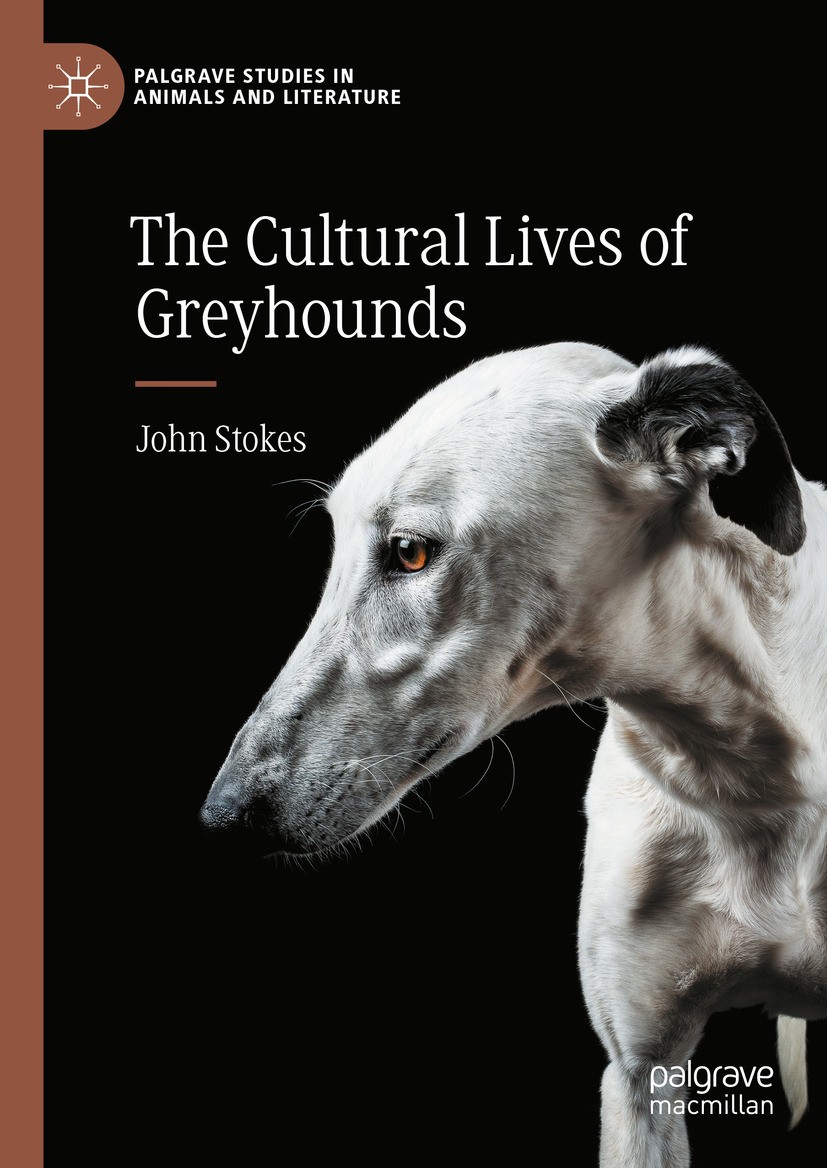
The Cultural Lives of Greyhounds [electronic resource] / by John Stokes.
Erişim Adresi
ISBN
9783031789953
Dil Kodu
İngilizce
Yer Numarası
EK/3781
Yazar
Basım Bildirimi
1st ed. 2025.
Yayın Bilgisi
Cham : Springer Nature Switzerland : Imprint: Palgrave Macmillan, 2025.
Fiziksel Niteleme
XIX, 348 p. 39 illus. in color. online resource.
Dizi
Palgrave Studies in Animals and Literature, 2634-6346
İçindekiler Notu
1. Introduction: Ghost Dogs -- 2. Wind Hound: greyhound as metaphor -- 3. Daphne’s Dog (Metamorphosis 1) -- 4. Diana’s Hounds (Metamorphosis 2) -- 5. Edge of the Wood: Uccello’s ‘The Hunt in the Forest’ -- 6. Fleeting Thoughts: the language of coursing -- 7. ‘Hector’s a Greyhound’: Shakespeare’s favourite dog -- 8. ‘All that leaps and runs’: Romantic pursuits -- 9. Chiens d’utilité/ Chiens de luxe: the changing status of le lévrier -- 10. ‘Le lévrier, c’est moi’: identity and the modern dog -- 11. The Long Dogs go to War: conflict as sport -- 12. ‘Un facio di frecce’: D’Annunzio’s decadent pack -- 13. Coursing Costumes and Deco Dianas -- 14. Cuchulain’s Breed: legends of the Celtic hound -- 15. ‘Ascot it wasn’t’: victors and victims of the Irish track -- 16. Born to Lose: comic results -- 17. The Last Cockney: London says farewell -- 18. ‘Gelert’s dying yell’: saviour and survivor.
Özet, vb.
This book aims to enhance our intellectual understanding of the relationship between human beings and domestic animals, with a focus on a specific breed of dog: the greyhound. It combines literary criticism, cultural history and the rapidly expanding field of human/animal studies by tracing the creative representation of the greyhound, from the earliest references in classical myth to multiple appearances in contemporary literature, performance and the fine arts. Each representation—whether of hunter or racer, of pet or predator—is treated not simply as a stage in some inevitable humanitarian progression but as part of a series of co-evolutionary exchanges between humans and their canine collaborators that together constitute a shared experience. Writers who have been fascinated by greyhounds range from Shakespeare to Dryden, from William Wordsworth to George Meredith, from Marcel Proust to Colette, from William Butler Yeats to Ted Hughes and beyond. The haunting image of the breed has inspired artists such as Dürer, Hogarth and Giacometti. John Stokes is Emeritus Professor of Modern British Literature in the Department of English at King's College London, UK. His publications include In the Nineties (1990), Oscar Wilde: Myths, Miracles and Imitations (1996) and The French Actress and her English Audience (2005), as well as numerous academic articles and reviews. He co-edited The Cambridge Companion to the Actress (2007) and two volumes of journalism for The Complete Works of Oscar Wilde (2013). He is a regular reviewer for the Times Literary Supplement.
Konu
Interpretation, Literary.
Education in literature.
Ecocriticism.
Art __ History.
Literary Interpretation.
Literature and Pedagogy.
Ecocriticism.
Art History.
Education in literature.
Ecocriticism.
Art __ History.
Literary Interpretation.
Literature and Pedagogy.
Ecocriticism.
Art History.
Kurum Adı
Eseri Alıntıla
Referansları kullanmadan önce gözden geçirmeniz ve varsa gerekli düzeltmeleri yapmanız önerilir.
Dijital Kaynak
MARC Görünümü
LEADER 05674nam a22006615i 4500
001 843048
003 TR_AnAIT
005 20260715032032
007 cr nn 008mamaa
008 250207s2025 sz | s |||| 0|eng d
020 |a9783031789953|9978-3-031-78995-3
024 7 |a10.1007/978-3-031-78995-3|2doi
041 |aeng
049 |aTürk Dil Kurumu Kütüphanesi
050 4|aPN80-99
072 7|aDSB|2bicssc
072 7|aLIT000000|2bisacsh
072 7|aDSB|2thema
082 04|a801.95|223
090 |aEK/3781
100 1 |aStokes, John.|eauthor.|4aut|4http://id.loc.gov/vocabulary/relators/aut
245 14|aThe Cultural Lives of Greyhounds|h[electronic resource] /|cby John Stokes.
250 |a1st ed. 2025.
264 1|aCham :|bSpringer Nature Switzerland :|bImprint: Palgrave Macmillan,|c2025.
300 |aXIX, 348 p. 39 illus. in color.|bonline resource.
336 |atext|btxt|2rdacontent
337 |acomputer|bc|2rdamedia
338 |aonline resource|bcr|2rdacarrier
341 0 |bTable of contents navigation|2onix
341 0 |bSingle logical reading order|2onix
341 0 |bShort alternative textual descriptions|2onix
341 0 |bUse of color is not sole means of conveying information|2onix
341 0 |bUse of high contrast between text and background color|2onix
341 0 |bNext / Previous structural navigation|2onix
341 0 |bAll non-decorative content supports reading without sight|2onix
347 |atext file|bPDF|2rda
490 1 |aPalgrave Studies in Animals and Literature,|x2634-6346
505 0 |a1. Introduction: Ghost Dogs -- 2. Wind Hound: greyhound as metaphor -- 3. Daphne’s Dog (Metamorphosis 1) -- 4. Diana’s Hounds (Metamorphosis 2) -- 5. Edge of the Wood: Uccello’s ‘The Hunt in the Forest’ -- 6. Fleeting Thoughts: the language of coursing -- 7. ‘Hector’s a Greyhound’: Shakespeare’s favourite dog -- 8. ‘All that leaps and runs’: Romantic pursuits -- 9. Chiens d’utilité/ Chiens de luxe: the changing status of le lévrier -- 10. ‘Le lévrier, c’est moi’: identity and the modern dog -- 11. The Long Dogs go to War: conflict as sport -- 12. ‘Un facio di frecce’: D’Annunzio’s decadent pack -- 13. Coursing Costumes and Deco Dianas -- 14. Cuchulain’s Breed: legends of the Celtic hound -- 15. ‘Ascot it wasn’t’: victors and victims of the Irish track -- 16. Born to Lose: comic results -- 17. The Last Cockney: London says farewell -- 18. ‘Gelert’s dying yell’: saviour and survivor.
520 |aThis book aims to enhance our intellectual understanding of the relationship between human beings and domestic animals, with a focus on a specific breed of dog: the greyhound. It combines literary criticism, cultural history and the rapidly expanding field of human/animal studies by tracing the creative representation of the greyhound, from the earliest references in classical myth to multiple appearances in contemporary literature, performance and the fine arts. Each representation—whether of hunter or racer, of pet or predator—is treated not simply as a stage in some inevitable humanitarian progression but as part of a series of co-evolutionary exchanges between humans and their canine collaborators that together constitute a shared experience. Writers who have been fascinated by greyhounds range from Shakespeare to Dryden, from William Wordsworth to George Meredith, from Marcel Proust to Colette, from William Butler Yeats to Ted Hughes and beyond. The haunting image of the breed has inspired artists such as Dürer, Hogarth and Giacometti. John Stokes is Emeritus Professor of Modern British Literature in the Department of English at King's College London, UK. His publications include In the Nineties (1990), Oscar Wilde: Myths, Miracles and Imitations (1996) and The French Actress and her English Audience (2005), as well as numerous academic articles and reviews. He co-edited The Cambridge Companion to the Actress (2007) and two volumes of journalism for The Complete Works of Oscar Wilde (2013). He is a regular reviewer for the Times Literary Supplement.
532 8 |aAccessibility summary: This PDF does not fully comply with PDF/UA standards, but does feature limited screen reader support, described non-text content (images, graphs), bookmarks for easy navigation and searchable, selectable text. Users of assistive technologies may experience difficulty navigating or interpreting content in this document. We recognize the importance of accessibility, and we welcome queries about accessibility for any of our products. If you have a question or an access need, please get in touch with us at accessibilitysupport@springernature.com.
532 8 |aNo reading system accessibility options actively disabled
532 8 |aPublisher contact for further accessibility information: accessibilitysupport@springernature.com
650 0|aInterpretation, Literary.
650 0|aEducation in literature.
650 0|aEcocriticism.
650 0|aArt|xHistory.
650 14|aLiterary Interpretation.
650 24|aLiterature and Pedagogy.
650 24|aEcocriticism.
650 24|aArt History.
710 2 |aSpringerLink (Online service)
773 0 |tSpringer Nature eBook
776 08|iPrinted edition:|z9783031789946
776 08|iPrinted edition:|z9783031789960
776 08|iPrinted edition:|z9783031789977
830 0|aPalgrave Studies in Animals and Literature,|x2634-6346
856 40|uhttps://doi.org/10.1007/978-3-031-78995-3
912 |aZDB-2-LCM
912 |aZDB-2-SXL
950 |aLiterature, Cultural and Media Studies (SpringerNature-41173)
950 |aLiterature, Cultural and Media Studies (R0) (SpringerNature-43723)
001 843048
003 TR_AnAIT
005 20260715032032
007 cr nn 008mamaa
008 250207s2025 sz | s |||| 0|eng d
020 |a9783031789953|9978-3-031-78995-3
024 7 |a10.1007/978-3-031-78995-3|2doi
041 |aeng
049 |aTürk Dil Kurumu Kütüphanesi
050 4|aPN80-99
072 7|aDSB|2bicssc
072 7|aLIT000000|2bisacsh
072 7|aDSB|2thema
082 04|a801.95|223
090 |aEK/3781
100 1 |aStokes, John.|eauthor.|4aut|4http://id.loc.gov/vocabulary/relators/aut
245 14|aThe Cultural Lives of Greyhounds|h[electronic resource] /|cby John Stokes.
250 |a1st ed. 2025.
264 1|aCham :|bSpringer Nature Switzerland :|bImprint: Palgrave Macmillan,|c2025.
300 |aXIX, 348 p. 39 illus. in color.|bonline resource.
336 |atext|btxt|2rdacontent
337 |acomputer|bc|2rdamedia
338 |aonline resource|bcr|2rdacarrier
341 0 |bTable of contents navigation|2onix
341 0 |bSingle logical reading order|2onix
341 0 |bShort alternative textual descriptions|2onix
341 0 |bUse of color is not sole means of conveying information|2onix
341 0 |bUse of high contrast between text and background color|2onix
341 0 |bNext / Previous structural navigation|2onix
341 0 |bAll non-decorative content supports reading without sight|2onix
347 |atext file|bPDF|2rda
490 1 |aPalgrave Studies in Animals and Literature,|x2634-6346
505 0 |a1. Introduction: Ghost Dogs -- 2. Wind Hound: greyhound as metaphor -- 3. Daphne’s Dog (Metamorphosis 1) -- 4. Diana’s Hounds (Metamorphosis 2) -- 5. Edge of the Wood: Uccello’s ‘The Hunt in the Forest’ -- 6. Fleeting Thoughts: the language of coursing -- 7. ‘Hector’s a Greyhound’: Shakespeare’s favourite dog -- 8. ‘All that leaps and runs’: Romantic pursuits -- 9. Chiens d’utilité/ Chiens de luxe: the changing status of le lévrier -- 10. ‘Le lévrier, c’est moi’: identity and the modern dog -- 11. The Long Dogs go to War: conflict as sport -- 12. ‘Un facio di frecce’: D’Annunzio’s decadent pack -- 13. Coursing Costumes and Deco Dianas -- 14. Cuchulain’s Breed: legends of the Celtic hound -- 15. ‘Ascot it wasn’t’: victors and victims of the Irish track -- 16. Born to Lose: comic results -- 17. The Last Cockney: London says farewell -- 18. ‘Gelert’s dying yell’: saviour and survivor.
520 |aThis book aims to enhance our intellectual understanding of the relationship between human beings and domestic animals, with a focus on a specific breed of dog: the greyhound. It combines literary criticism, cultural history and the rapidly expanding field of human/animal studies by tracing the creative representation of the greyhound, from the earliest references in classical myth to multiple appearances in contemporary literature, performance and the fine arts. Each representation—whether of hunter or racer, of pet or predator—is treated not simply as a stage in some inevitable humanitarian progression but as part of a series of co-evolutionary exchanges between humans and their canine collaborators that together constitute a shared experience. Writers who have been fascinated by greyhounds range from Shakespeare to Dryden, from William Wordsworth to George Meredith, from Marcel Proust to Colette, from William Butler Yeats to Ted Hughes and beyond. The haunting image of the breed has inspired artists such as Dürer, Hogarth and Giacometti. John Stokes is Emeritus Professor of Modern British Literature in the Department of English at King's College London, UK. His publications include In the Nineties (1990), Oscar Wilde: Myths, Miracles and Imitations (1996) and The French Actress and her English Audience (2005), as well as numerous academic articles and reviews. He co-edited The Cambridge Companion to the Actress (2007) and two volumes of journalism for The Complete Works of Oscar Wilde (2013). He is a regular reviewer for the Times Literary Supplement.
532 8 |aAccessibility summary: This PDF does not fully comply with PDF/UA standards, but does feature limited screen reader support, described non-text content (images, graphs), bookmarks for easy navigation and searchable, selectable text. Users of assistive technologies may experience difficulty navigating or interpreting content in this document. We recognize the importance of accessibility, and we welcome queries about accessibility for any of our products. If you have a question or an access need, please get in touch with us at accessibilitysupport@springernature.com.
532 8 |aNo reading system accessibility options actively disabled
532 8 |aPublisher contact for further accessibility information: accessibilitysupport@springernature.com
650 0|aInterpretation, Literary.
650 0|aEducation in literature.
650 0|aEcocriticism.
650 0|aArt|xHistory.
650 14|aLiterary Interpretation.
650 24|aLiterature and Pedagogy.
650 24|aEcocriticism.
650 24|aArt History.
710 2 |aSpringerLink (Online service)
773 0 |tSpringer Nature eBook
776 08|iPrinted edition:|z9783031789946
776 08|iPrinted edition:|z9783031789960
776 08|iPrinted edition:|z9783031789977
830 0|aPalgrave Studies in Animals and Literature,|x2634-6346
856 40|uhttps://doi.org/10.1007/978-3-031-78995-3
912 |aZDB-2-LCM
912 |aZDB-2-SXL
950 |aLiterature, Cultural and Media Studies (SpringerNature-41173)
950 |aLiterature, Cultural and Media Studies (R0) (SpringerNature-43723)
Materyaller
Depodan talep edilen materyal sadece kütüphane içerisinde kullanılmaktadır.
Materyal dışarıya ödünç verilmemektedir.
Materyal dışarıya ödünç verilmemektedir.
