

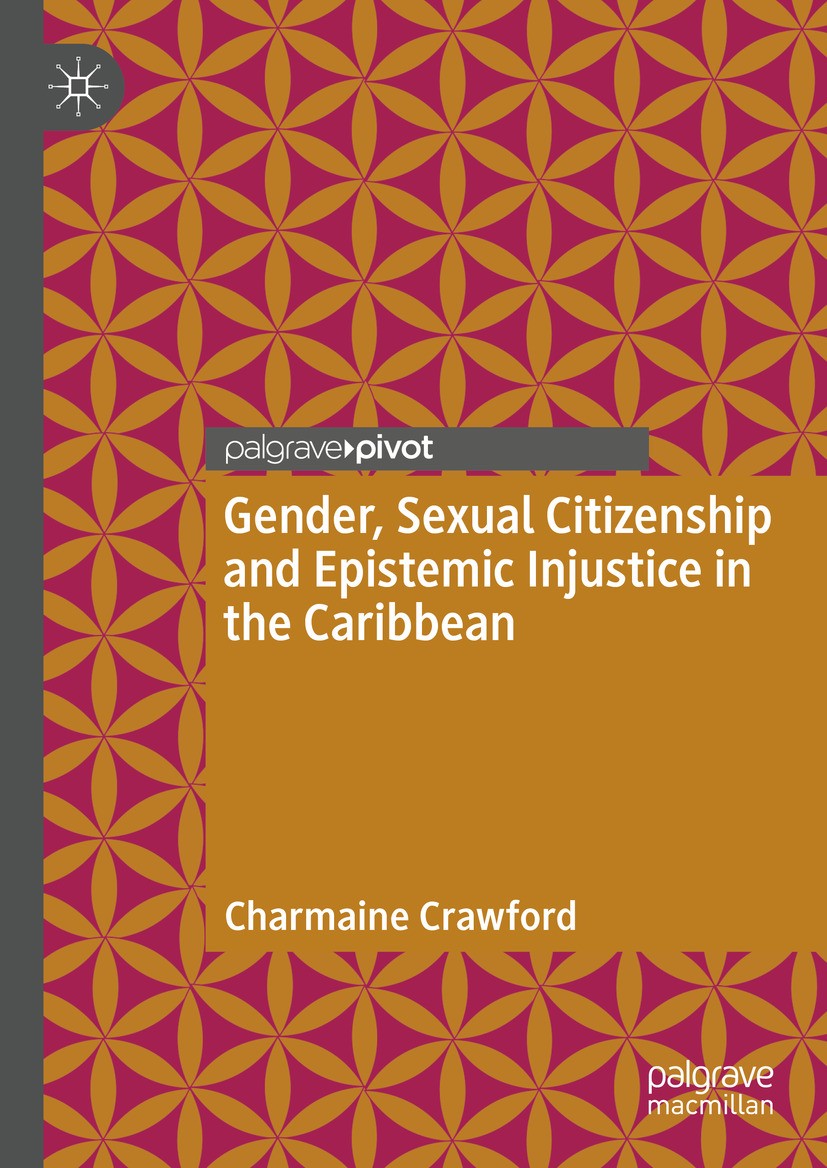
Gender, Sexual Citizenship and Epistemic Injustice in the Caribbean [electronic resource] / by Charmaine Crawford.
Erişim Adresi
ISBN
9783031834936
Dil Kodu
İngilizce
Yer Numarası
EK/6294
Yazar
Basım Bildirimi
1st ed. 2025.
Yayın Bilgisi
Cham : Springer Nature Switzerland : Imprint: Palgrave Pivot, 2025.
Fiziksel Niteleme
XI, 149 p. online resource.
İçindekiler Notu
Chapter 1. Introduction -- Chapter 2. Sexual Citizenship and the Politics of Exclusion -- Chapter 3. Epistemic Injustice, Social Inequality and LGBTQ Realities -- Chapter 4. The Precarity of Sexual Citizenship: Hermeneutical Injustice, the Law and LGBTQ Rights -- Chapter 5. “It’s a Girl Thing” Problematizing Female Sexuality, Gender, and Lesbophobia in Caribbean Culture -- Chapter 6. Decolonising and Queering Caribbean Families.
Özet, vb.
This book interrogates the relationship between gender, sexual citizenship and epistemic injustice as it relates to the experiences of LGBTQ persons in the Commonwealth Caribbean. Whether it is the recognition of gender/sexual identities, sexual freedom, bodily autonomy, marriage or creating a family, sexual citizenship encompasses different aspects of our intimate lives that have erotic, social, and economic value that are organised and legitimised through the family, religion, law, state, family, and civil society. Employing decolonial feminist queer perspectives, this book considers how race, gender, and sexuality intersect through matrices of power in shaping intimate life in giving more rights and freedoms to some over others. While Caribbean sexualities are rich and diverse, there still exists dominant colonial and post-colonial heteropatriarchal ideologies and practices that infringe on the sexual rights of Caribbean LGBTQ persons normalising discriminatory treatment (homophobia, lesbophobia and transphobia) against them. Despite efforts to silence Caribbean LGBTQ persons, they have politicised their cause by engaging in epistemic resistance. Caribbean LGBTQ activism encompasses a myriad of social justice efforts, incorporating intersectional politics with feminists and other groups, which validate queer identities, knowledges and lives in the region and diaspora. This book showcases how Caribbean LGBTQ activists are using strategic litigation anchored in social justice hermeneutics to upend vagrancy and anti-buggery laws, which has led to successful decriminalisation cases in the region. This book will interest researchers and students in women’s, gender, and sexuality studies and Caribbean studies. Charmaine Crawford, PhD is an associate professor in Africana Studies at Kent State University, USA. She specializes in gender and sexuality in the African Diaspora and Caribbean women, domestic work and transnational motherhood. Dr Crawford formerly taught at the Institute of Gender and Development Studies: Nita Barrow Unit at The University of the West Indies, Cave Hill, Barbados. Dr Crawford is the author of Unbearable Knowledge: Sexual Citizenship, Homophobia and the Taxonomy of Ignorance in the Caribbean, and Decolonizing Reproductive Labour: Caribbean Women, Migration and Domestic Work in the Global Economy. .
Konu
Sex.
Social structure.
Equality.
Biotechnology.
Queer theory.
Gender Studies.
Social Structure.
Biotechnology.
Queer Studies.
Social structure.
Equality.
Biotechnology.
Queer theory.
Gender Studies.
Social Structure.
Biotechnology.
Queer Studies.
Kurum Adı
Eseri Alıntıla
Referansları kullanmadan önce gözden geçirmeniz ve varsa gerekli düzeltmeleri yapmanız önerilir.
Dijital Kaynak
MARC Görünümü
LEADER 05704nam a22006375i 4500
001 843137
003 TR_AnAIT
005 20260715032536
007 cr nn 008mamaa
008 250319s2025 sz | s |||| 0|eng d
020 |a9783031834936|9978-3-031-83493-6
024 7 |a10.1007/978-3-031-83493-6|2doi
041 |aeng
049 |aTürk Dil Kurumu Kütüphanesi
050 4|aHQ12-449
072 7|aJFSJ|2bicssc
072 7|aSOC032000|2bisacsh
072 7|aJBSF|2thema
082 04|a305.3|223
090 |aEK/6294
100 1 |aCrawford, Charmaine.|eauthor.|4aut|4http://id.loc.gov/vocabulary/relators/aut
245 10|aGender, Sexual Citizenship and Epistemic Injustice in the Caribbean|h[electronic resource] /|cby Charmaine Crawford.
250 |a1st ed. 2025.
264 1|aCham :|bSpringer Nature Switzerland :|bImprint: Palgrave Pivot,|c2025.
300 |aXI, 149 p.|bonline resource.
336 |atext|btxt|2rdacontent
337 |acomputer|bc|2rdamedia
338 |aonline resource|bcr|2rdacarrier
341 0 |bTable of contents navigation|2onix
341 0 |bSingle logical reading order|2onix
341 0 |bUse of color is not sole means of conveying information|2onix
341 0 |bUse of high contrast between text and background color|2onix
341 0 |bNext / Previous structural navigation|2onix
341 0 |bAll non-decorative content supports reading without sight|2onix
347 |atext file|bPDF|2rda
505 0 |aChapter 1. Introduction -- Chapter 2. Sexual Citizenship and the Politics of Exclusion -- Chapter 3. Epistemic Injustice, Social Inequality and LGBTQ Realities -- Chapter 4. The Precarity of Sexual Citizenship: Hermeneutical Injustice, the Law and LGBTQ Rights -- Chapter 5. “It’s a Girl Thing” Problematizing Female Sexuality, Gender, and Lesbophobia in Caribbean Culture -- Chapter 6. Decolonising and Queering Caribbean Families.
520 |aThis book interrogates the relationship between gender, sexual citizenship and epistemic injustice as it relates to the experiences of LGBTQ persons in the Commonwealth Caribbean. Whether it is the recognition of gender/sexual identities, sexual freedom, bodily autonomy, marriage or creating a family, sexual citizenship encompasses different aspects of our intimate lives that have erotic, social, and economic value that are organised and legitimised through the family, religion, law, state, family, and civil society. Employing decolonial feminist queer perspectives, this book considers how race, gender, and sexuality intersect through matrices of power in shaping intimate life in giving more rights and freedoms to some over others. While Caribbean sexualities are rich and diverse, there still exists dominant colonial and post-colonial heteropatriarchal ideologies and practices that infringe on the sexual rights of Caribbean LGBTQ persons normalising discriminatory treatment (homophobia, lesbophobia and transphobia) against them. Despite efforts to silence Caribbean LGBTQ persons, they have politicised their cause by engaging in epistemic resistance. Caribbean LGBTQ activism encompasses a myriad of social justice efforts, incorporating intersectional politics with feminists and other groups, which validate queer identities, knowledges and lives in the region and diaspora. This book showcases how Caribbean LGBTQ activists are using strategic litigation anchored in social justice hermeneutics to upend vagrancy and anti-buggery laws, which has led to successful decriminalisation cases in the region. This book will interest researchers and students in women’s, gender, and sexuality studies and Caribbean studies. Charmaine Crawford, PhD is an associate professor in Africana Studies at Kent State University, USA. She specializes in gender and sexuality in the African Diaspora and Caribbean women, domestic work and transnational motherhood. Dr Crawford formerly taught at the Institute of Gender and Development Studies: Nita Barrow Unit at The University of the West Indies, Cave Hill, Barbados. Dr Crawford is the author of Unbearable Knowledge: Sexual Citizenship, Homophobia and the Taxonomy of Ignorance in the Caribbean, and Decolonizing Reproductive Labour: Caribbean Women, Migration and Domestic Work in the Global Economy. .
532 8 |aAccessibility summary: This PDF does not fully comply with PDF/UA standards, but does feature limited screen reader support, bookmarks for easy navigation and searchable, selectable text. Users of assistive technologies may experience difficulty navigating or interpreting content in this document. We recognize the importance of accessibility, and we welcome queries about accessibility for any of our products. If you have a question or an access need, please get in touch with us at accessibilitysupport@springernature.com.
532 8 |aNo reading system accessibility options actively disabled
532 8 |aPublisher contact for further accessibility information: accessibilitysupport@springernature.com
650 0|aSex.
650 0|aSocial structure.
650 0|aEquality.
650 0|aBiotechnology.
650 0|aQueer theory.
650 14|aGender Studies.
650 24|aSocial Structure.
650 24|aBiotechnology.
650 24|aQueer Studies.
710 2 |aSpringerLink (Online service)
773 0 |tSpringer Nature eBook
776 08|iPrinted edition:|z9783031834929
776 08|iPrinted edition:|z9783031834943
776 08|iPrinted edition:|z9783031834950
856 40|uhttps://doi.org/10.1007/978-3-031-83493-6
912 |aZDB-2-LCM
912 |aZDB-2-SXL
950 |aLiterature, Cultural and Media Studies (SpringerNature-41173)
950 |aLiterature, Cultural and Media Studies (R0) (SpringerNature-43723)
001 843137
003 TR_AnAIT
005 20260715032536
007 cr nn 008mamaa
008 250319s2025 sz | s |||| 0|eng d
020 |a9783031834936|9978-3-031-83493-6
024 7 |a10.1007/978-3-031-83493-6|2doi
041 |aeng
049 |aTürk Dil Kurumu Kütüphanesi
050 4|aHQ12-449
072 7|aJFSJ|2bicssc
072 7|aSOC032000|2bisacsh
072 7|aJBSF|2thema
082 04|a305.3|223
090 |aEK/6294
100 1 |aCrawford, Charmaine.|eauthor.|4aut|4http://id.loc.gov/vocabulary/relators/aut
245 10|aGender, Sexual Citizenship and Epistemic Injustice in the Caribbean|h[electronic resource] /|cby Charmaine Crawford.
250 |a1st ed. 2025.
264 1|aCham :|bSpringer Nature Switzerland :|bImprint: Palgrave Pivot,|c2025.
300 |aXI, 149 p.|bonline resource.
336 |atext|btxt|2rdacontent
337 |acomputer|bc|2rdamedia
338 |aonline resource|bcr|2rdacarrier
341 0 |bTable of contents navigation|2onix
341 0 |bSingle logical reading order|2onix
341 0 |bUse of color is not sole means of conveying information|2onix
341 0 |bUse of high contrast between text and background color|2onix
341 0 |bNext / Previous structural navigation|2onix
341 0 |bAll non-decorative content supports reading without sight|2onix
347 |atext file|bPDF|2rda
505 0 |aChapter 1. Introduction -- Chapter 2. Sexual Citizenship and the Politics of Exclusion -- Chapter 3. Epistemic Injustice, Social Inequality and LGBTQ Realities -- Chapter 4. The Precarity of Sexual Citizenship: Hermeneutical Injustice, the Law and LGBTQ Rights -- Chapter 5. “It’s a Girl Thing” Problematizing Female Sexuality, Gender, and Lesbophobia in Caribbean Culture -- Chapter 6. Decolonising and Queering Caribbean Families.
520 |aThis book interrogates the relationship between gender, sexual citizenship and epistemic injustice as it relates to the experiences of LGBTQ persons in the Commonwealth Caribbean. Whether it is the recognition of gender/sexual identities, sexual freedom, bodily autonomy, marriage or creating a family, sexual citizenship encompasses different aspects of our intimate lives that have erotic, social, and economic value that are organised and legitimised through the family, religion, law, state, family, and civil society. Employing decolonial feminist queer perspectives, this book considers how race, gender, and sexuality intersect through matrices of power in shaping intimate life in giving more rights and freedoms to some over others. While Caribbean sexualities are rich and diverse, there still exists dominant colonial and post-colonial heteropatriarchal ideologies and practices that infringe on the sexual rights of Caribbean LGBTQ persons normalising discriminatory treatment (homophobia, lesbophobia and transphobia) against them. Despite efforts to silence Caribbean LGBTQ persons, they have politicised their cause by engaging in epistemic resistance. Caribbean LGBTQ activism encompasses a myriad of social justice efforts, incorporating intersectional politics with feminists and other groups, which validate queer identities, knowledges and lives in the region and diaspora. This book showcases how Caribbean LGBTQ activists are using strategic litigation anchored in social justice hermeneutics to upend vagrancy and anti-buggery laws, which has led to successful decriminalisation cases in the region. This book will interest researchers and students in women’s, gender, and sexuality studies and Caribbean studies. Charmaine Crawford, PhD is an associate professor in Africana Studies at Kent State University, USA. She specializes in gender and sexuality in the African Diaspora and Caribbean women, domestic work and transnational motherhood. Dr Crawford formerly taught at the Institute of Gender and Development Studies: Nita Barrow Unit at The University of the West Indies, Cave Hill, Barbados. Dr Crawford is the author of Unbearable Knowledge: Sexual Citizenship, Homophobia and the Taxonomy of Ignorance in the Caribbean, and Decolonizing Reproductive Labour: Caribbean Women, Migration and Domestic Work in the Global Economy. .
532 8 |aAccessibility summary: This PDF does not fully comply with PDF/UA standards, but does feature limited screen reader support, bookmarks for easy navigation and searchable, selectable text. Users of assistive technologies may experience difficulty navigating or interpreting content in this document. We recognize the importance of accessibility, and we welcome queries about accessibility for any of our products. If you have a question or an access need, please get in touch with us at accessibilitysupport@springernature.com.
532 8 |aNo reading system accessibility options actively disabled
532 8 |aPublisher contact for further accessibility information: accessibilitysupport@springernature.com
650 0|aSex.
650 0|aSocial structure.
650 0|aEquality.
650 0|aBiotechnology.
650 0|aQueer theory.
650 14|aGender Studies.
650 24|aSocial Structure.
650 24|aBiotechnology.
650 24|aQueer Studies.
710 2 |aSpringerLink (Online service)
773 0 |tSpringer Nature eBook
776 08|iPrinted edition:|z9783031834929
776 08|iPrinted edition:|z9783031834943
776 08|iPrinted edition:|z9783031834950
856 40|uhttps://doi.org/10.1007/978-3-031-83493-6
912 |aZDB-2-LCM
912 |aZDB-2-SXL
950 |aLiterature, Cultural and Media Studies (SpringerNature-41173)
950 |aLiterature, Cultural and Media Studies (R0) (SpringerNature-43723)
Materyaller
Depodan talep edilen materyal sadece kütüphane içerisinde kullanılmaktadır.
Materyal dışarıya ödünç verilmemektedir.
Materyal dışarıya ödünç verilmemektedir.
